archaeology
Explore the world of vocabulary through images

archives/ˈɑːrkaɪvz/ /ˈɑːrkɪvz/
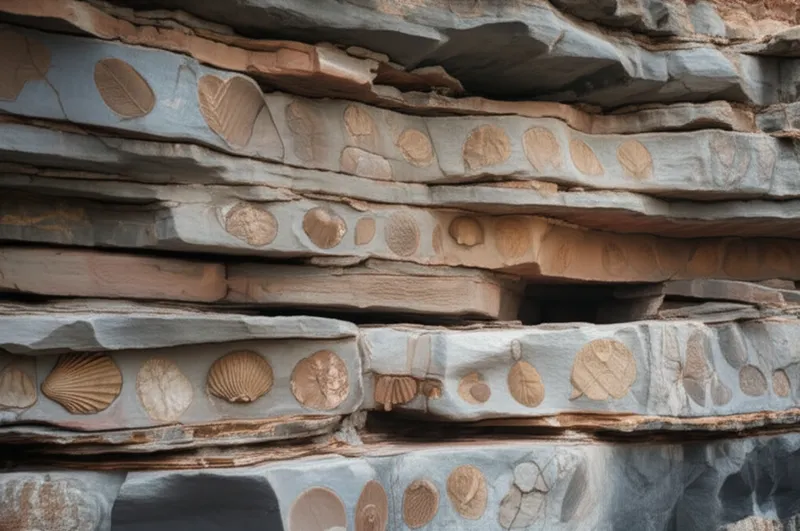
Natural deposits of material, regarded as a record of environmental changes over time.

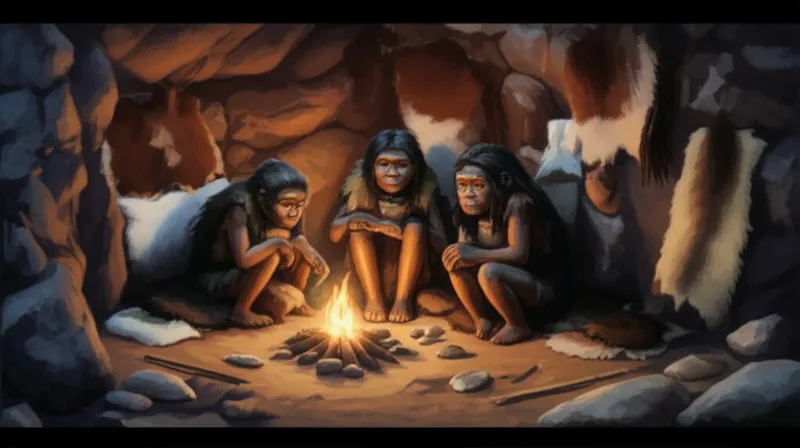
prehistory/ˌpriːˈhɪstəri/ /ˌpriːˈhɪstri/
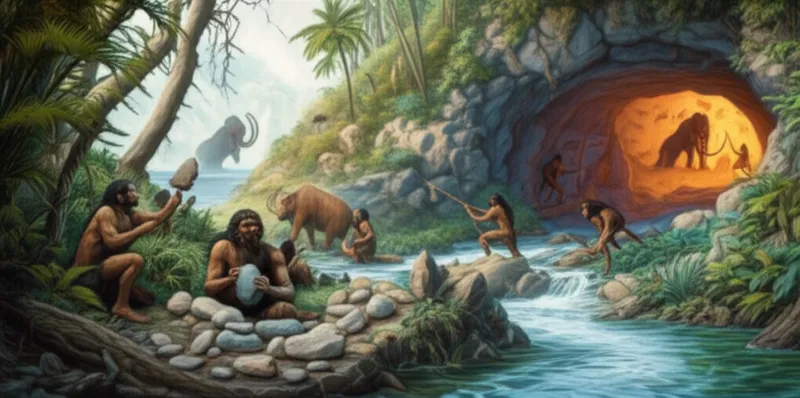
(properly) History before written records, inclusive of both

dowse/daʊs/
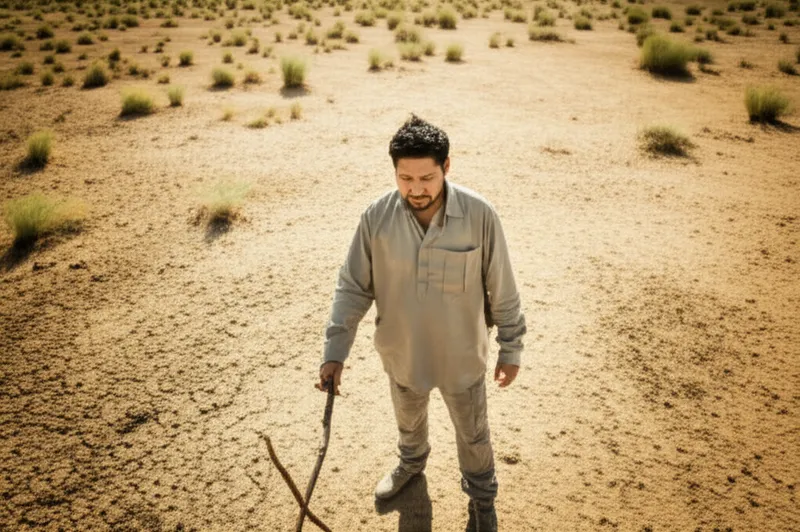
To use the dipping or divining rod, as in search of water, ore, etc.

vici/ˈviːsiː/
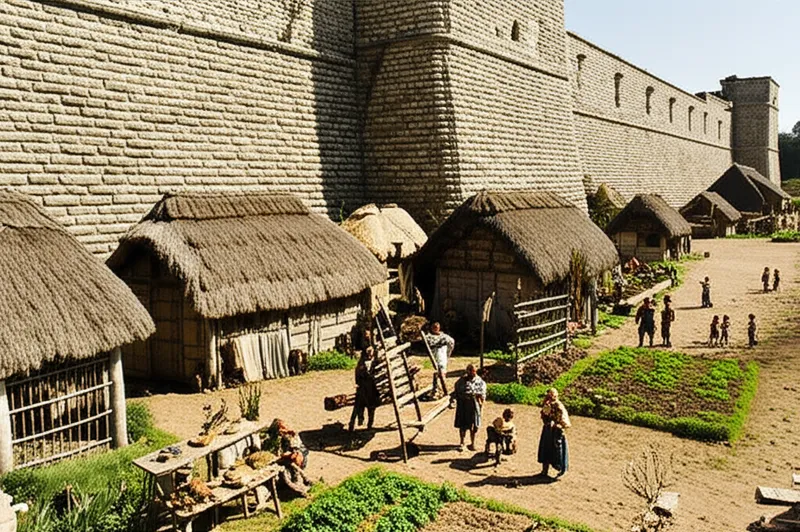
A small civilian settlement outside a Roman fort.

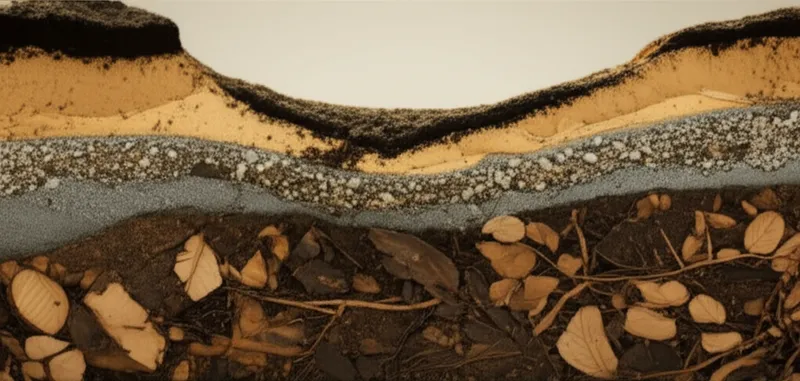
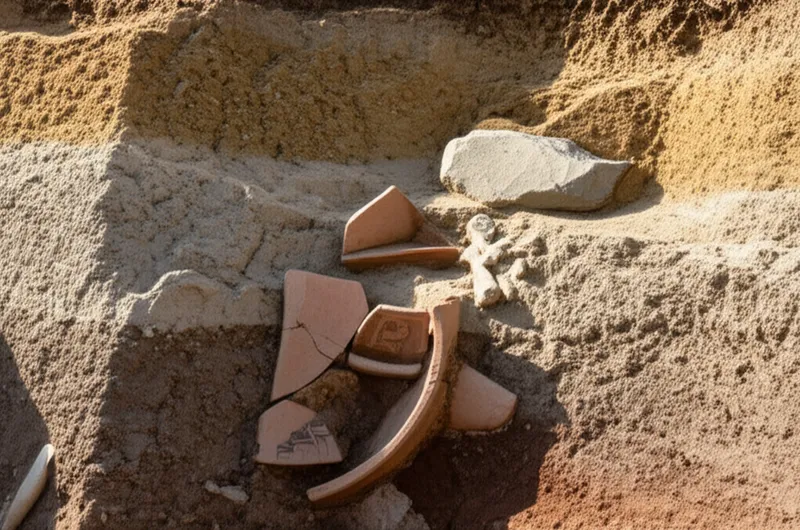
paleosols/ˈpeɪliːoʊˌsɔlz/ /ˈpeɪlioʊˌsɔlz/
A layer of fossil soil buried beneath other sediments or deposits.
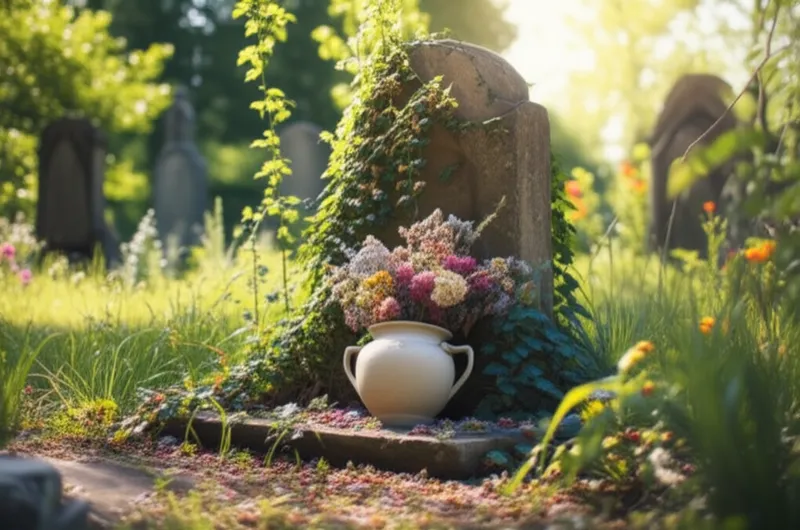
urn/ɜːn/ /ɝn/
Any place of burial; the grave.

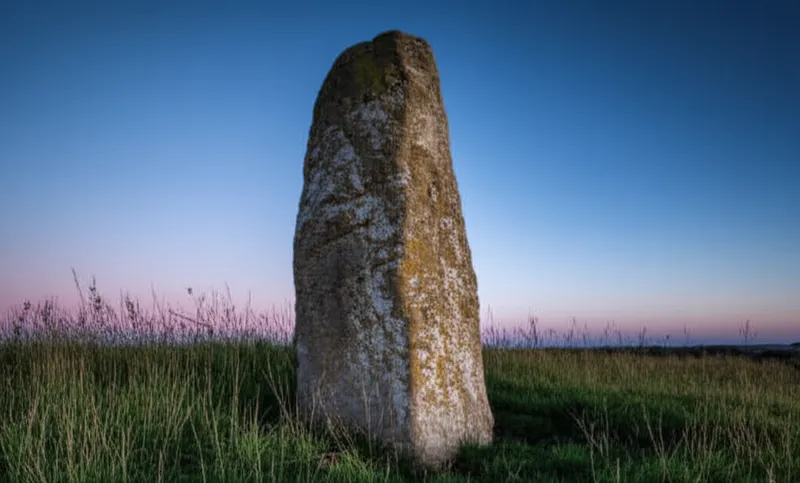
stelae/ˈstiːli/
An obelisk or upright stone pillar, usually as a primitive commemoration or gravestone

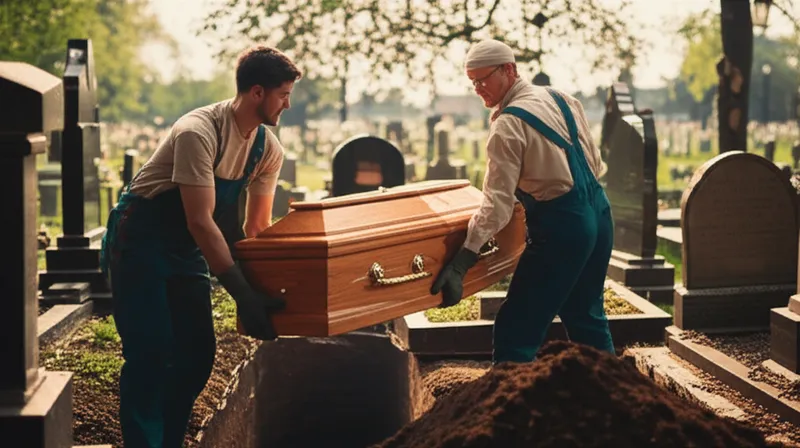
reinter/ˌriːɪnˈtɜːr/ /ˌriːˈɪntər/
To bury again, in the same or another grave.

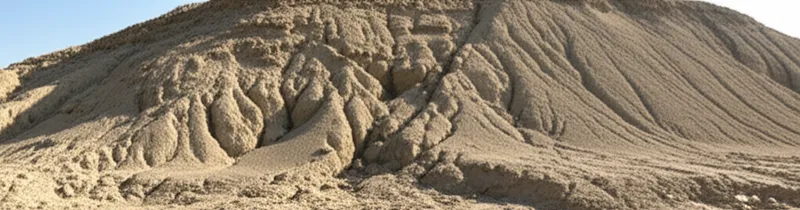
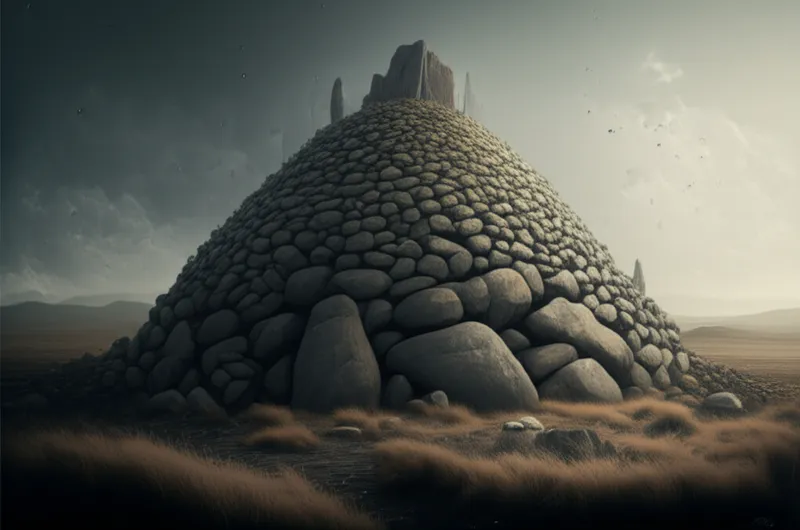
tell/tɛl/
A hill or mound, originally and especially in the Middle East, over or consisting of the ruins of ancient settlements.

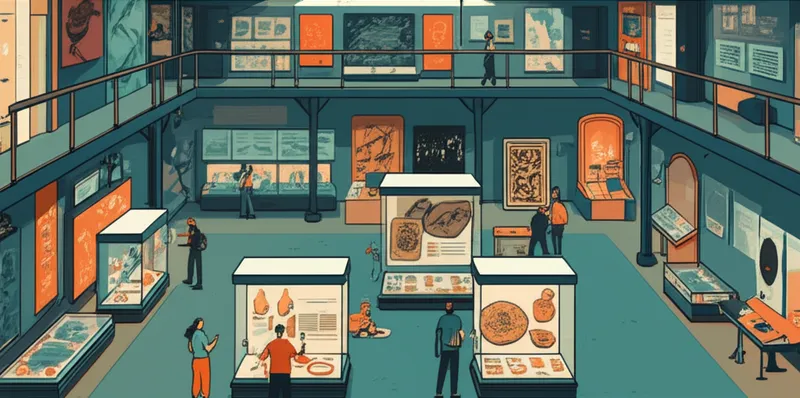
museum/mjuːˈziːəm/ /mjuˈzi.əm/
A building or institution dedicated to the acquisition, conservation, study, exhibition, and educational interpretation of objects having scientific, historical, cultural or artistic value.