BeDict Logo

organism

Master Vocabulary through Immersive Visuals & AI
Trending Posts
nests
nestsnoun
/nɛsts/

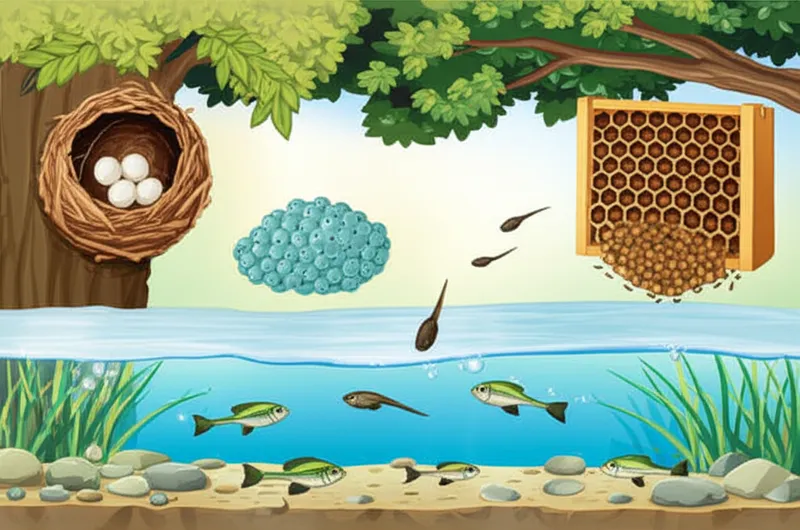
A place used by another mammal, fish, amphibian or insect, for depositing eggs and hatching young.

slippery elms
/ˈslɪpəri ˈɛlmz/

Ulmus rubra, a North American elm tree with a mucilaginous and slightly aromatic inner bark.

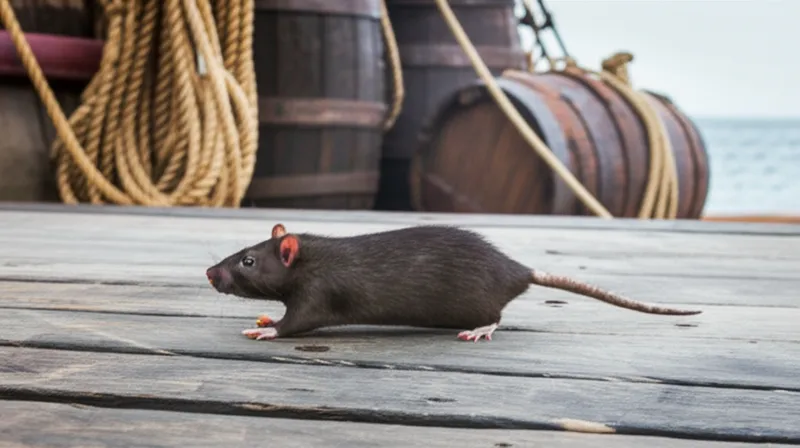
ship rat
/ˈʃɪp ˌræt/

A common species of rat, Rattus rattus.

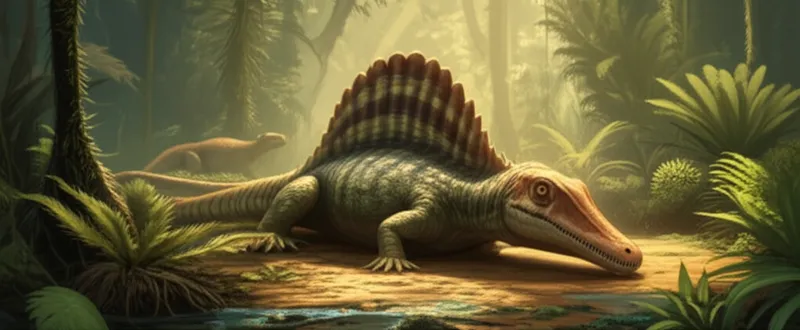
pelycosaur
/ˌpɛlɪkoʊˈsɔr/

Any of a group of basal or primitive Late Paleozoic synapsid amniotes, part of a polyphyletic grade, formerly regarded as order Pelycosauria.
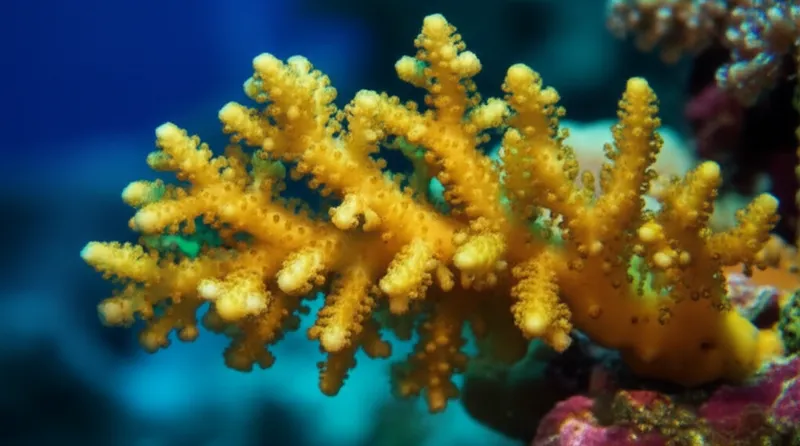
millepore
/ˈmɪlɪˌpɔːr/ /ˈmɪliˌpɔr/

Any coral of the genus Millepora, having the surface nearly smooth, and perforated with very minute unequal pores, or cells.
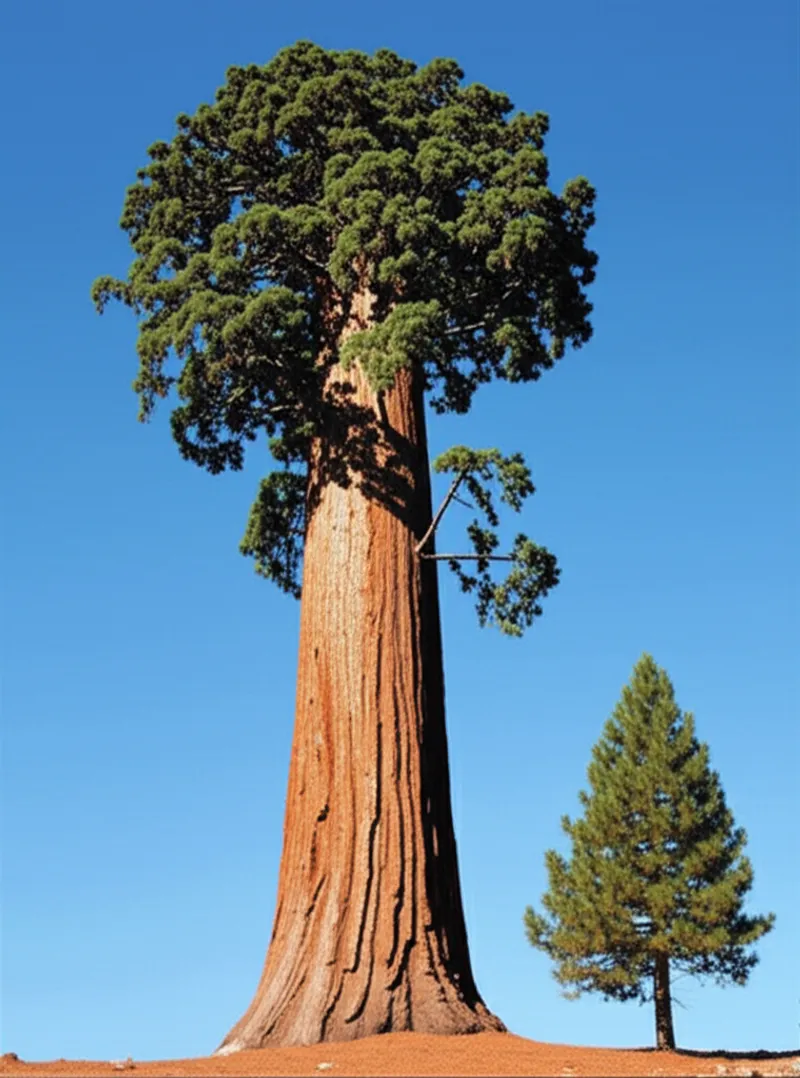
sequoias
/sɪˈkwɔɪ.əz/ /səˈkwɔɪ.əz/

Sequoiadendron giganteum, a coniferous evergreen tree formerly in the genus Sequoia, now placed in Sequoiadendron.

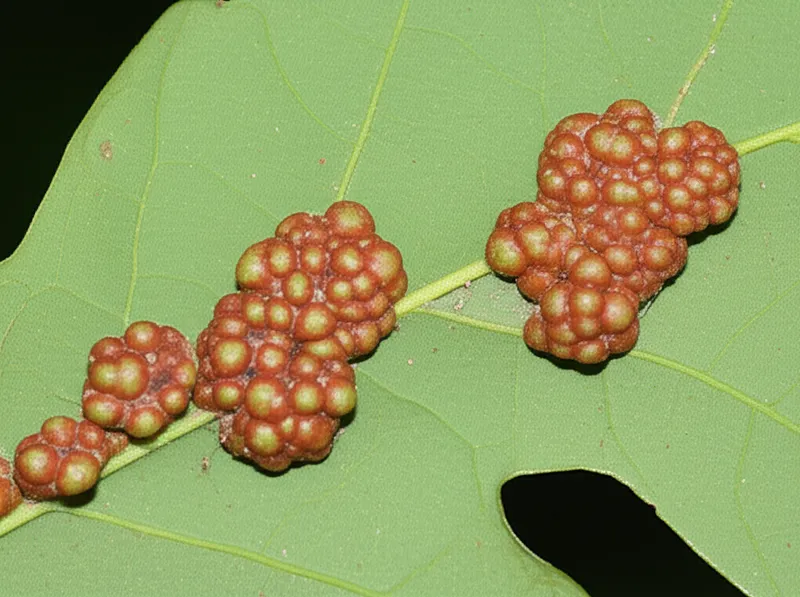
gall
gallnoun
/ɡɑl/

A blister or tumor-like growth found on the surface of plants, caused by burrowing of insect larvae into the living tissues, especially that of the common oak gall wasp Cynips quercusfolii.

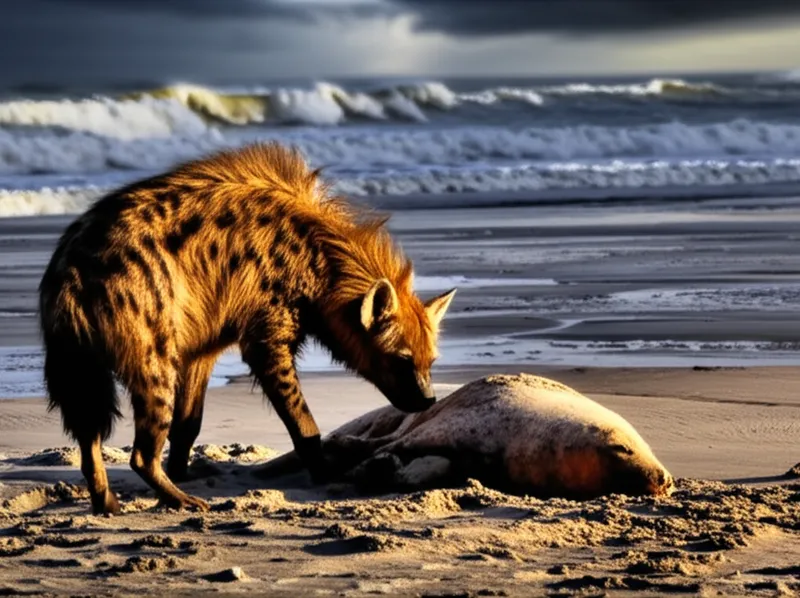
strandwolf
/ˈstrændwʊlf/

The brown hyena (Hyaena brunnea).

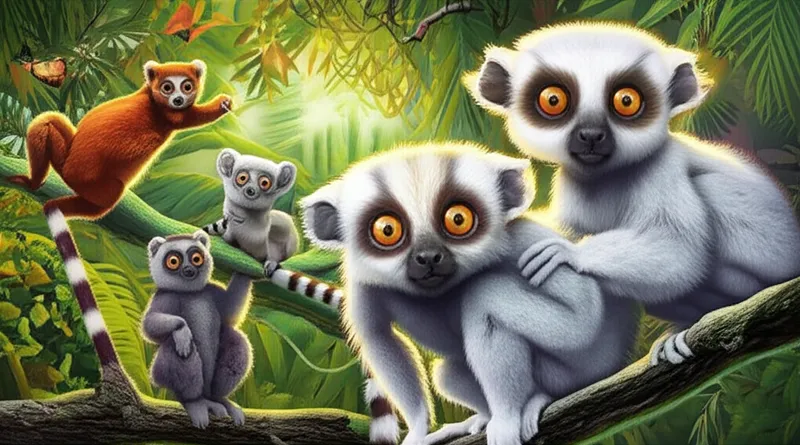
lemurs
lemursnoun
/ˈliːmɜːrz/

Any strepsirrhine primate of the infraorder Lemuriformes, superfamily Lemuroidea, native only to Madagascar and some surrounding islands.

"During our trip to Madagascar, we saw many playful lemurs swinging through the trees. "

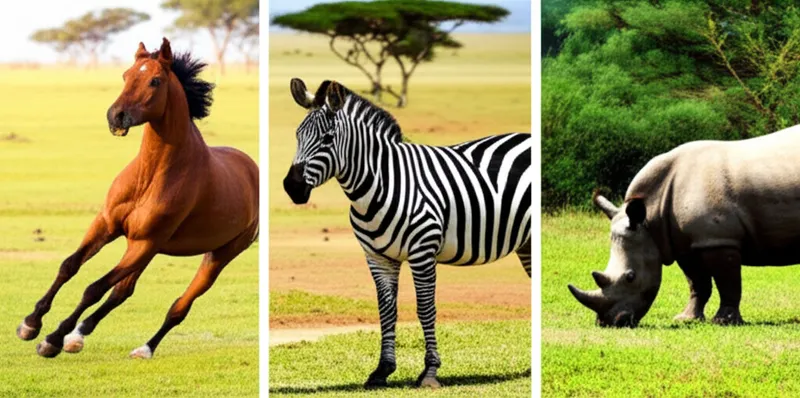
perissodactyl
/pəˌrɪsəˈdæktəl/ /ˌpɛrɪsoʊˈdæktɪl/

Any ungulate mammal with an odd number of toes and belonging to the Perissodactyla, including the horses, zebra, and rhinoceros.

"A horse is a perissodactyl, meaning it has an odd number of toes on each foot. "

maxilla
/mækˈsɪlə/ /mækˈsɪlə/

(arthropodology) One of a set of paired mouthparts found in many arthropods and used for tasting and manipulating food.

parasiticides
/ˌpærəˈsɪtɪˌsaɪdz/

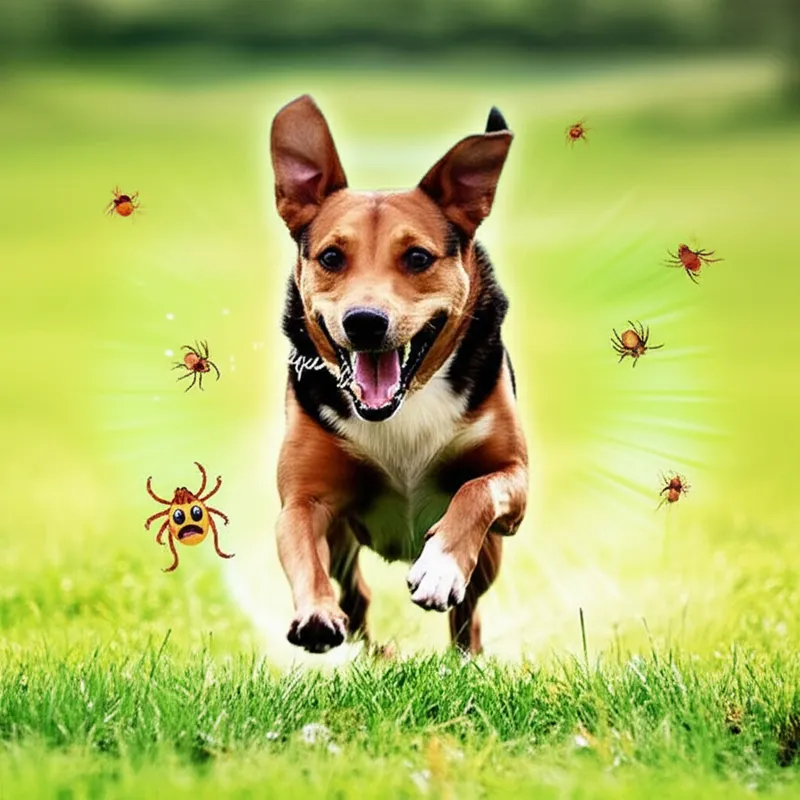
Any substance used to kill parasites.

toddy cat
/ˈtɒdiˌkæt/ /ˈtɑdiˌkæt/

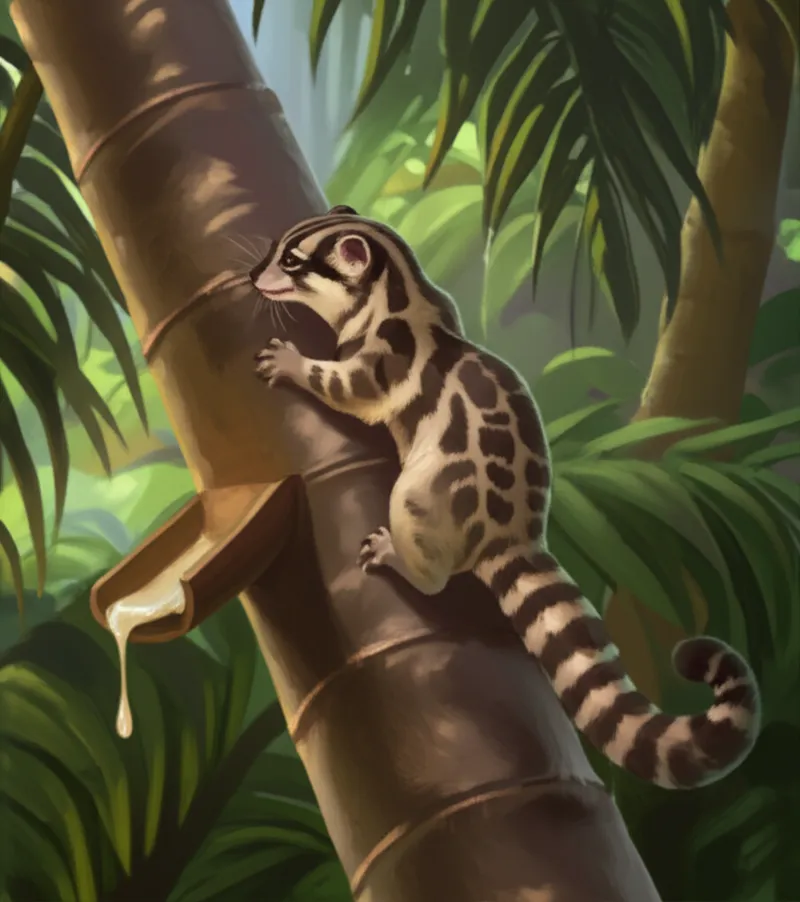
The Asian palm civet or musang (Paradoxurus hermaphroditus).

pesticide
/ˈpɛstɨsaɪd/ /ˈpɛstɪ̈ˌsaɪd/

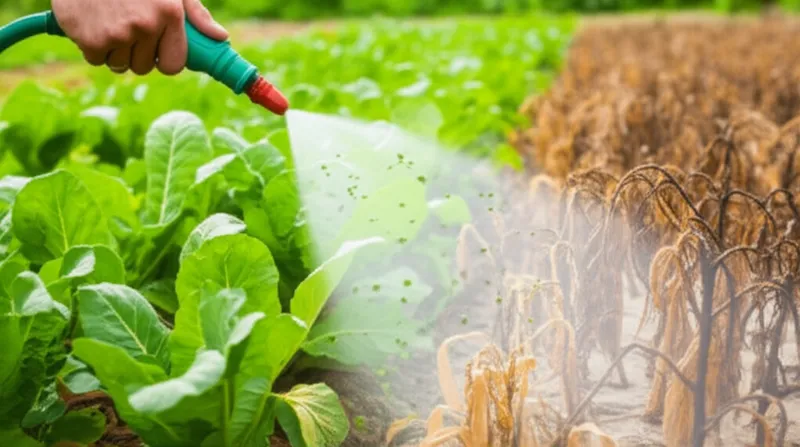
Anything, especially a synthetic substance but also any substance (e.g. sulfur), or virus, bacterium, or other organism, which kills or suppresses the activities of pests.

cestode
/ˈsɛs.təʊd/ /ˈsɛˌstoʊd/

A parasitic flatworm of the class Cestoda; a tapeworm.

goosegrasses
/ˈɡuːsˌɡræsɪz/

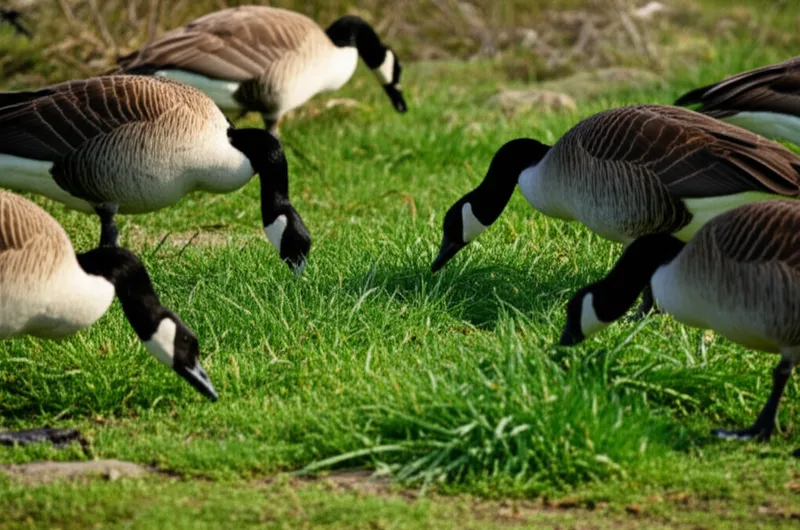
Any of various grasses, sometimes used as food for geese, principally in genus Eleusine.

sheathes
/ʃiːðz/ /ʃiːθs/

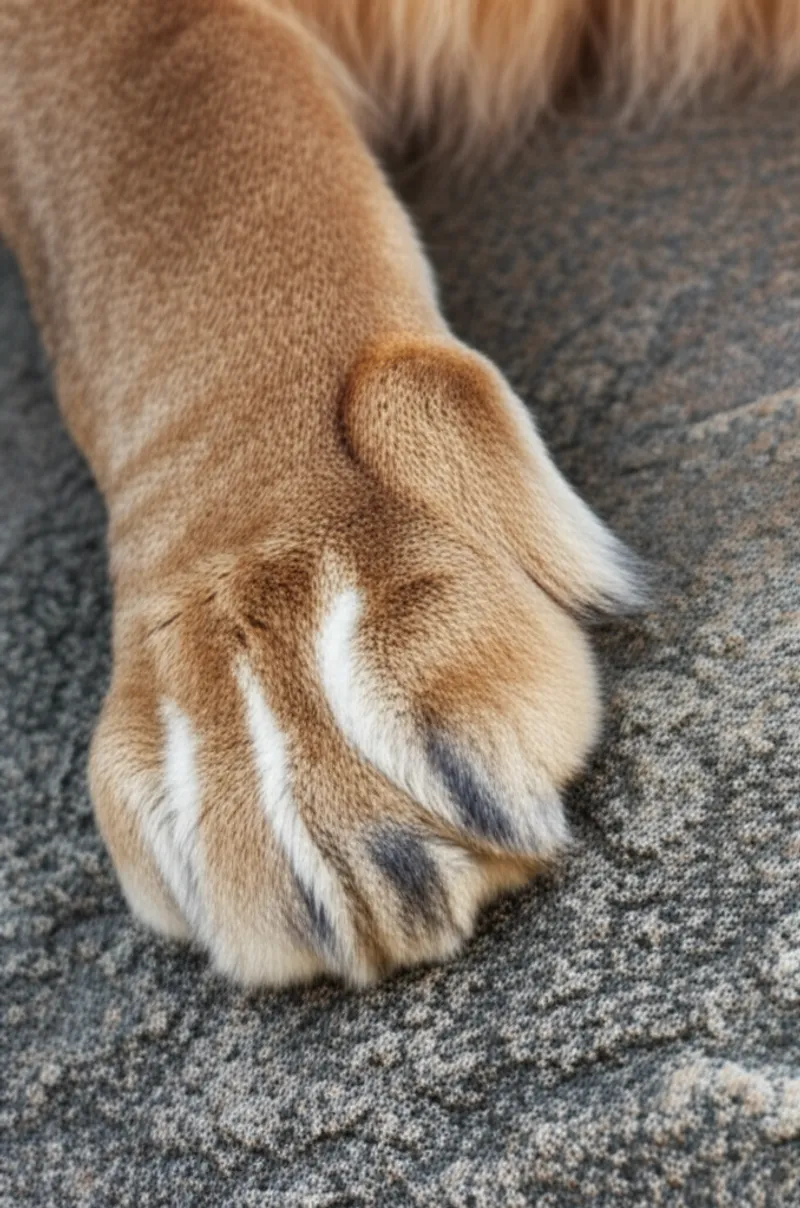
Of an animal: to draw back or retract (a body part) into the body, such as claws into a paw.

kowari
kowarinoun
/koʊˈwɑːri/

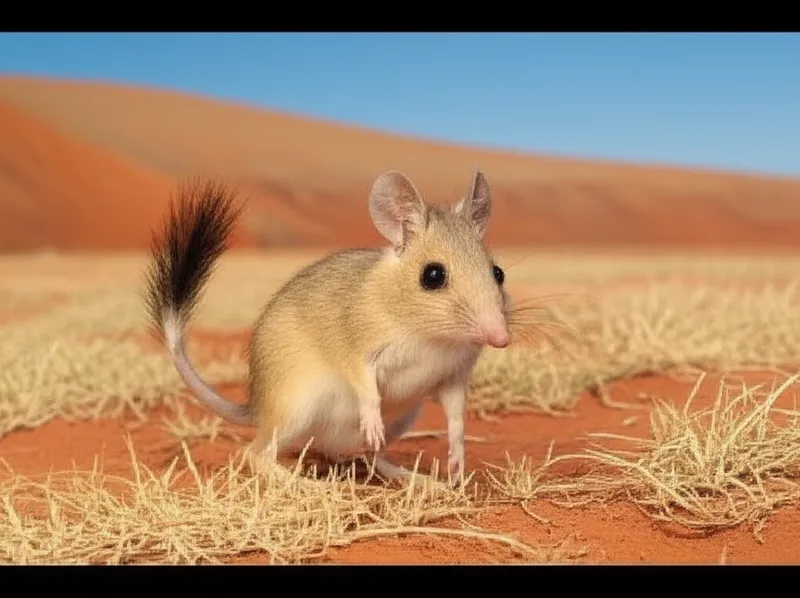
A small carnivorous rat-like marsupial, Dasyuroides byrnei, endemic to the dry grasslands and deserts of central Australia.

urn
urnnoun
/ɜːn/ /ɝn/

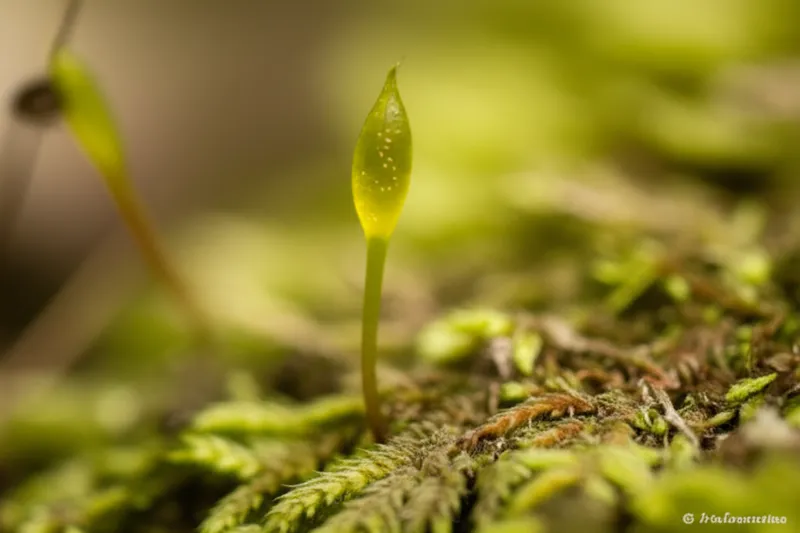
A hollow body shaped like an urn, in which the spores of mosses are contained; a spore case; a theca.