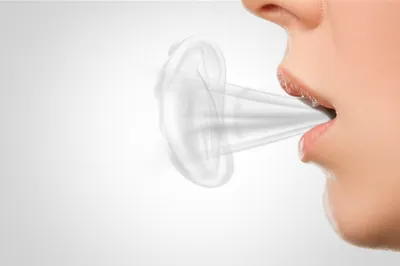
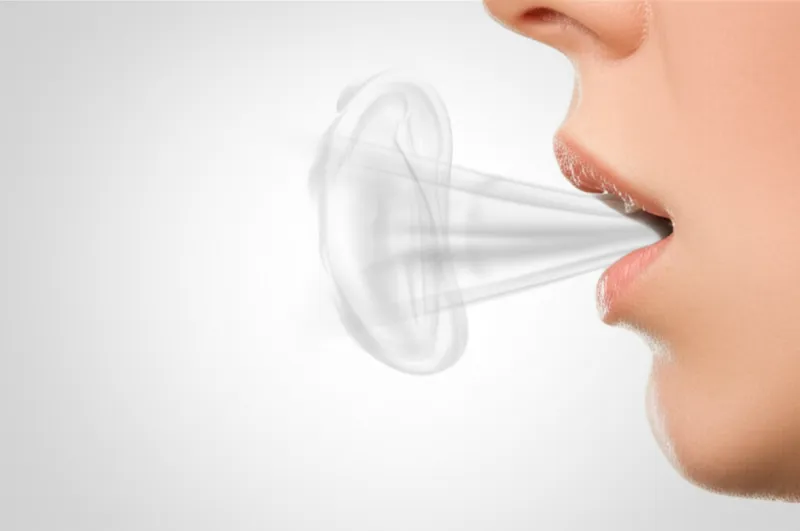
noun Download 🔗Share The puff of air accompanying the release of a plosive consonant. Examples : "You can feel the aspirate when you pronounce the "p" in "pot" by holding your hand in front of your mouth. " phonetics language linguistics Chat with AIVocabulary GamePractice Reading
noun Download 🔗Share A sound produced by such a puff of air. Examples : "You could hear a distinct aspirate following the "p" in her pronunciation of "pot," making it sound more emphatic. " phonetics language sound Chat with AIVocabulary GamePractice Reading
noun Download 🔗Share A mark of aspiration (#) used in Greek; the asper, or rough breathing. Examples : "The student carefully copied the Greek phrase, noting the aspirate (#) above the letter. " grammar language linguistics phonetics word Chat with AIVocabulary GamePractice Reading
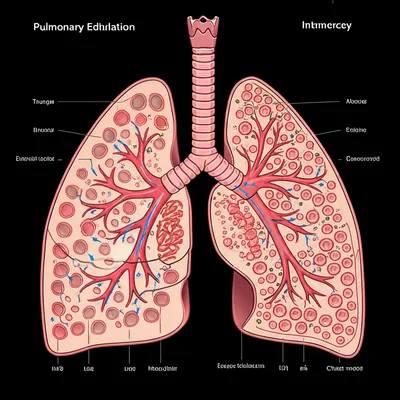
verb Download 🔗Share To remove a liquid or gas by means of suction. Examples : "The nurse aspirated the excess fluid from the patient's lungs. " medicine physiology body Chat with AIVocabulary GamePractice Reading
verb Download 🔗Share To inhale so as to draw something other than air into one's lungs. Examples : "The toddler choked and started to aspirate his milk when he laughed while drinking. " medicine physiology body Chat with AIVocabulary GamePractice Reading
verb Download 🔗Share To produce an audible puff of breath. especially following a consonant. Examples : "When pronouncing the word "pin," be sure to aspirate the "p" sound, creating a small puff of air. " phonetics language physiology Chat with AIVocabulary GamePractice Reading
adjective Download 🔗Share Aspirated Examples : "The "p" in "pot" is aspirated, unlike the "p" in "spot." " phonetics language linguistics Chat with AIVocabulary GamePractice Reading