








BeDict Logo

should

/ΚƒΚŠd/ /ΚƒΙ™d/
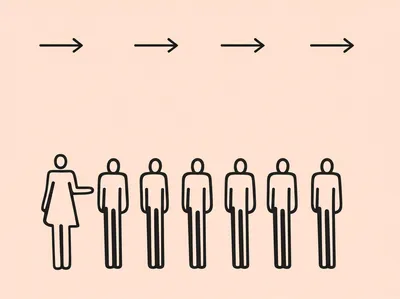
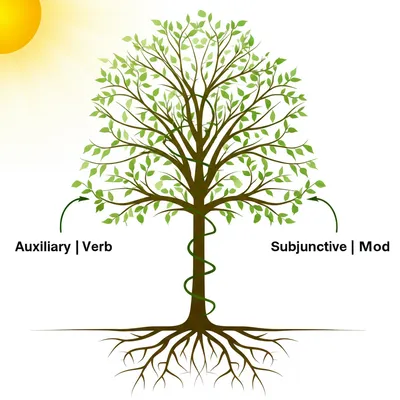
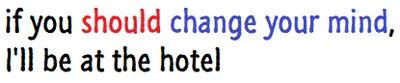
Visual illustration of should: (auxiliary) Be obliged to; have an obligation to; indicates that the subject of the sentence has some obligation to execute the sentence predicate or that the speaker has some strong advice but has no authority to enforce it. - Image 1
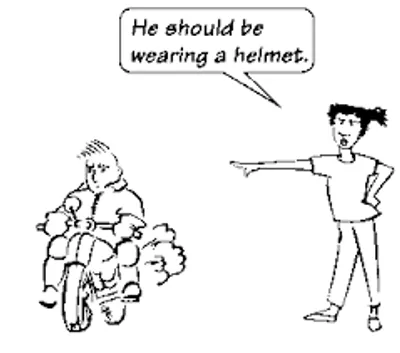
should: (auxiliary) Be obliged to; have an obligation to; indicates that the subject of the sentence has some obligation to execute the sentence predicate or that the speaker has some strong advice but has no authority to enforce it. - Thumbnail 1
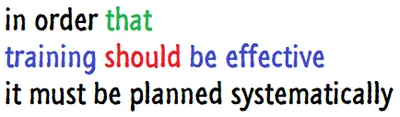
should: (auxiliary) Be obliged to; have an obligation to; indicates that the subject of the sentence has some obligation to execute the sentence predicate or that the speaker has some strong advice but has no authority to enforce it. - Thumbnail 2
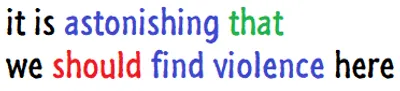
should: (auxiliary) Be obliged to; have an obligation to; indicates that the subject of the sentence has some obligation to execute the sentence predicate or that the speaker has some strong advice but has no authority to enforce it. - Thumbnail 3
should: (auxiliary) Be obliged to; have an obligation to; indicates that the subject of the sentence has some obligation to execute the sentence predicate or that the speaker has some strong advice but has no authority to enforce it. - Thumbnail 4
should: (auxiliary) Be obliged to; have an obligation to; indicates that the subject of the sentence has some obligation to execute the sentence predicate or that the speaker has some strong advice but has no authority to enforce it. - Thumbnail 5
verb

(auxiliary) Be obliged to; have an obligation to; indicates that the subject of the sentence has some obligation to execute the sentence predicate or that the speaker has some strong advice but has no authority to enforce it.