


noun🔗Shareदुष्ट, बदमाशOne who has behaved badly, or illegally."The teacher sent the miscreants to see the school principal."शिक्षक ने बदमाशों को प्रधानाचार्य से मिलने भेजा।characterpersonmoralnegativeactionlawChat with AIVocabulary GamePractice Reading
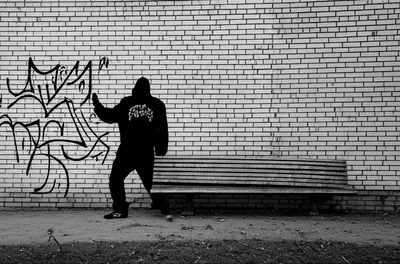
noun🔗Shareदुष्ट, बदमाशOne not restrained by moral principles; an unscrupulous villain."The neighborhood kids suspected that the miscreant who kept vandalizing the park benches was a disgruntled former resident. "पड़ोस के बच्चों को शक था कि पार्क की बेंचों को खराब करने वाला बदमाश एक असंतुष्ट पूर्व निवासी था।moralpersoncharacternegativeattitudeguiltinhumanChat with AIVocabulary GamePractice Reading
noun🔗Shareपाखंडी, विधर्मीOne who holds a false religious belief; a misbeliever."The villagers considered anyone who didn't worship their god a miscreant and refused to trade with them. "गाँव वालों ने किसी को भी जो उनके देवता की पूजा नहीं करता था, पाखंडी माना और उनके साथ व्यापार करने से इनकार कर दिया।religionpersonmoralcharactertheologyChat with AIVocabulary GamePractice Reading
adjective🔗Shareदुष्ट, बेईमानLacking in conscience or moral principles; unscrupulous."The miscreant student cheated on the exam without any remorse, knowing it would unfairly boost his grade. "दुष्ट छात्र ने बिना किसी पछतावे के परीक्षा में धोखा दिया, यह जानते हुए कि इससे अनुचित रूप से उसके ग्रेड में वृद्धि होगी।moralcharacternegativeinhumanChat with AIVocabulary GamePractice Reading
adjective🔗Shareविधर्मी, नास्तिकHolding an incorrect religious belief.""Some considered him a miscreant for questioning the established religious doctrines." "कुछ लोगों ने उसे स्थापित धार्मिक सिद्धांतों पर सवाल उठाने के लिए विधर्मी माना।religiontheologymoralChat with AIVocabulary GamePractice Reading