

semantic
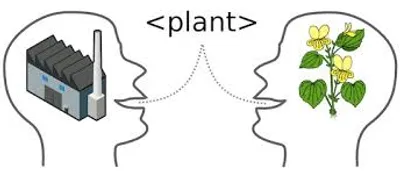
Meanings


Examples :
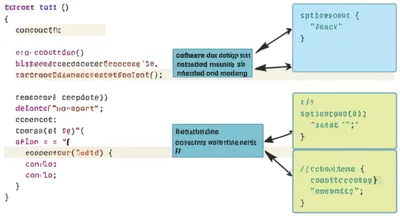
अर्थपूर्ण, इच्छित संरचना और अर्थ को दर्शाता हुआ
Examples :
"The new software program's code is very semantic, clearly reflecting the intended structure and relationships between different parts of the school database. "
नए सॉफ्टवेयर प्रोग्राम का कोड बहुत अर्थपूर्ण है, जो स्कूल डेटाबेस के विभिन्न हिस्सों के बीच इच्छित संरचना और संबंधों को स्पष्ट रूप से दर्शाता है।

सूक्ष्म, तुच्छ
Examples :
Related Words


differences noun
/ˈdɪfɹənsɪz/
अंतर, भिन्नता
contrasted verb
/kənˈtræstɪd/ /ˈkɑːntræstɪd/
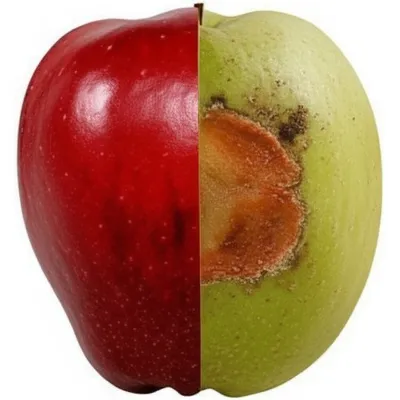
विपरीत करना, विरोध करना
शिक्षक ने दोनों कविताओं को विपरीत किया, उनके स्वर और विषयों में अंतर को उजागर करते हुए।

relationships noun
/rɪˈleɪʃənʃɪps/ /rɪˈleɪʃʌnʃɪps/
संबंध, रिश्ते
सहपाठियों के साथ मजबूत संबंध बनाना सीखने को अधिक आनंददायक बना सकता है।



distinction noun
/dɪˈstɪŋkʃən/
अंतर, भेद, भिन्नता

discussion noun
/dɪsˈkʊʃən/ /dɪˈskʌʃən/
चर्चा, बहस
"My discussion with the professor was very enlightening."
प्रोफेसर के साथ मेरी चर्चा बहुत ज्ञानवर्धक थी।


unimportant adjective
/ˌʌnɪmˈpɔːrtənt/ /ˌʌnɪmˈpɔːrtnt/
अहमियतहीन, महत्वहीन