biology
Master Vocabulary through Immersive Visuals & AI
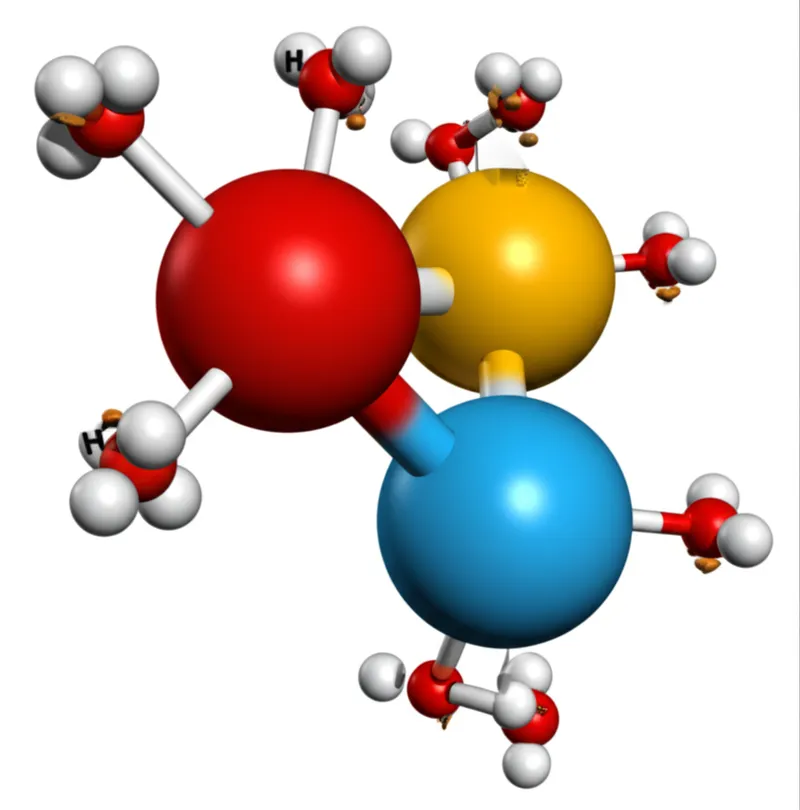
triosesnoun
/ˈtraɪoʊsiːz/ /ˈtriːoʊsiːz/
A sugar or saccharide containing three carbon atoms. Trioses are the smallest monosaccharides. Dihydroxyacetone and L-/D-glyceraldehyde are the only trioses.





pelycosaurnoun
/ˌpɛlɪkoʊˈsɔr/
Any of a group of basal or primitive Late Paleozoic synapsid amniotes, part of a polyphyletic grade, formerly regarded as order Pelycosauria.
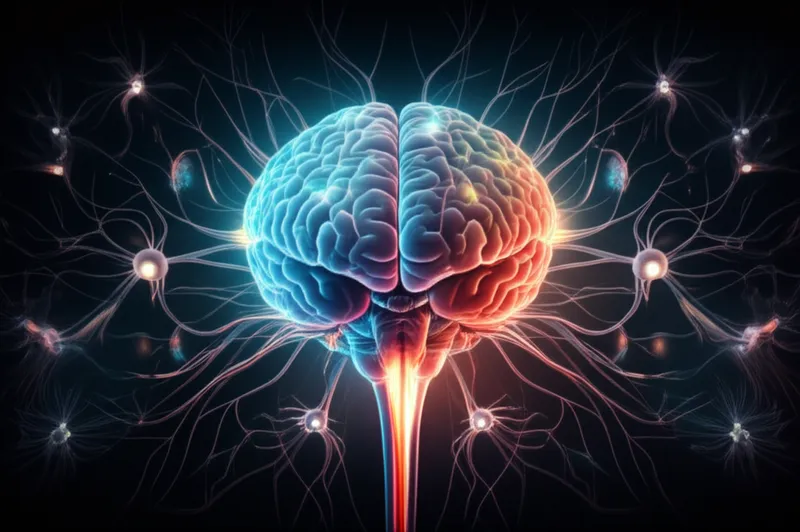
neuroendocrineadjective
/ˌnjʊroʊˈɛndəˌkraɪn/ /ˌnʊroʊˈɛndəˌkraɪn/
Pertaining to the nervous system and endocrine system together
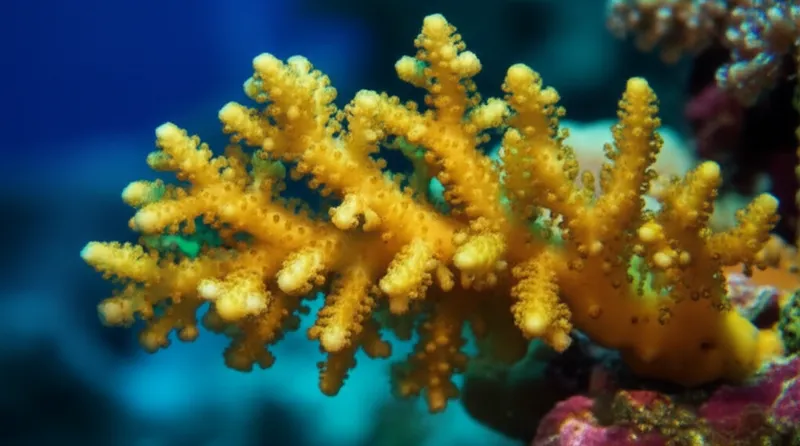
milleporenoun
/ˈmɪlɪˌpɔːr/ /ˈmɪliˌpɔr/
Any coral of the genus Millepora, having the surface nearly smooth, and perforated with very minute unequal pores, or cells.