compound
Explore the world of vocabulary through images

amplifications/ˌæmplɪfɪˈkeɪʃənz/
A procedure used in the nomenclature of complex organic compounds in which the superatoms of a basic structure (a phane) are replaced by cyclic structures (amplificants).

coordination/koʊˌɔɹdɪˈneɪʃən/
The reaction of one or more ligands with a metal ion to form a coordination compound.

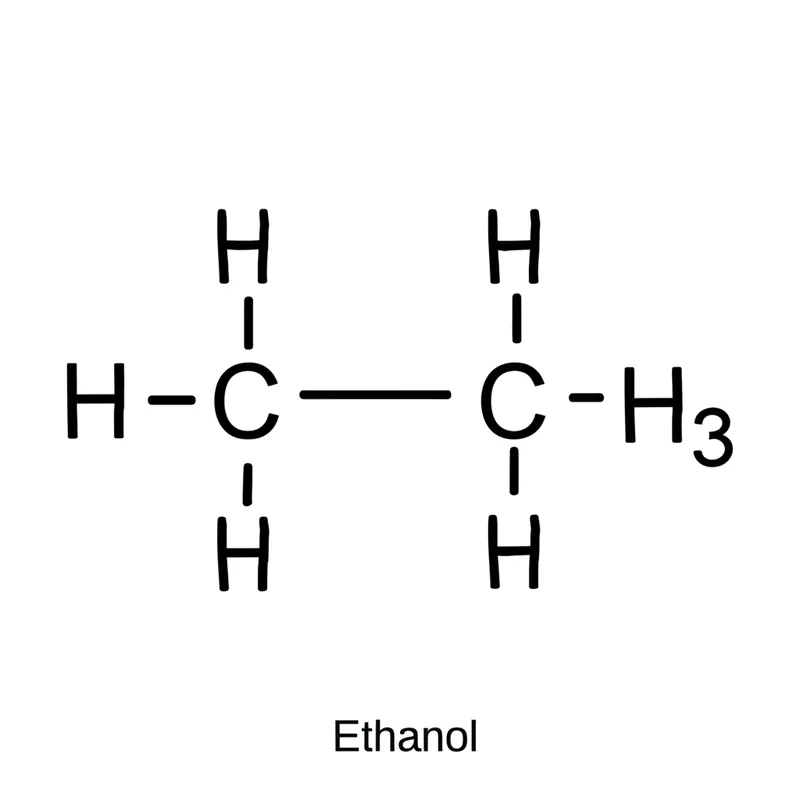
ethanol/ˈɛ.θə.nɒl/ /ˈɛ.θə.nɑl/
A simple aliphatic alcohol formally derived from ethane by replacing one hydrogen atom with a hydroxyl group: CH3-CH2-OH.

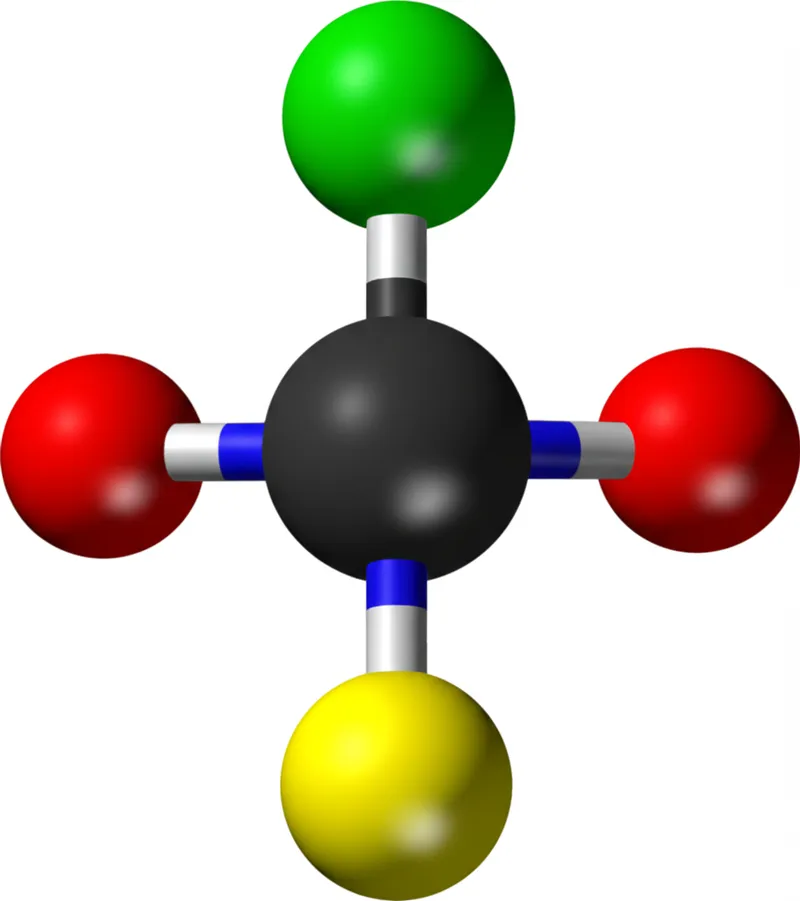
silane/ˈsaɪleɪn/ /ˈsɪleɪn/
Any of a group of silicon hydrides that are analogous to alkanes (the paraffin hydrocarbons); especially the parent compound SiH4

ethylacetate/ˌeθəlˈæsɪteɪt/ /ˌɛθəlˈæsəˌteɪt/
The ethyl ester of acetic acid; CH3COOCH2CH3

pyrethrin/paɪˈriːθrɪn/ /pɪˈriːθrɪn/
Any of a number of naturally occurring insecticides extracted from the pyrethrum plant; unusual in having a cyclopropane ring.

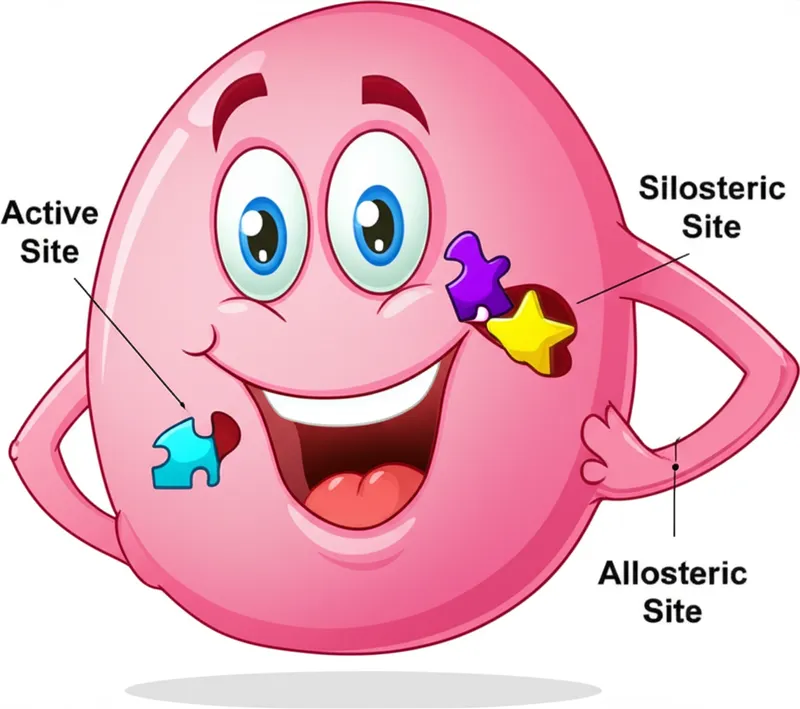
effector/ɪˈfɛktər/ /iˈfɛktər/
Any small molecule that effects the function of an enzyme by binding to an allosteric site.

siderophore/ˈsaɪdərəˌfɔːr/ /ˈsaɪdərəˌfoʊr/
Any medium-sized molecule that has a high specificity for binding or chelating iron; they are employed by microorganisms to obtain iron from the environment
acrylic acid/əˈkrɪlɪk ˈæsɪd/
A colourless liquid unsaturated organic acid, CH2CHCOOH; used as a monomer in the production of acrylic resins; forms acrylate esters by combination with alcohols.
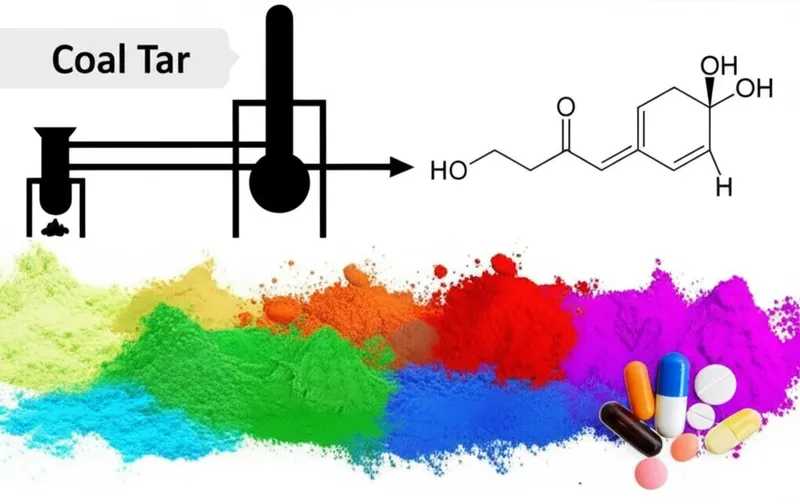

acridine/ˈækrɪdiːn/ /ˈækrɪdaɪn/
A tricyclic aromatic heterocycle, dibenzopyridine, obtained from coal tar; it is used in the manufacture of dyes and drugs