BeDict Logo

ecology

Master Vocabulary through Immersive Visuals & AI
Trending Posts
introduced
introducedadjective
/ˌɪntɹəˈdjuːst/ /ˌɪntɹəˈduːst/

Not native to a location; brought from another place.

"The prickly pear cactus is an introduced species in Australia."

sequoias
/sɪˈkwɔɪ.əz/ /səˈkwɔɪ.əz/

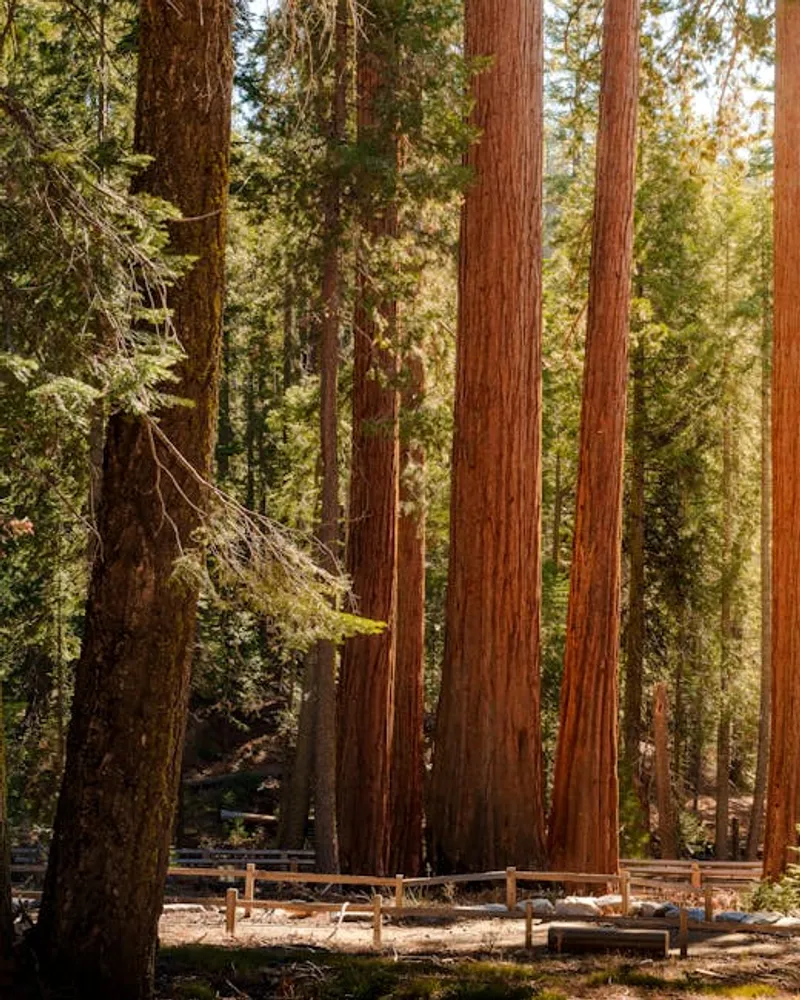
Sequoia sempervirens, a coniferous evergreen tree, the only living species of the genus Sequoia.

pesticide
/ˈpɛstɨsaɪd/ /ˈpɛstɪ̈ˌsaɪd/

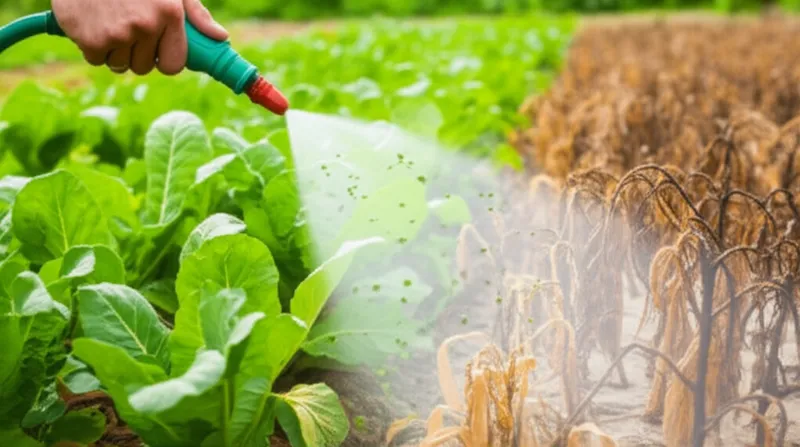
Anything, especially a synthetic substance but also any substance (e.g. sulfur), or virus, bacterium, or other organism, which kills or suppresses the activities of pests.

kowari
kowarinoun
/koʊˈwɑːri/

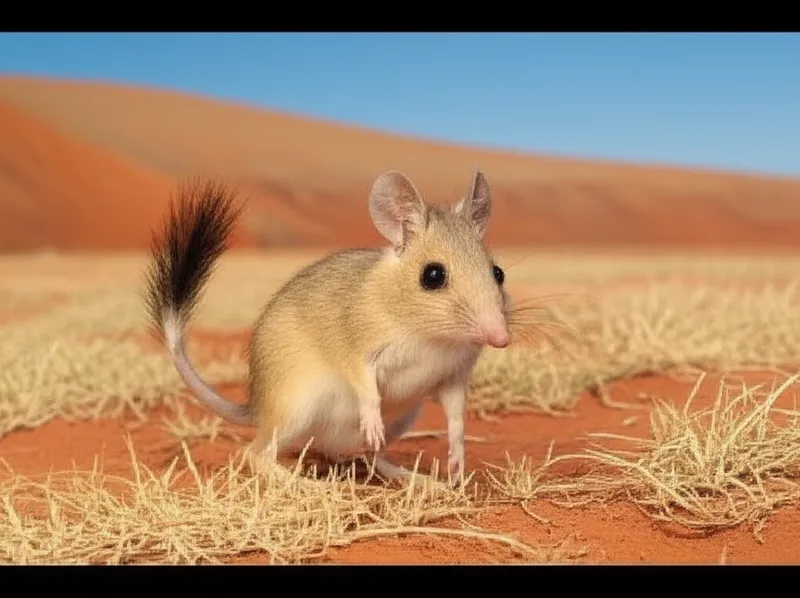
A small carnivorous rat-like marsupial, Dasyuroides byrnei, endemic to the dry grasslands and deserts of central Australia.

superspecies
/ˌsupərˈspiʃiz/

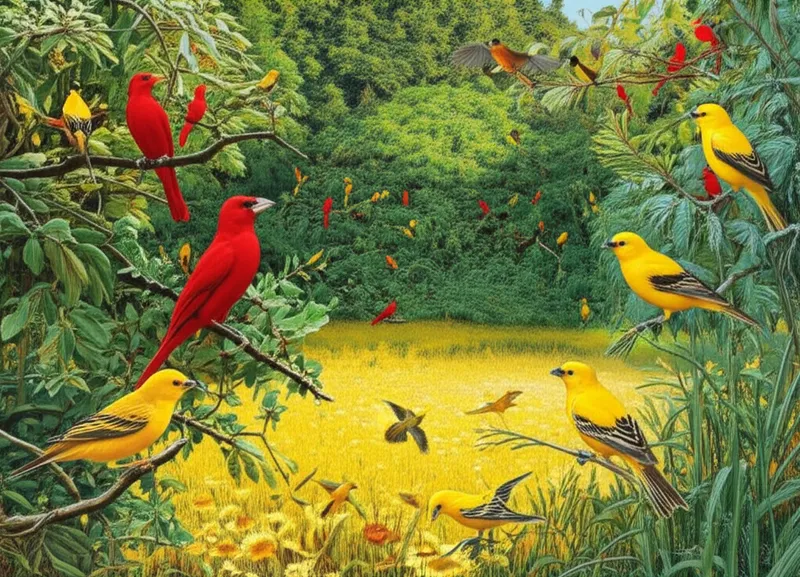
A group of at least two more or less distinct species with approximately parapatric distributions

exotic
exoticnoun
/ɪɡˈzɒtɪk/ /ɪɡˈzɑtɪk/

An organism that is exotic to an environment.

whitethroats
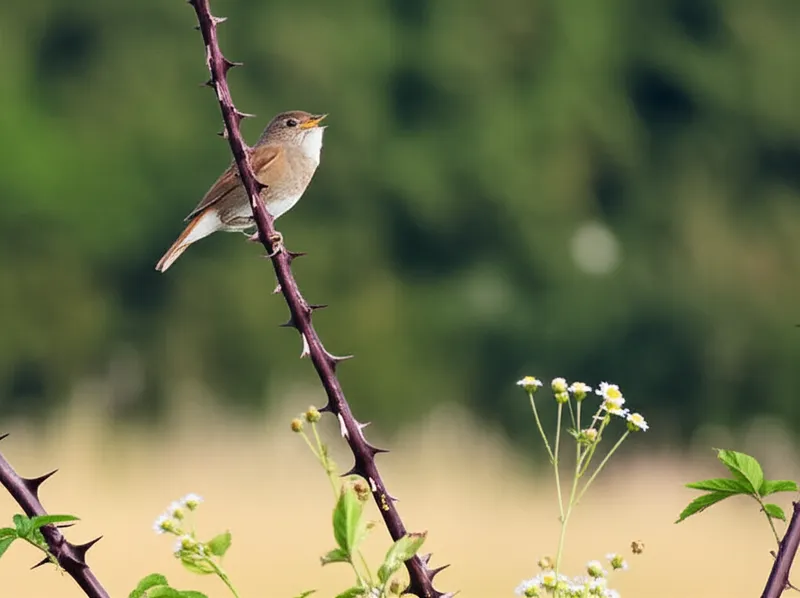
/ˈwaɪθroʊts/ /ˈʍaɪθroʊts/

Sylvia communis, a species of typical warbler.

darwinism
/ˈdɑːrwɪnɪzəm/ /ˈdɑːrwɪnɪzəm/

The principles of natural selection set out in Charles Darwin's On the Origin of Species (1859), more strictly defined by August Weismann and developed by other authors into a central part of the modern evolutionary synthesis.
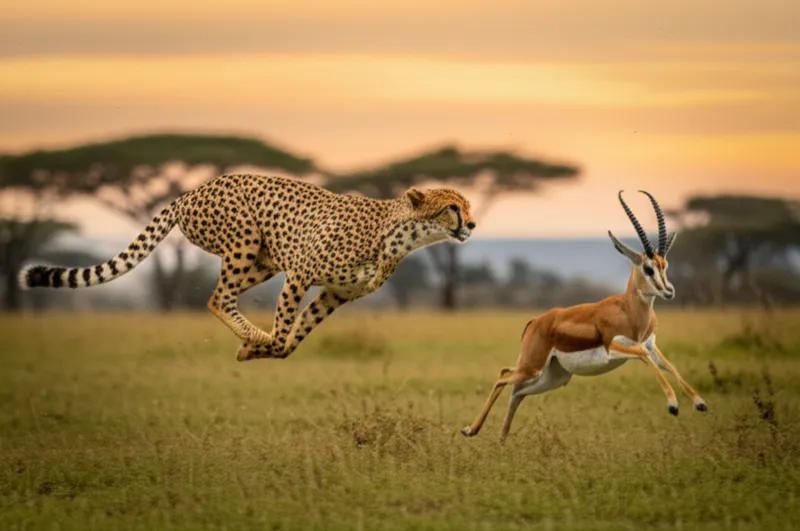

predation
/prɪˈdeɪʃən/

The preying of one animal on others.

matrixes
/ˈmeɪtrɪˌsiːz/ /ˈmætrɪksɪz/

The environment from which a given sample is taken.

water hemlock
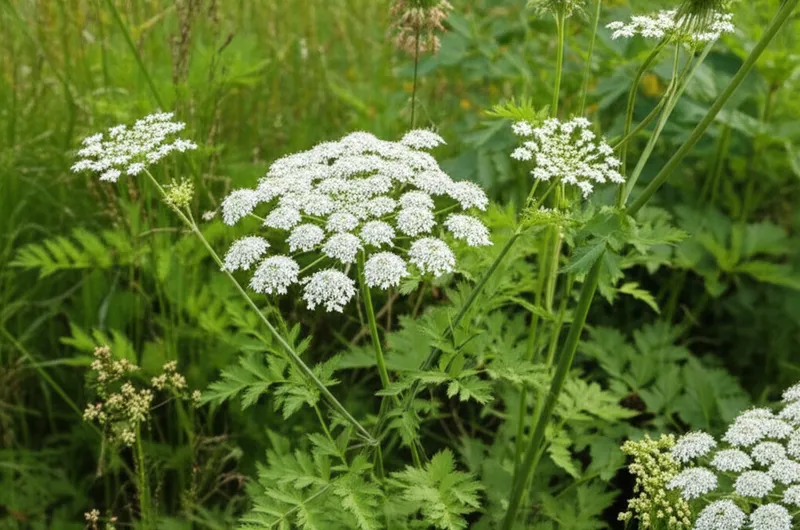
/ˈwɔtər ˈhɛmlɑk/ /ˈwɑtər ˈhɛmlɑk/

A plant of any of the species in genus Cicuta, all highly poisonous and easily confused with other non-toxic forage plants.

naturalize
/ˈnætʃəɹəˌlaɪz/

To acclimatize an animal or plant

buckbrush
/ˈbʌkˌbrʌʃ/

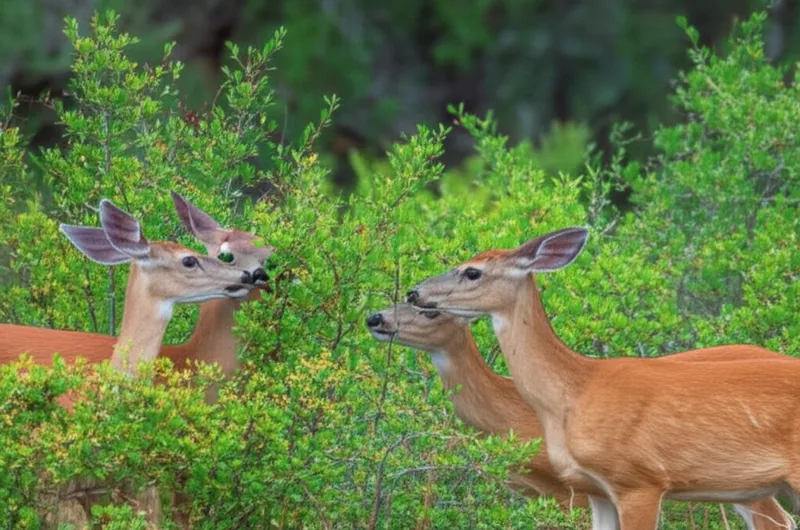
Any of various North American shrubs that deer feed on:

persistent organic pollutant
/pɚˈsɪstənt ɔrˈɡænɪk pəˈlutənt/ /pərˈsɪstənt ɔrˈɡænɪk pəˈlutənt/

Organic compounds, predominantly synthetic, that are resistant to environmental degradation through chemical, biological and photolytic processes, and that are often associated with health risks.
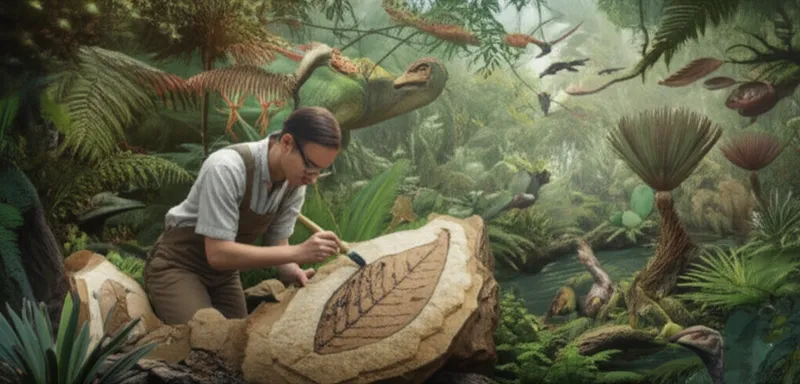
palaeoecology
/ˌpælioʊɪˈkɒlədʒi/ /ˌpeɪlioʊɪˈkɒlədʒi/

The study of past ecologies by using the evidence of fossils

statoblast
/ˈsteɪtoʊblæst/ /ˈstætəˌblæst/

One of a peculiar kind of internal buds, or germs, produced in the interior of certain Bryozoa and sponges. They are protected by a firm covering, and are usually destined to perpetuate the species during the winter season. They burst open and develop in the spring. In some freshwater sponges they serve to preserve the species during the dry season.
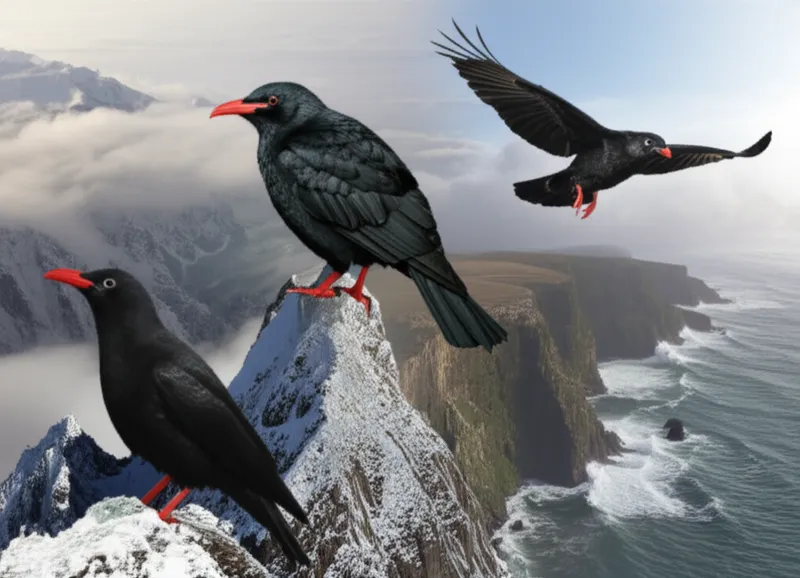
chough
choughnoun
/tʃʌf/

Either of two species of bird of the genus Pyrrhocorax in the crow family Corvidae that breed mainly in high mountains and on coastal sea cliffs of Eurasia.
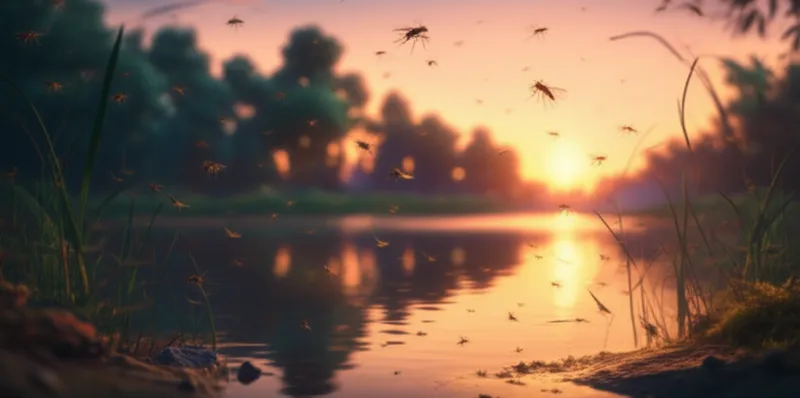
midges
midgesnoun
/ˈmɪdʒɪz/

Any of various small two-winged flies, for example, from the family Chironomidae or non-biting midges, the family Chaoboridae or phantom midges, and the family Ceratopogonidae or biting midges, all belonging to the order Diptera
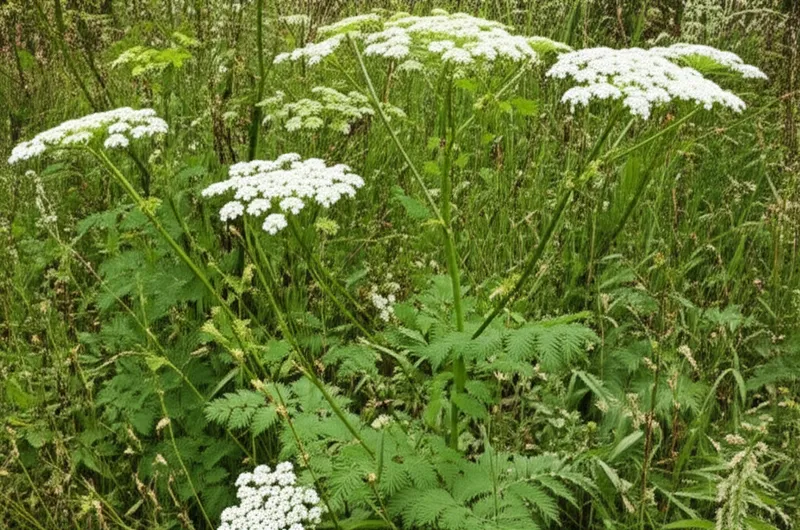
cow parsley
/ˌkaʊ ˈpɑːsli/ /ˌkaʊ ˈpɑrsli/

Anthriscus sylvestris, a weedy biennial umbellifer native to the Old World.