noun Download 🔗Share An alveolar consonant Examples : ""In English, 't' and 'd' are alveolar sounds because the tongue touches the alveolar ridge behind the upper teeth to pronounce them." " phonetics language linguistics Chat with AIVocabulary GamePractice Reading
adjective Download 🔗Share Of or relating to an alveolus. Examples : "The doctor examined the patient's alveolar sacs to check for any damage. " anatomy physiology medicine biology Chat with AIVocabulary GamePractice Reading
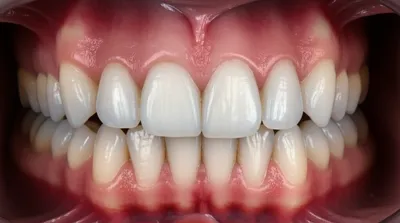
adjective Download 🔗Share Relating to the jaw ridge containing the tooth sockets. Examples : "The dentist examined the patient's alveolar bone to check for bone loss around the teeth. " anatomy physiology medicine biology organ linguistics phonetics Chat with AIVocabulary GamePractice Reading
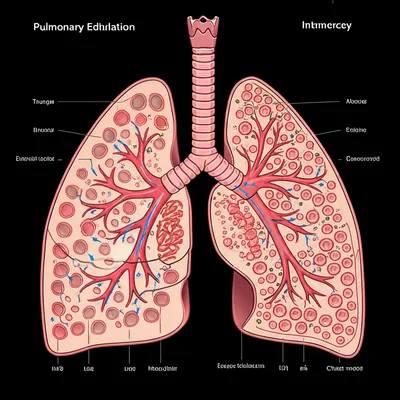
adjective Download 🔗Share Relating to the alveoli (small air sacs) of the lungs. Examples : "The doctor explained that the patient's alveolar sacs were inflamed, making breathing difficult. " anatomy physiology medicine biology organ body Chat with AIVocabulary GamePractice Reading
adjective Download 🔗Share Formed with the tongue touching or approaching the inner ridge of the gums of the upper front teeth. Examples : "When pronouncing the sounds "t" and "d," your tongue makes an alveolar contact just behind your upper teeth. " phonetics language linguistics Chat with AIVocabulary GamePractice Reading