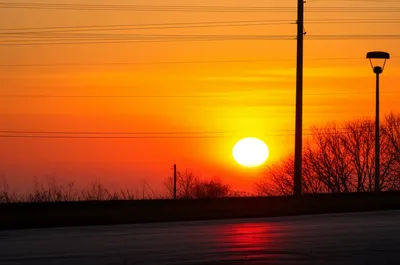

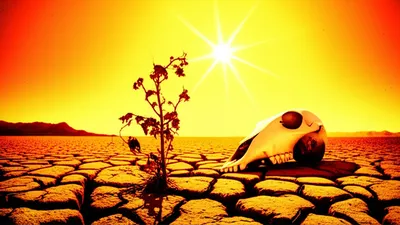
verbπShareTo burn the surface of, to scorch."The sun today could parch cement."weatherenvironmentnatureChat with AIVocabulary GamePractice Reading
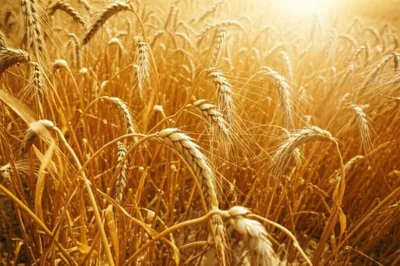
verbπShareTo roast, as dry grain."The farmer carefully parched the corn kernels over the open fire. "agriculturefoodprocessChat with AIVocabulary GamePractice Reading
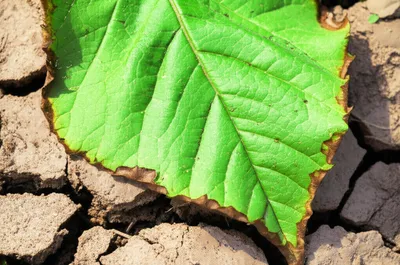
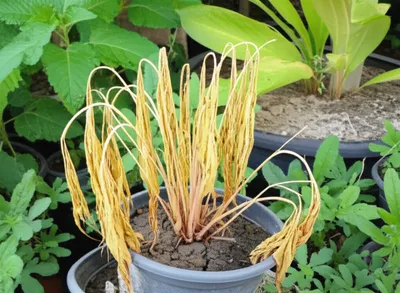
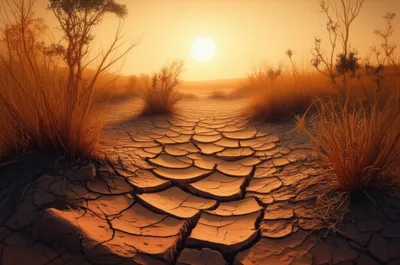
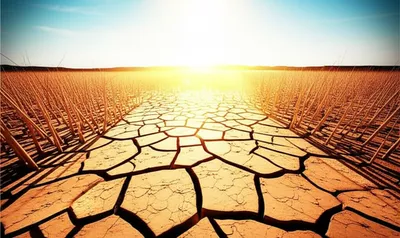
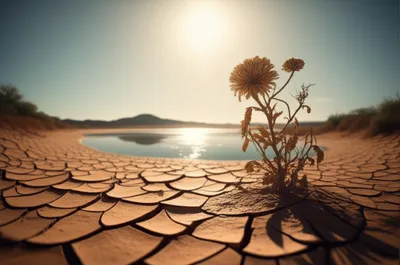
verbπShareTo dry to extremity; to shrivel with heat."The summer sun parched the garden, turning the green leaves brown and brittle. "conditionenvironmentweatherChat with AIVocabulary GamePractice Reading
verbπShareTo make thirsty."The hot sun parched my throat after playing soccer all afternoon. "physiologysensationChat with AIVocabulary GamePractice Reading
verbπShareTo boil something slowly (Still used in Lancashire in parched peas, a type of mushy peas)."My grandma always parched the peas overnight on a low heat to make her special mushy pea recipe. "foodvegetableagricultureprocessChat with AIVocabulary GamePractice Reading
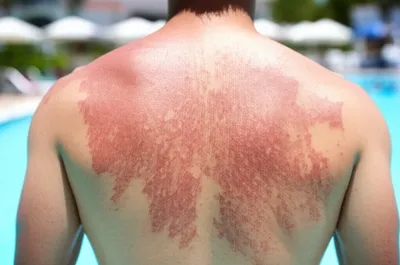
verbπShareTo become superficially burnt; be become sunburned."The locals watched, amused, as the tourists parched in the sun, having neglected to apply sunscreen or bring water."appearanceconditionChat with AIVocabulary GamePractice Reading
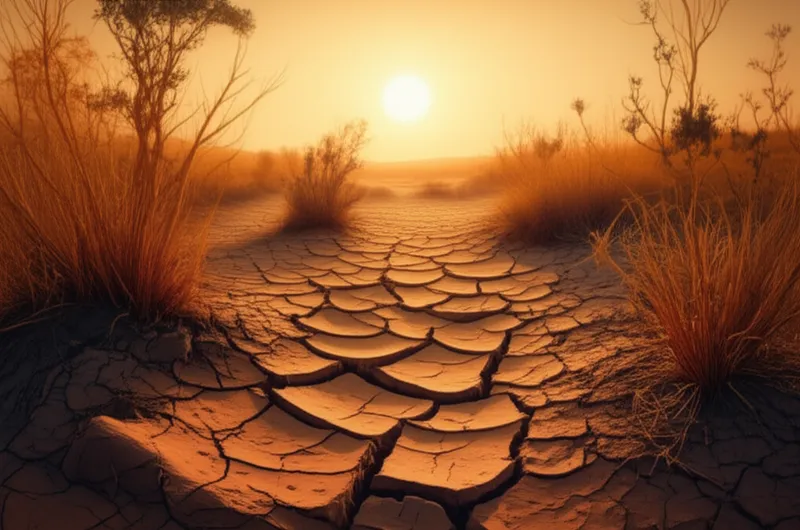
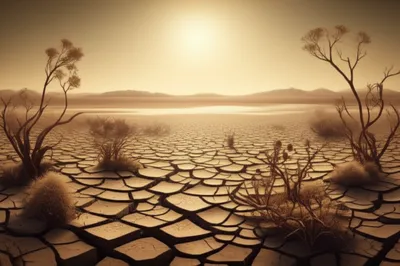
adjectiveπShareDry."The desert air was so parched that the plants were withered and brown. "weatherconditionenvironmentChat with AIVocabulary GamePractice Reading
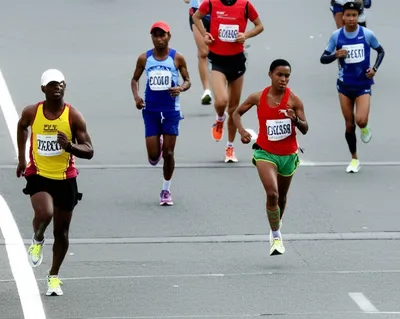
adjectiveπShareVery thirsty."After running the marathon, the runner felt terribly parched. "physiologybodysensationconditionChat with AIVocabulary GamePractice Reading