


BeDict Logo

remainder

/ɹəˈmeɪndə/ /ɹəˈmeɪndɚ/
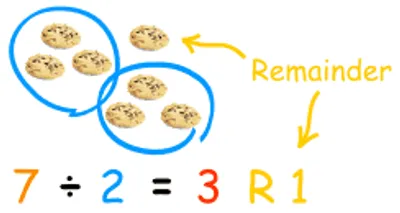
Visual illustration of remainder: The amount left over after subtracting the divisor as many times as possible from the dividend without producing a negative result. If (n) (dividend) and d (divisor) are integers, then (n) can always be expressed in the form n = dq + r, where q (quotient) and r (remainder) are also integers and 0 ≤ r < d. - Image 1
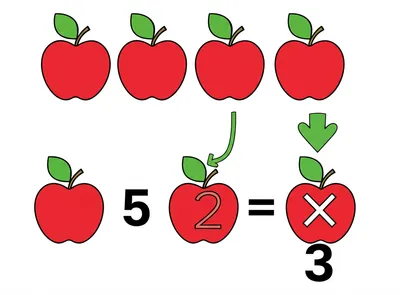
remainder: The amount left over after subtracting the divisor as many times as possible from the dividend without producing a negative result. If (n) (dividend) and d (divisor) are integers, then (n) can always be expressed in the form n = dq + r, where q (quotient) and r (remainder) are also integers and 0 ≤ r < d. - Thumbnail 1

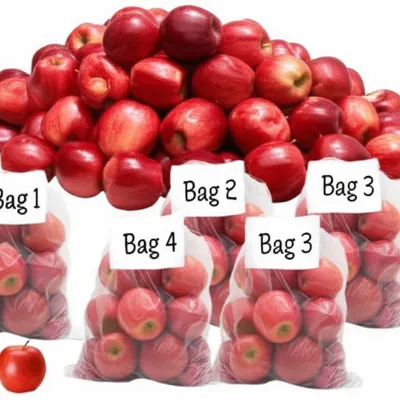
remainder: The amount left over after subtracting the divisor as many times as possible from the dividend without producing a negative result. If (n) (dividend) and d (divisor) are integers, then (n) can always be expressed in the form n = dq + r, where q (quotient) and r (remainder) are also integers and 0 ≤ r < d. - Thumbnail 2

noun

The amount left over after subtracting the divisor as many times as possible from the dividend without producing a negative result. If (n) (dividend) and d (divisor) are integers, then (n) can always be expressed in the form n = dq + r, where q (quotient) and r (remainder) are also integers and 0 ≤ r < d.