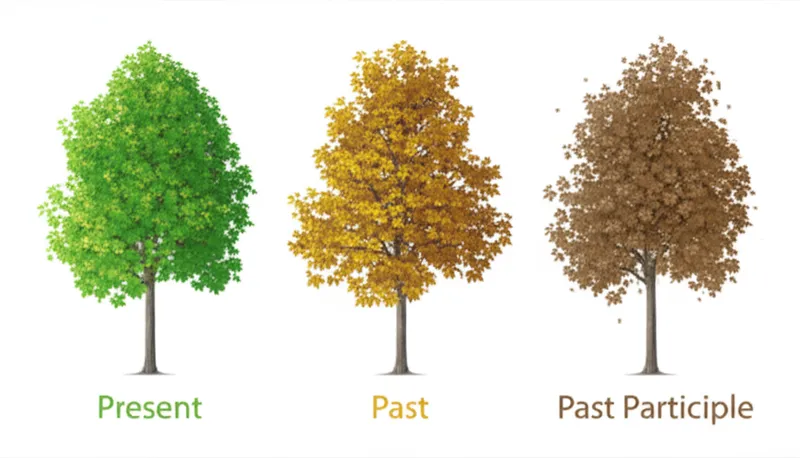


noun🔗Shareएक मूल स्वर का दूसरे से प्रतिस्थापन, इस प्रकार उपयोग या अर्थ के अनुरूप संशोधन का संकेत मिलता है; स्वर क्रमपरिवर्तन; जैसे, get और got; sing और song; hang और hung, जो बाद के स्वर के ध्वन्यात्मक प्रभाव से अलग है।The substitution of one root vowel for another, thus indicating a corresponding modification of use or meaning; vowel permutation; as, get and got; sing and song; hang and hung, distinct from the phonetic influence of a succeeding vowel."The English verb conjugations "swim, swam, swum" provide a clear example of ablauts. "अंग्रेजी क्रिया संयुग्मन "swim, swam, swum" ablauts का एक स्पष्ट उदाहरण प्रदान करते हैं।languagelinguisticsgrammarphoneticswordChat with AIVocabulary GamePractice Reading
verb🔗Shareस्वर परिवर्तन होना(of a vowel-containing linguistic component) To undergo a change of vowel."In English class, we learned that the vowel in the word "sing" ablauts to "sang" in the past tense and then to "sung" in the past participle. "अंग्रेजी कक्षा में, हमने सीखा कि 'sing' शब्द में स्वर भूतकाल में 'sang' और भूतकालिक कृदंत में 'sung' में बदल जाता है।languagelinguisticsphoneticsgrammarwordChat with AIVocabulary GamePractice Reading
verb🔗Shareस्वर बदलने का कारण बननाTo cause to change a vowel."The language teacher ablauts "sing" to "sang" when explaining irregular verb conjugations to her students. "भाषा शिक्षक अपने छात्रों को अनियमित क्रिया संयुग्मन समझाते समय "sing" को "sang" में बदल देती है।languagelinguisticsphoneticsChat with AIVocabulary GamePractice Reading