

bissextile
Meanings

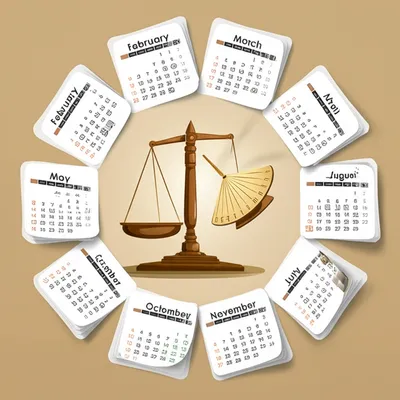
अधिवर्ष
Examples :
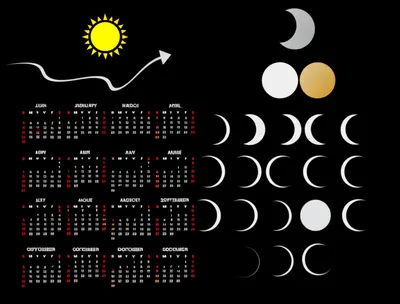
अधिवर्ष
Examples :
Related Words

intercalary adjective
/ɪnˈtɝː.kə.lɛɹ.i/
अतिरिक्त, अंतर्वेशित
चूंकि फरवरी में आमतौर पर 28 दिन होते हैं, इसलिए एक लीप वर्ष में 29 फरवरी को जोड़ा गया दिन कैलेंडर वर्ष और सूर्य के चारों ओर पृथ्वी की वास्तविक कक्षा के बीच के मामूली अंतर की भरपाई करता है।

traditionally adverb
/tɹəˈdɪʃənli/
परंपरागत रूप से
मेरा परिवार परंपरागत रूप से जन्मदिन एक बड़े भोजन के साथ मनाता है।

particularly adverb
/pəˈtɪkjəli/ /pəˈtɪkjəlɚli/
विशेष रूप से, खास तौर पर
"The apéritifs were particularly stimulating."
एपेरिटिफ़ विशेष रूप से उत्तेजक थे।
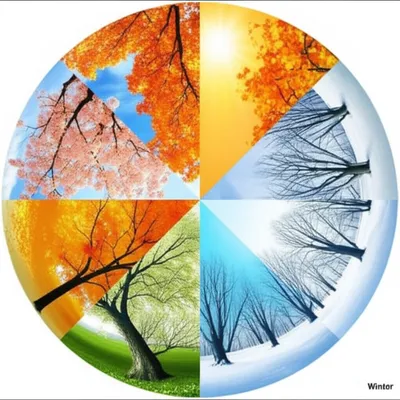
quadrennial noun
/ˌkwɒˈdɹɛn.i.əl/ /ˌkwɑˈdɹɛni.əl/
चौवर्षीय अवधि
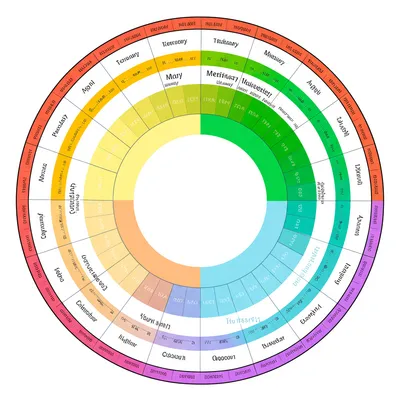






lunisolar adjective
/ˌluːniˈsoʊlər/
चन्द्र-सौर
चीनी नव वर्ष एक चंद्र-सौर कैलेंडर के अनुसार मनाया जाता है, जिसका अर्थ है कि इसकी तिथि चंद्रमा के चक्रों और वर्ष में सूर्य की स्थिति दोनों से निर्धारित होती है।

agricultural noun
/ˌæɡɹɪˈkʌltjʊəɹəl/ /ˌæɡɹɪˈkʌlt͡ʃəɹəl/