
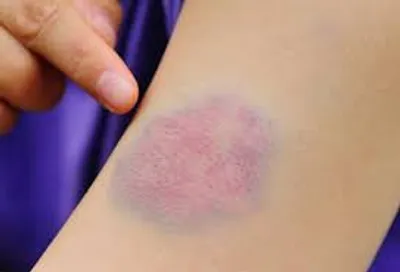
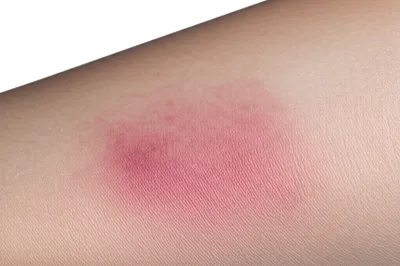
noun🔗Shareचोट, नीलA purplish mark on the skin due to leakage of blood from capillaries under the surface that have been damaged by a blow."The soccer player had a large bruise on his shin after the game. "फुटबॉल खिलाड़ी को खेल के बाद उसकी पिंडली पर एक बड़ा नील था।medicinebodyphysiologyanatomymarkconditionChat with AIVocabulary GamePractice Reading
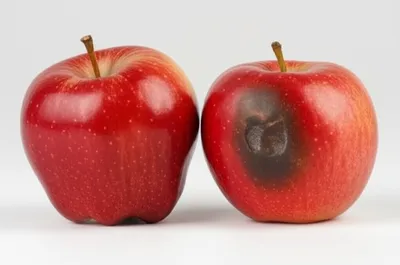
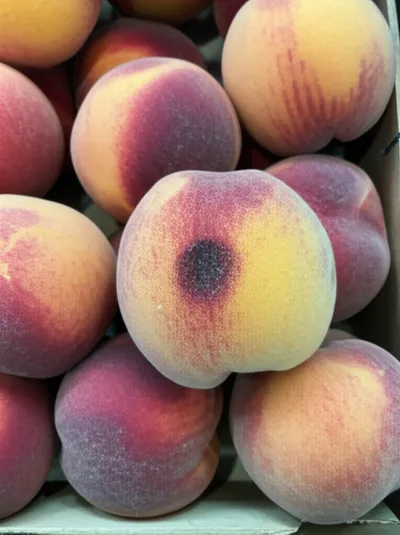
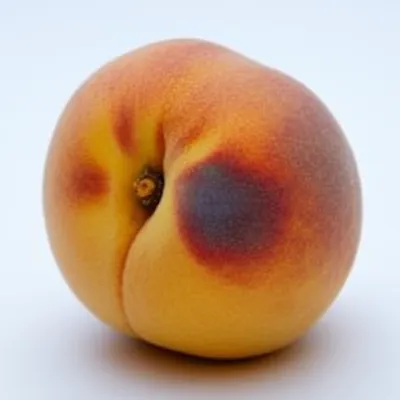
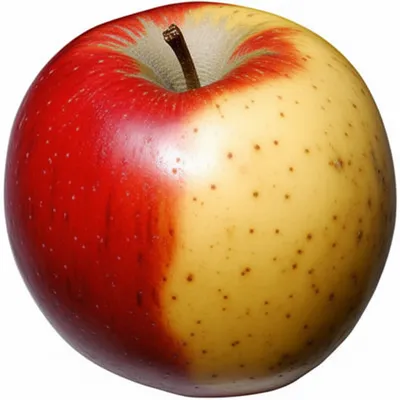
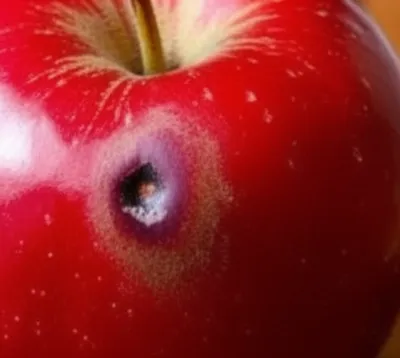
noun🔗Shareचोट का निशान, नीलA dark mark on fruit or vegetables caused by a blow to the surface."The apple had a brown bruise where it had fallen from the tree. "सेब पर एक भूरा नील था जहाँ वह पेड़ से गिरा था।fruitvegetableappearancemarkChat with AIVocabulary GamePractice Reading
verb🔗Shareचोट पहुँचाना, नील पड़नाTo strike (a person), originally with something flat or heavy, but now specifically in such a way as to discolour the skin without breaking it."The bully bruised his classmate's arm during the schoolyard fight. "गुंडे ने स्कूल के मैदान में हुई लड़ाई के दौरान अपने सहपाठी की बांह पर नील पड़ दिया।bodymedicineanatomyphysiologyappearanceChat with AIVocabulary GamePractice Reading
verb🔗Shareनुकसान पहुँचाना, चोट पहुँचानाTo damage the skin of (fruit or vegetables), in an analogous way."The clumsy delivery boy bruised the side of the ripe tomatoes he was carrying. "अनाड़ी डिलीवरी बॉय ने ले जा रहे पके टमाटरों के किनारे को नुकसान पहुंचाया।fruitvegetableChat with AIVocabulary GamePractice Reading
verb🔗Shareचोट लगना, छिल जानाOf fruit or vegetables, to gain bruises through being handled roughly."Bananas bruise easily."केले आसानी से छिल जाते हैं।fruitvegetablefoodChat with AIVocabulary GamePractice Reading
verb🔗Shareचोट लगना, नील पड़नाTo become bruised."I bruise easily."मुझे आसानी से चोट लग जाती है।bodymedicinemarkChat with AIVocabulary GamePractice Reading
verb🔗Shareमुक्केबाज़ी करना, मुक्के से लड़नाTo fight with the fists; to box."The two brothers often bruised each other during their after-school games. "दोनों भाई अक्सर स्कूल के बाद के खेलों के दौरान एक-दूसरे को मुक्के मारते थे।sportactionChat with AIVocabulary GamePractice Reading