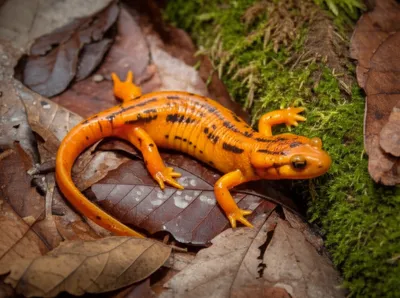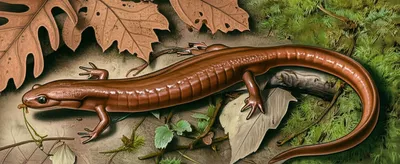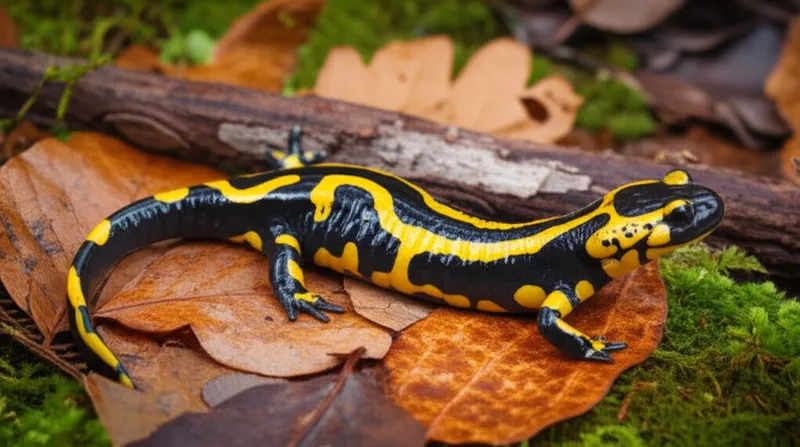

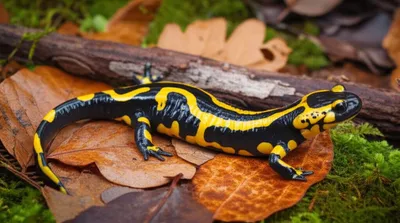


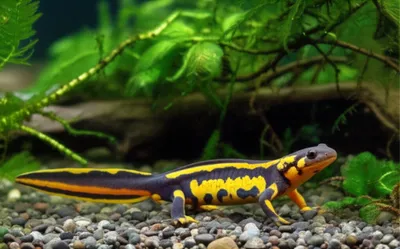
noun🔗ShareकौडेटAny member of the Caudata order of amphibians."The zoology student learned that a salamander is a type of caudate, characterized by its tail and amphibian nature. "प्राणी विज्ञान के छात्र ने सीखा कि एक सैलामैंडर कौडेट का एक प्रकार है, जो अपनी पूंछ और उभयचर प्रकृति से पहचाना जाता है।animalbiologyorganismnatureChat with AIVocabulary GamePractice Reading
adjective🔗Shareपुच्छल, पूंछ जैसा विस्तार लिए हुएTapering into a long, tail-like extension at the apex."The artist's sculpted figure had a caudate tail, tapering smoothly to a long, pointed end. "कलाकार की मूर्तिकला आकृति में एक पुच्छल पूंछ थी, जो एक लंबी, नुकीली नोक तक सुचारू रूप से संकीर्ण होती थी।appearancebiologyorganismanatomyChat with AIVocabulary GamePractice Reading
adjective🔗Shareपुच्छल, पूँछदारHaving a tail."The comet streaked across the night sky, its caudate form leaving a bright trail behind it. "धूमकेतु रात के आकाश में चमकता हुआ गया, जिसका पुच्छल रूप अपने पीछे एक चमकदार निशान छोड़ गया।animalanatomybiologyChat with AIVocabulary GamePractice Reading
adjective🔗ShareकौडेटOf or pertaining to the Caudata order of amphibians."The caudate amphibians, like salamanders, often require moist environments to thrive. "कौडेट उभयचर, जैसे कि सैलामैंडर, अक्सर पनपने के लिए नम वातावरण की आवश्यकता होती है।organismanimalbiologynatureChat with AIVocabulary GamePractice Reading
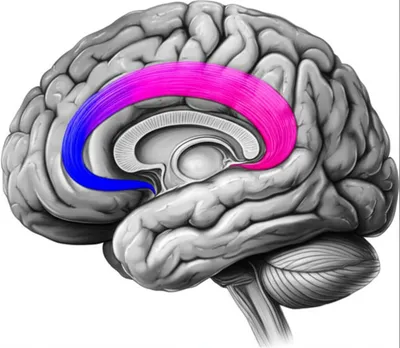
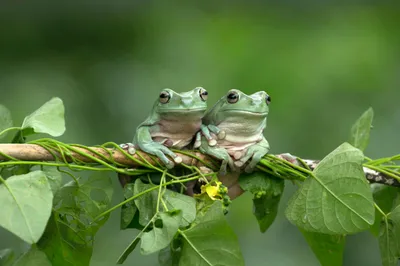
adjective🔗Shareपुच्छल, पूँछ जैसाIndicates an anatomical structure with a tail-like extension, such as the Caudate nucleus."The frog's tadpole form has a caudate body, clearly showing a tail. "मेंढक के टेडपोल रूप में एक पुच्छल शरीर होता है, जो स्पष्ट रूप से पूंछ दिखाता है।anatomybodyorganChat with AIVocabulary GamePractice Reading