

verb🔗Shareप्राप्त करना, निकालनाTo obtain or receive (something) from something else."The students derived their knowledge about the Roman Empire from the textbook. "छात्रों ने रोमन साम्राज्य के बारे में अपनी जानकारी पाठ्यपुस्तक से प्राप्त की।sciencebusinesseconomyessentialtoeflChat with AIVocabulary GamePractice Reading
verb🔗Shareनिष्कर्ष निकालना, अनुमान लगानाTo deduce (a conclusion) by reasoning."From the clues in the text, we can derive the conclusion that the author is worried about the upcoming exam. "पाठ में दिए गए सुरागों से, हम इस निष्कर्ष पर पहुँच सकते हैं कि लेखक आगामी परीक्षा के बारे में चिंतित है।logicphilosophytheoryessentialtoeflChat with AIVocabulary GamePractice Reading
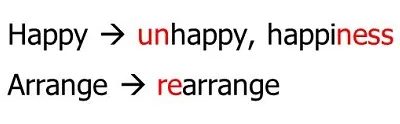
verb🔗Shareव्युत्पत्ति ज्ञात करना (किसी शब्द या वाक्यांश की)To find the derivation of (a word or phrase)."The student derived the etymology of the word "optimistic" from a dictionary. "छात्र ने शब्द "आशावादी" की व्युत्पत्ति एक शब्दकोश से ज्ञात की।languagelinguisticswordwritingessentialtoeflChat with AIVocabulary GamePractice Reading
verb🔗Shareव्युत्पन्न करना, प्राप्त करनाTo create (a compound) from another by means of a reaction."Scientists derived a new type of fertilizer from seaweed. "वैज्ञानिकों ने समुद्री शैवाल से एक नए प्रकार का उर्वरक व्युत्पन्न किया।chemistrycompoundsubstancescienceessentialtoeflChat with AIVocabulary GamePractice Reading
verb🔗Shareउत्पन्न होना, प्राप्त करनाTo originate or stem (from)."The children's enthusiasm for learning derives from their supportive parents. "बच्चों का सीखने के प्रति उत्साह उनके सहायक माता-पिता से उत्पन्न होता है।languagelinguisticshistoryessentialtoeflChat with AIVocabulary GamePractice Reading
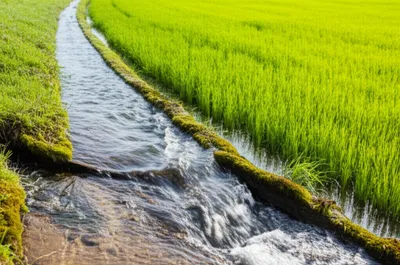
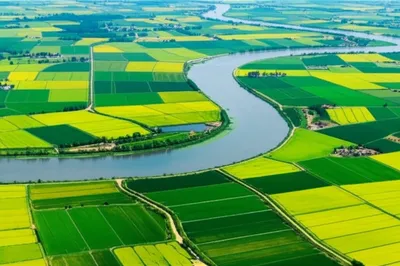
verb🔗Shareमोड़ना, बदलनाTo turn the course of (water, etc.); to divert and distribute into subordinate channels."The irrigation system derives the river's water into smaller canals to water the crops. "सिंचाई प्रणाली फसलों को पानी देने के लिए नदी के पानी को छोटी नहरों में मोड़ती है।utilityagricultureenvironmentessentialtoeflChat with AIVocabulary GamePractice Reading