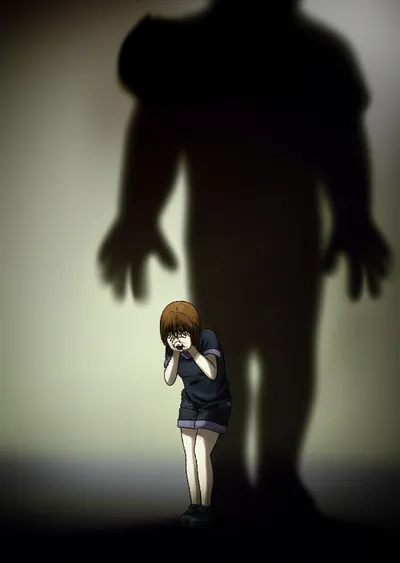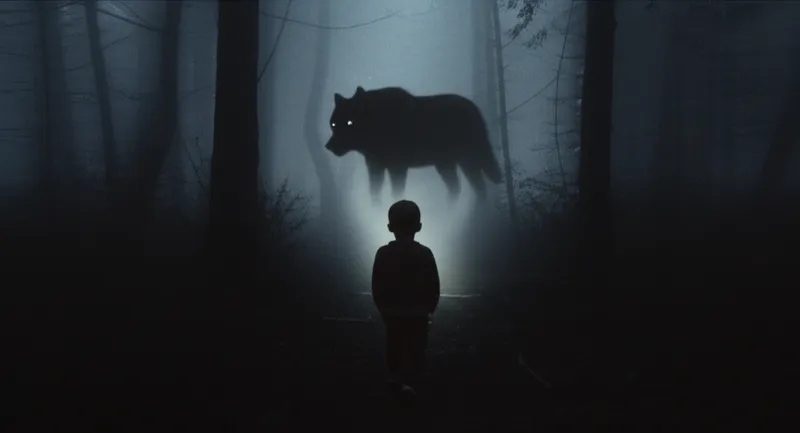


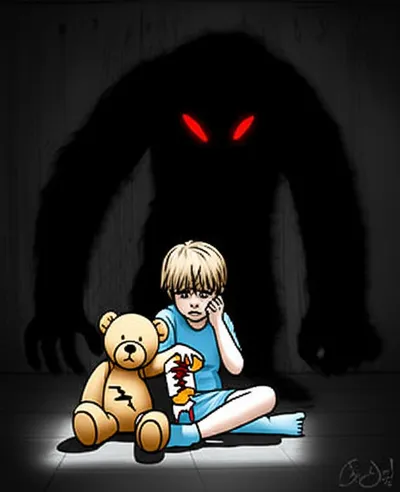

noun🔗Shareखतरा, धमकीA perceived threat or danger."Loud noises at night are often menaces to sleeping children. "रात में तेज़ शोर अक्सर सोते हुए बच्चों के लिए खतरा होता है।negativesituationsocietywarpoliticsstatepoliceactionChat with AIVocabulary GamePractice Reading
noun🔗ShareधमकीThe act of threatening."The bully's menaces made the younger children afraid to go outside during recess. "गुंडे की धमकियों ने छोटे बच्चों को मध्यांतर के दौरान बाहर जाने से डरा दिया।actionpolicelawmilitarygovernmentChat with AIVocabulary GamePractice Reading
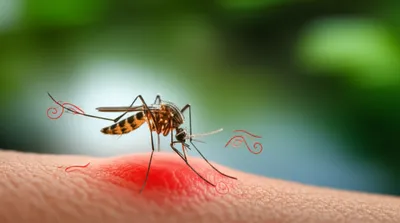
noun🔗Shareखतरा, उपद्रवAn annoying and bothersome person or thing.""Mosquitoes are menaces, especially during the summer evenings." "मच्छर एक उपद्रव हैं, खासकर गर्मियों की शाम के दौरान।personthingcharacterChat with AIVocabulary GamePractice Reading
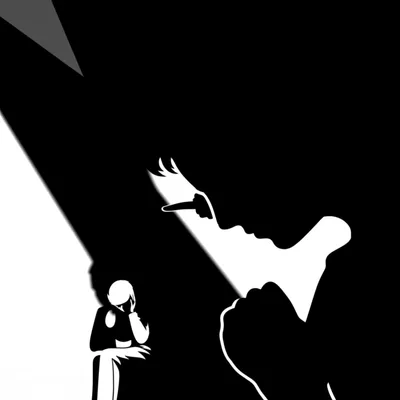
verb🔗Shareधमकी देना, डरानाTo make threats against (someone); to intimidate."to menace a country with war"किसी देश को युद्ध की धमकी देना।actioncommunicationpolicelawsocietymilitarywarChat with AIVocabulary GamePractice Reading
verb🔗Shareधमकी देना, डरानाTo threaten (an evil to be inflicted)."The bully menaces younger children on the playground. "गुंडा खेल के मैदान में छोटे बच्चों को धमकाता है।actionpolicemilitarywarsocietylawChat with AIVocabulary GamePractice Reading
verb🔗Shareधमकी देना, खतरे में डालनाTo endanger (someone or something); to imperil or jeopardize."Heavy rain menaces the crops, threatening the farmers' livelihood. "भारी बारिश फसलों को खतरे में डालती है, जिससे किसानों की आजीविका को खतरा है।actionsituationeventChat with AIVocabulary GamePractice Reading