






noun🔗Shareथोड़ा समय, थोड़ी दूरीA short time or short distance."The wee bit of time before lunch was enough to finish my homework. "दोपहर के भोजन से पहले थोड़ा समय मेरे होमवर्क को पूरा करने के लिए पर्याप्त था।timeamountplaceChat with AIVocabulary GamePractice Reading
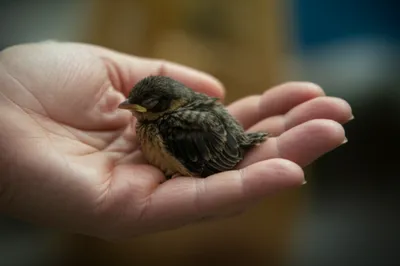
adjective🔗Shareछोटा, नन्हाSmall, little."You looked a little cold, so I lit a wee fire."तुम थोड़े ठंडे लग रहे थे, इसलिए मैंने एक छोटी सी आग जलाई।amountqualityChat with AIVocabulary GamePractice Reading
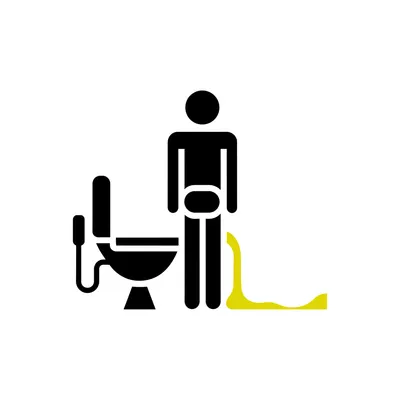
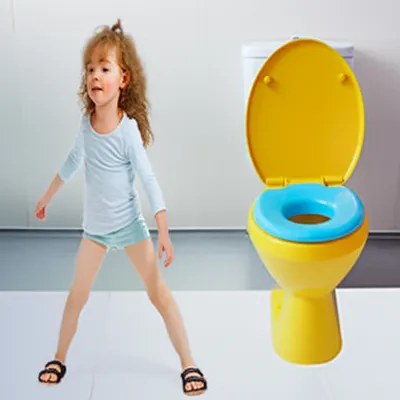
noun🔗Shareमूत्र, पेशाबUrine."The dog had an accident and left a puddle of wee on the rug. "कुत्ते का एक्सीडेंट हो गया और उसने कालीन पर पेशाब का एक पोखर छोड़ दिया।bodyphysiologyChat with AIVocabulary GamePractice Reading
noun🔗Shareपेशाब, मूत्रAn act of urination."I need to have a wee"मुझे पेशाब करना है।bodyphysiologyfunctionChat with AIVocabulary GamePractice Reading
verb🔗Shareपेशाब करनाTo urinate."The dog wee'd on the front porch again. "कुत्ते ने फिर से सामने के बरामदे में पेशाब कर दिया।physiologybodysexhumanmedicineanimalChat with AIVocabulary GamePractice Reading
pronoun🔗Shareहम(personal) The speakers/writers, or the speaker/writer and at least one other person (not the person being addressed). (This is the exclusive we.)"We are going to the park after school today. "हम आज स्कूल के बाद पार्क जा रहे हैं।grammarlanguagewordlinguisticsChat with AIVocabulary GamePractice Reading
pronoun🔗Shareहम(personal) The speaker(s)/writer(s) and the person(s) being addressed. (This is the inclusive we.)""If wee work together on this project, I'm sure wee can finish it on time." "अगर हम इस परियोजना पर एक साथ काम करते हैं, तो मुझे यकीन है कि हम इसे समय पर पूरा कर सकते हैं।grammarlanguagelinguisticswordpersonChat with AIVocabulary GamePractice Reading
pronoun🔗Shareमैं(personal) The speaker/writer alone. (This use of we is the editorial we, used by writers and others, including royalty—the royal we—as a less personal substitute for I. The reflexive case of this sense of we is ourself.)"After careful consideration, wee believe this new policy will benefit all employees. "विचारपूर्वक विचार करने के बाद, मैं मानता हूँ कि यह नई नीति सभी कर्मचारियों को लाभान्वित करेगी।languagegrammarwritingChat with AIVocabulary GamePractice Reading
pronoun🔗Shareहम(personal) The plural form of you, including everyone being addressed."How are we all tonight?"आज रात हम सब कैसे हैं?languagegrammarwordlinguisticsChat with AIVocabulary GamePractice Reading
pronoun🔗Shareतुम(personal, often considered patronising) A second- or third-person pronoun for a person in the speaker's care."How are we feeling this morning?"आज सुबह तुम कैसा महसूस कर रहे हो?languagelinguisticsgrammarwordpersonChat with AIVocabulary GamePractice Reading