



BeDict Logo

citrus

/ˈsɪ.tɹəs/
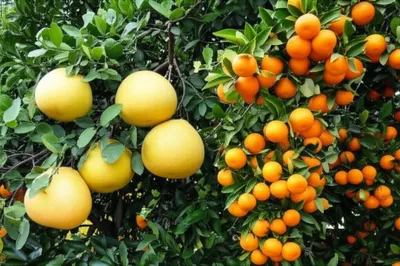
Visual illustration of citrus: The fruit of such plants, generally spherical, oblate, or prolate, consisting of an outer glandular skin (called zest), an inner white skin (called pith or albedo), and generally between 8 and 16 sectors filled with pulp consisting of cells with one end attached to the inner skin. Citrus fruits include orange, grapefruit, lemon, lime, and citron. - Image 1
citrus: The fruit of such plants, generally spherical, oblate, or prolate, consisting of an outer glandular skin (called zest), an inner white skin (called pith or albedo), and generally between 8 and 16 sectors filled with pulp consisting of cells with one end attached to the inner skin. Citrus fruits include orange, grapefruit, lemon, lime, and citron. - Thumbnail 1
citrus: The fruit of such plants, generally spherical, oblate, or prolate, consisting of an outer glandular skin (called zest), an inner white skin (called pith or albedo), and generally between 8 and 16 sectors filled with pulp consisting of cells with one end attached to the inner skin. Citrus fruits include orange, grapefruit, lemon, lime, and citron. - Thumbnail 2
noun

The fruit of such plants, generally spherical, oblate, or prolate, consisting of an outer glandular skin (called zest), an inner white skin (called pith or albedo), and generally between 8 and 16 sectors filled with pulp consisting of cells with one end attached to the inner skin. Citrus fruits include orange, grapefruit, lemon, lime, and citron.