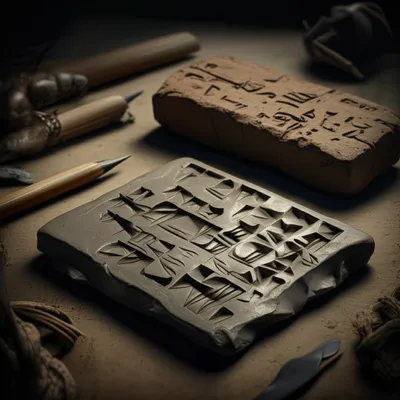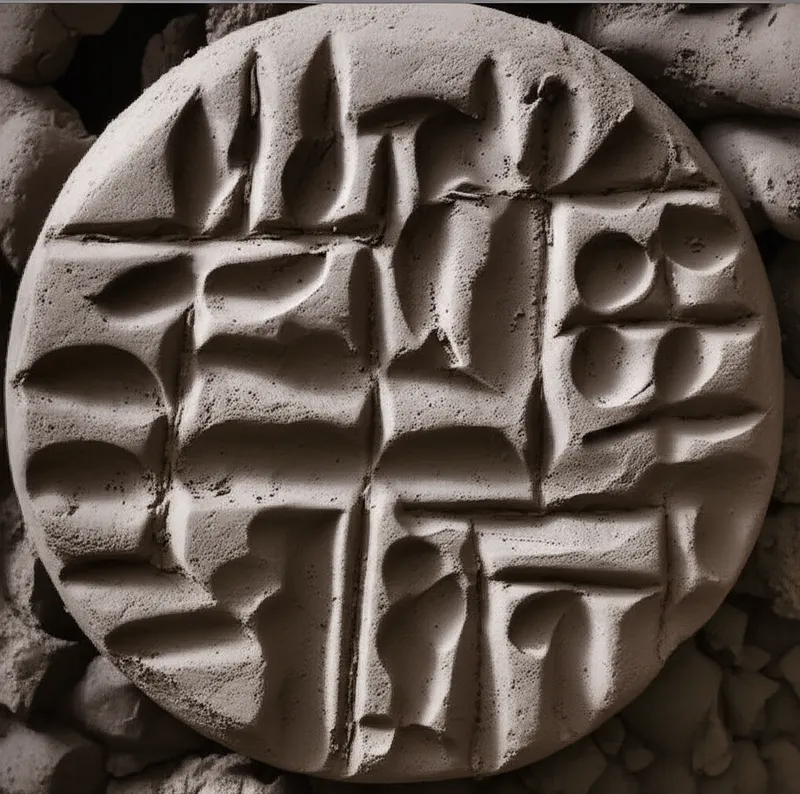

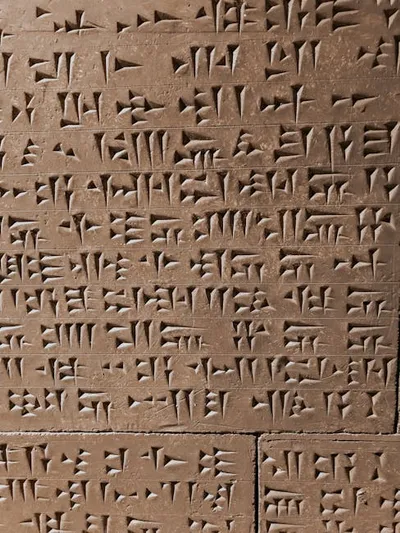
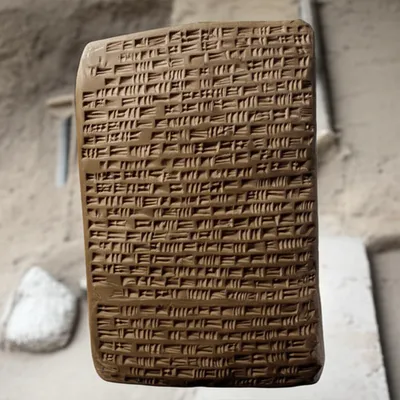
noun🔗Shareकीलाकार लिपिAn ancient Mesopotamian writing system, adapted within several language families, originating as pictograms in Sumer around the 30th century BC, evolving into more abstract and characteristic wedge shapes formed by a blunt reed stylus on clay tablets."The museum exhibit displayed a clay tablet covered in ancient cuneiform. "संग्रहालय प्रदर्शनी में प्राचीन कीलाकार लिपि से ढकी एक मिट्टी की पट्टिका प्रदर्शित की गई।writinghistoryarchaeologylanguageculturecommunicationChat with AIVocabulary GamePractice Reading
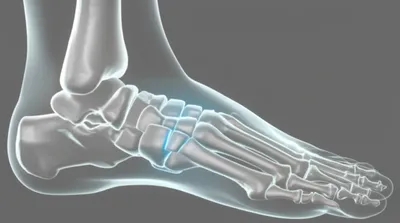
noun🔗Shareशंक्वाकार हड्डीA wedge-shaped bone, especially a cuneiform bone."The doctor examined the X-ray to check for any fractures in the patient's cuneiform. "डॉक्टर ने मरीज के शंक्वाकार हड्डी में किसी भी फ्रैक्चर की जांच के लिए एक्स-रे की जांच की।anatomybodypartChat with AIVocabulary GamePractice Reading
adjective🔗ShareकीलाकारHaving the form of a wedge; wedge-shaped, especially with a tapered end."The ancient Sumerians wrote on clay tablets using a cuneiform script, where each character was formed by pressing a wedge-shaped stylus into the soft clay. "प्राचीन सुमेरियन लोगों ने कीलाकार लिपि का उपयोग करके मिट्टी की गोलियों पर लिखा, जहाँ प्रत्येक अक्षर को नरम मिट्टी में एक कील के आकार की कलम दबाकर बनाया गया था।archaeologywritinghistorylanguageChat with AIVocabulary GamePractice Reading
adjective🔗Shareकीलाकार लिपि में लिखा गयाWritten in the cuneiform writing system."The clay tablet contained cuneiform writing, which scholars are still working to decipher. "मिट्टी की पटिया में कीलाकार लिपि में लिखावट थी, जिसे विद्वान अभी भी समझने की कोशिश कर रहे हैं।writinglanguagehistoryarchaeologyChat with AIVocabulary GamePractice Reading