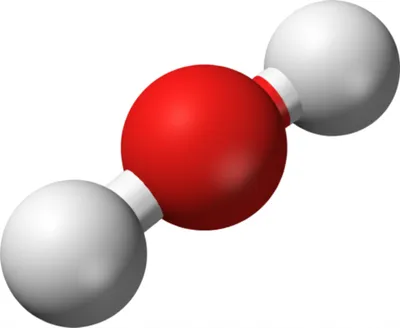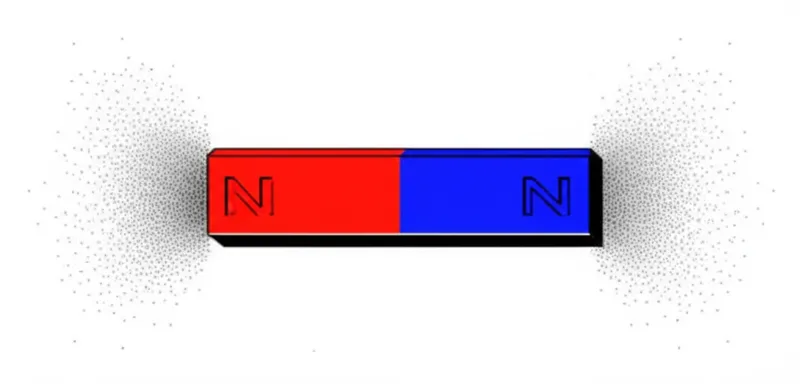

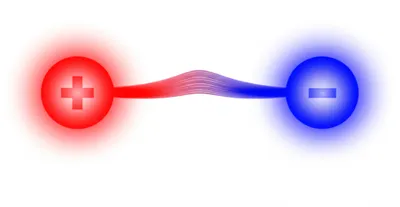
noun🔗Shareद्विध्रुवAny object (such as a magnet, polar molecule or antenna) that is oppositely charged at two points (or poles)"The tiny water molecules act like dipoles, with one end slightly positive and the other slightly negative, allowing them to stick to each other. "छोटे पानी के अणु द्विध्रुवों की तरह कार्य करते हैं, जिसमें एक सिरा थोड़ा धनात्मक और दूसरा थोड़ा ऋणात्मक होता है, जिससे वे एक दूसरे से चिपक सकते हैं।physicsenergyelectronicsdevicepointChat with AIVocabulary GamePractice Reading
noun🔗Shareद्विध्रुवAny molecule or radical that has delocalised positive and negative charges"Water molecules are dipoles because oxygen attracts electrons more strongly than hydrogen, creating a slightly negative charge on the oxygen side and slightly positive charges on the hydrogen sides. "पानी के अणु द्विध्रुव हैं क्योंकि ऑक्सीजन हाइड्रोजन की तुलना में इलेक्ट्रॉनों को अधिक मजबूती से आकर्षित करता है, जिससे ऑक्सीजन की तरफ थोड़ा नकारात्मक आवेश और हाइड्रोजन की तरफ थोड़ा सकारात्मक आवेश बनता है।chemistryphysicssubstanceChat with AIVocabulary GamePractice Reading
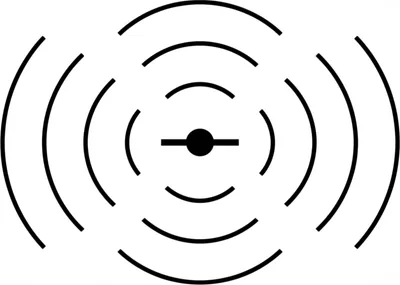
noun🔗Shareद्विध्रुवीय एंटीनाA dipole antenna"The radio enthusiast built several dipoles of different lengths to improve the reception of various frequencies. "रेडियो उत्साही ने विभिन्न आवृत्तियों के रिसेप्शन को बेहतर बनाने के लिए विभिन्न लंबाई के कई द्विध्रुवीय एंटीना बनाए।technologyelectronicsphysicsdevicesignalcommunicationmachineelectricChat with AIVocabulary GamePractice Reading