


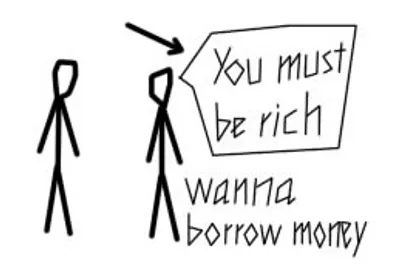
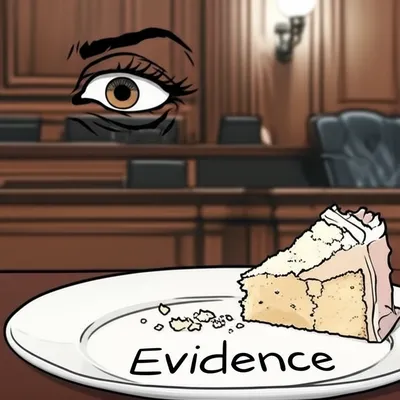
noun🔗Shareव्यंग्य, कटाक्षA derogatory hint or reference to a person or thing. An implication, intimation or insinuation."She made a devious innuendo about her husband, who was embarrassed."उसने अपने पति के बारे में एक कपटी व्यंग्य किया, जो शर्मिंदा था।communicationlanguagecharacterwordsocietyChat with AIVocabulary GamePractice Reading
noun🔗Shareव्यंग्य, कटाक्षA rhetorical device with an omitted, but obvious conclusion, made to increase the force of an argument."During the school debate, Sarah used an innuendo about her opponent's lack of research, implying that their arguments were weak. "स्कूल की बहस के दौरान, सारा ने अपने प्रतिद्वंद्वी की शोध की कमी के बारे में एक व्यंग्य का इस्तेमाल किया, जिससे यह संकेत मिला कि उनके तर्क कमजोर थे।languagecommunicationliteraturewritingChat with AIVocabulary GamePractice Reading
noun🔗Shareव्यंग्य, कटाक्षPart of a pleading in cases of libel and slander, pointing out what and whom was meant by the libellous matter or description."The innuendo in the letter to the editor clearly pointed to the specific teacher, not the whole department, as the subject of the criticism. "संपादक को लिखे पत्र में व्यंग्य ने स्पष्ट रूप से आलोचना के विषय के रूप में पूरे विभाग को नहीं, बल्कि विशिष्ट शिक्षक को इंगित किया।lawlanguagecommunicationmediaChat with AIVocabulary GamePractice Reading
verb🔗Shareइशारा करना, कटाक्ष करनाTo interpret (something libellous or slanderous) in terms of what was implied."The teacher innuendoed the student's comments about the test, interpreting them as a complaint about the teacher's teaching methods, even though the student had only been suggesting a few questions were unclear. "शिक्षक ने परीक्षा के बारे में छात्र की टिप्पणियों पर कटाक्ष किया, उन्हें शिक्षक की शिक्षण विधियों के बारे में शिकायत के रूप में व्याख्यायित किया, भले ही छात्र केवल यह सुझाव दे रहा था कि कुछ प्रश्न अस्पष्ट थे।communicationlanguagewordsocietystatementlawactionChat with AIVocabulary GamePractice Reading