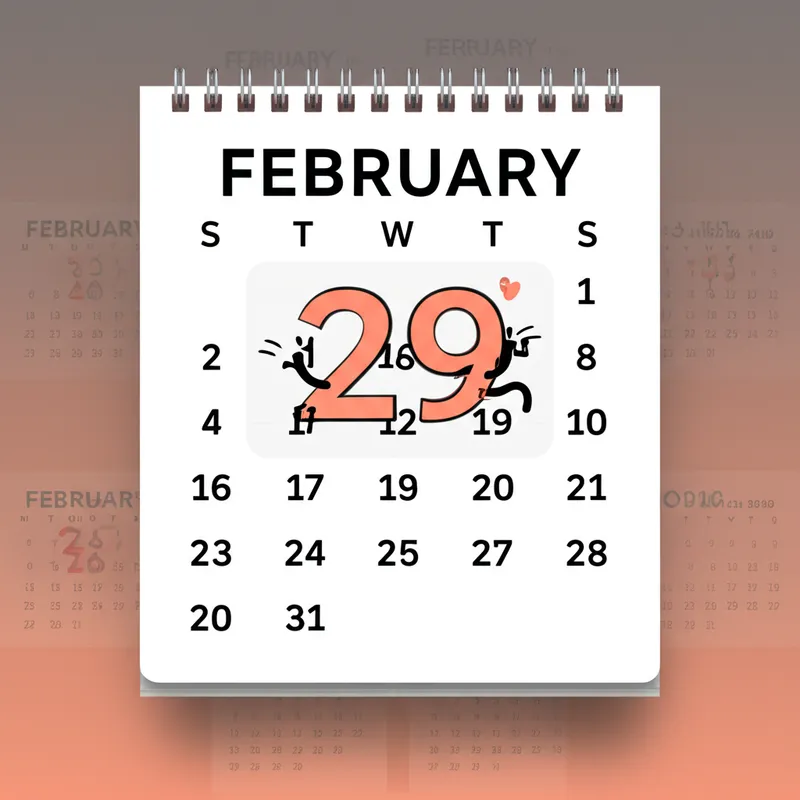


adjective🔗Share闰年, 闰日的. Having an intercalary day, particularly the quadrennial leap day of the Julian and Gregorian calendars traditionally placed as a "second sixth" day before March 1st."The year 2024 is a bissextile year, meaning February has 29 days instead of 28. "2024年是闰年,也就是说二月不是28天,而是有29天。timenumberastronomyhistoryChat with AIVocabulary GamePractice Reading
noun🔗Share闰年 A year in the Julian or Gregorian calendars with an intercalary day added to February, used to adjust for the extra hours of the solar year; a 366-day year."Because 2024 was a bissextile, February had 29 days instead of 28. "由于2024年是闰年,所以二月有29天,而不是28天。timeastronomynumberhistoryChat with AIVocabulary GamePractice Reading
noun🔗Share闰年 (inexact) Any other year featuring intercalation, such as a year in a lunisolar calendar with 13 months instead of 12, used to maintain its alignment with the seasons of the solar year."The Hebrew calendar uses a bissextile every few years, adding an extra month to keep its holidays aligned with the agricultural seasons. "希伯来历法每隔几年会设置一个闰年,增加一个额外的月份,以保证其节日与农业季节相符。timeastronomynumberperiodmathChat with AIVocabulary GamePractice Reading