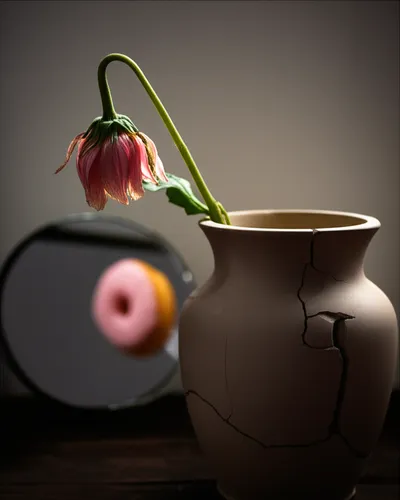
noun 下载 🔗分享 宿醉,醉酒后的不适。 Negative effects, such as headache or nausea, caused by previous drunkenness due to (excessive) consumption of alcohol. Examples : "I really enjoyed yesterday’s party, but now I have the biggest hangover – I’ll not be doing that again any time soon." 昨天的派对我玩得很开心,但现在宿醉太严重了——短期内我可不想再这样了。 medicine physiology condition body drink food sensation suffering 与AI对话词汇游戏阅读练习
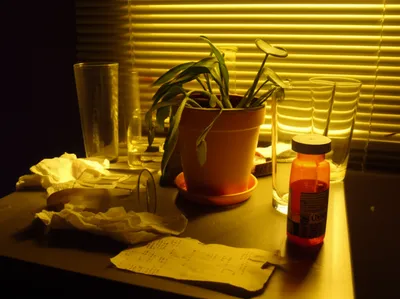
noun 下载 🔗分享 后遗症,不良反应 Similar negative effects caused by previous excessive consumption of something else, such as a drug, coffee, sugar, etc. Examples : "After finishing the big project at work, I celebrated with tons of coffee, and now I have a caffeine hangover with a headache and the jitters. " 工作上完成了那个大项目后,我喝了超多咖啡庆祝,结果现在有了咖啡因的后遗症,头痛还不停发抖。 medicine body condition sensation suffering 与AI对话词汇游戏阅读练习
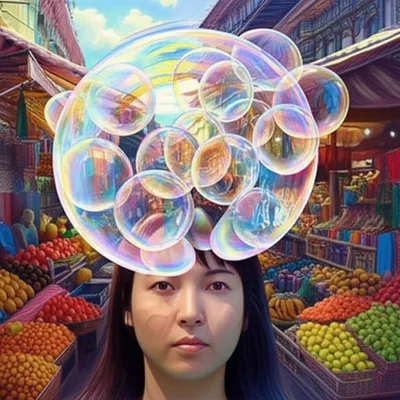
noun 下载 🔗分享 宿醉, 不良后果. An unpleasant relic left from prior events. Examples : "The overdue library book was a constant hangover from my forgetful weekend. " 那本过期的图书馆借书就像我那个健忘的周末留下的挥之不去的不良后果。 medicine body condition sensation drink 与AI对话词汇游戏阅读练习
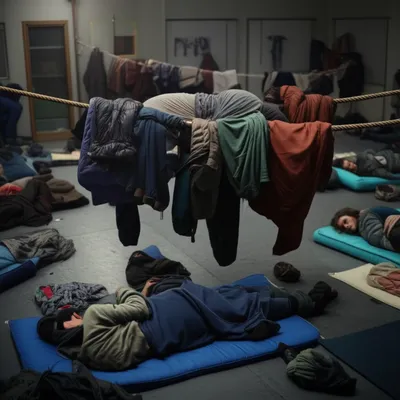
noun 下载 🔗分享 吊床 (This describes a sleeping arrangement involving hanging, which captures the image of sleeping over a rope.) A sleeping arrangement, usually in homeless shelters, over a rope. Examples : "The homeless shelter offered a simple hangout for the night, a hammock-like structure called a "hangover" made of rope. " 这家流浪者收容所提供了一个简易的过夜场所,一种用绳子做成的、类似吊床的结构,被称为“绳床”。 society condition human 与AI对话词汇游戏阅读练习