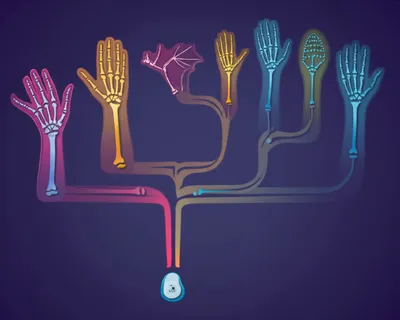
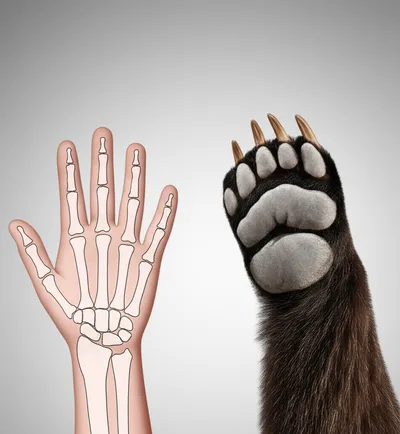
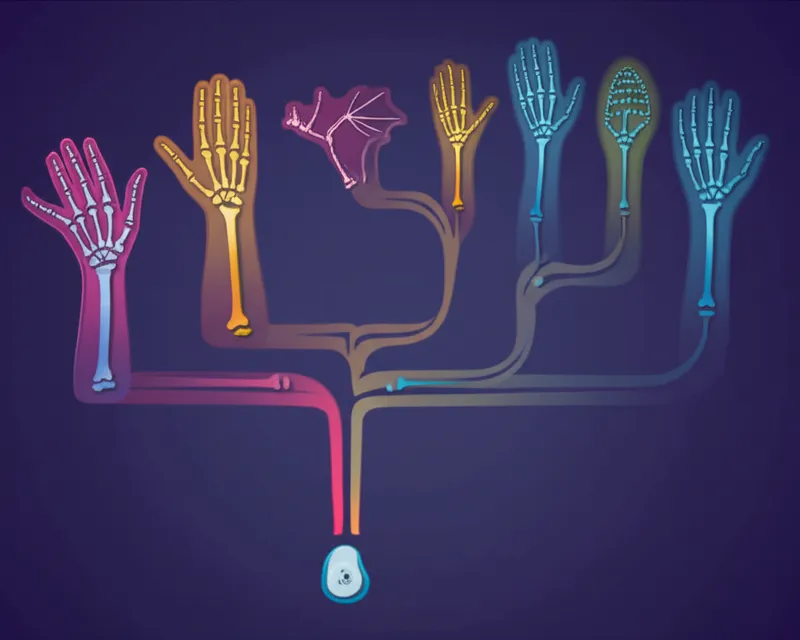
noun 下载 🔗分享 同源物, 同系物 Something homologous; a homologous organ or part, chemical compound or chromosome. Examples : "Because they share a common ancestor, the bones in a human arm and a bat's wing are considered homologs. " 由于人类手臂和蝙蝠翅膀拥有共同的祖先,因此它们里面的骨骼被认为是同源结构 (tóngyuán jiégòu) / 同源器官 (tóngyuán qìguān)。 biology medicine anatomy biochemistry science part organ chemistry organism 与AI对话词汇游戏阅读练习
noun 下载 🔗分享 同源词,对应词 A word shared by two languages or dialects. Examples : "Many English words related to family, like "father" and "mother," have clear homologs in German, such as "Vater" and "Mutter." " 许多与家庭有关的英语词汇,例如“father”和“mother”,在德语中都有明显的同源词/对应词,比如“Vater”和“Mutter”。 language linguistics word 与AI对话词汇游戏阅读练习
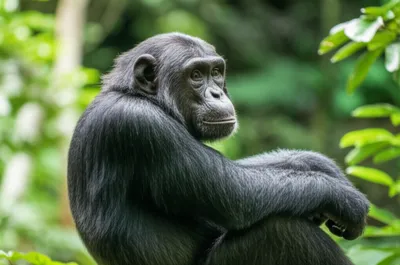
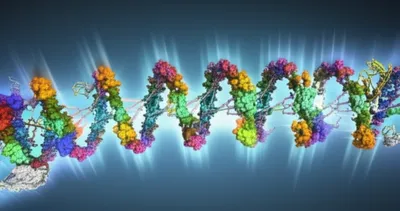
noun 下载 🔗分享 同源物,同源序列 One of a group of similar DNA sequences that share a common ancestry. Examples : "Comparing the human genome with the chimpanzee genome reveals many homologs, demonstrating their shared evolutionary history. " 将人类基因组与黑猩猩基因组进行比较,会发现许多同源序列,这有力地证明了它们共同的进化历程。 biology biochemistry organism 与AI对话词汇游戏阅读练习
noun 下载 🔗分享 同系物,同源物 A member of a homologous series. Examples : "The different types of alkanes are homologs, meaning they have similar structures and properties. " 不同类型的烷烃是同系物,也就是说它们的结构和性质很相似。 chemistry biology 与AI对话词汇游戏阅读练习