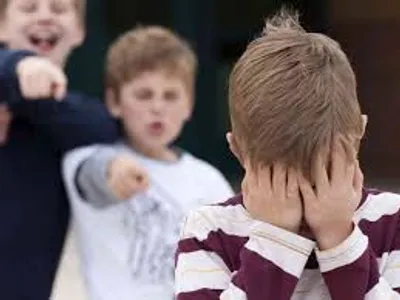

verb🔗Shareशर्मिंदा करना, लज्जित करनाTo humiliate; to disrupt somebody's composure or comfort with acting publicly or freely; to disconcert; to abash"The sudden silence during my presentation began to embarrass me, making me forget what I was going to say next. "मेरे प्रस्तुति के दौरान अचानक चुप्पी ने मुझे शर्मिंदा करना शुरू कर दिया, जिससे मैं भूल गया कि मुझे आगे क्या कहना था।emotionmindsensationhumanChat with AIVocabulary GamePractice Reading
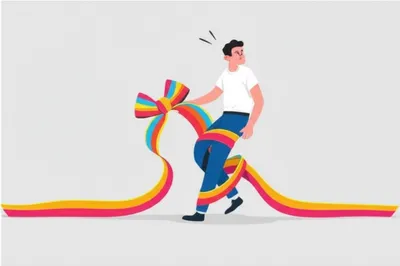
verb🔗Shareशर्मिंदा करना, लज्जित करनाTo hinder from liberty of movement; to impede; to obstruct."The motion was advanced in order to embarrass the progress of the bill."इस प्रस्ताव को विधेयक की प्रगति को शर्मिंदा करने के लिए आगे बढ़ाया गया था।actionsensationemotionChat with AIVocabulary GamePractice Reading
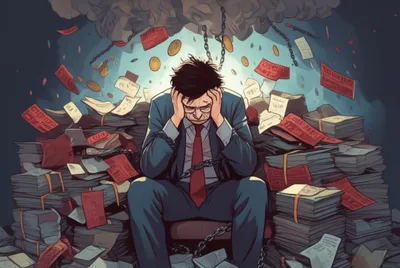
verb🔗Shareकर्ज़दार बनाना, ऋणग्रस्त करनाTo involve in difficulties concerning money matters; to encumber with debt; to beset with urgent claims or demands."A man or his business is embarrassed when he cannot meet his pecuniary engagements."एक आदमी या उसका व्यवसाय कर्ज़दार हो जाता है जब वह अपने वित्तीय दायित्वों को पूरा नहीं कर पाता है।financebusinesseconomyChat with AIVocabulary GamePractice Reading
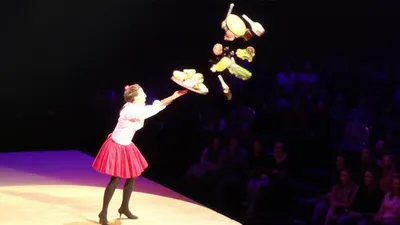
noun🔗Shareशर्मिंदगी, लज्जाThe action of the verb to embarrass; embarrassment."His clumsy attempt to juggle pencils during class caused a great deal of embarrassment. "कक्षा के दौरान पेंसिल को घुमाने का उसका भद्दा प्रयास बहुत शर्मिंदगी का कारण बना।emotionattitudecharacterhumansensationmindChat with AIVocabulary GamePractice Reading
adjective🔗Shareशर्मनाक, लज्जाजनकCausing embarrassment; leading to a feeling of uncomfortable shame or self-consciousness."Forgetting my lines during the school play was incredibly embarrassing. "स्कूल के नाटक के दौरान अपनी पंक्तियों को भूल जाना अविश्वसनीय रूप से शर्मनाक था।emotioncharacterhumanmindattitudeChat with AIVocabulary GamePractice Reading