

infinitive
Meanings

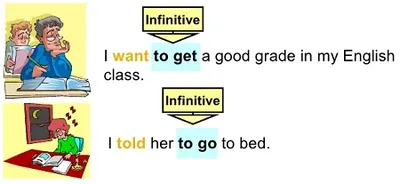

क्रिया का मूल रूप
Examples :



Examples :
Related Words
dictionary noun
/ˈdɪkʃəˌnɛɹi/ /ˈdɪkʃ(ə)n(ə)ɹi/
शब्दकोश
"To understand the word "optimistic," I looked it up in the dictionary. "
'आशावादी' शब्द को समझने के लिए, मैंने इसे शब्दकोश में देखा।


variously adverb
/ˈveːriəsli/ /ˈvæːriəsli/
विभिन्न तरीकों से, विविध रूप से
बच्चों ने आगामी स्कूल ट्रिप के बारे में विभिन्न तरीकों से अपनी उत्तेजना व्यक्त की, कुछ ऊपर-नीचे कूद रहे थे, कुछ उत्साहित होकर बातें कर रहे थे, और कुछ चुपचाप गुनगुना रहे थे।

grammatical adjective
/ɡɹəˈmætɪkəl/
व्याकरणिक, व्याकरण संबंधी
"Your writing is not grammatical enough for publication."
आपकी लिखाई प्रकाशन के लिए पर्याप्त व्याकरणिक नहीं है।

inflection noun
/ɪnˈflɛkʃən/
विभक्ति, रूप परिवर्तन

possibilities noun
/ˌpɒsɪˈbɪlitiz/ /ˌpɑsɪˈbɪlitiz/
संभावनाएँ, अवसर



constructing verb
/kənˈstrʌktɪŋ/ /kənˈstrʌktɪn/
निर्माण करना, बनाना

subordinate noun
/səˈbɔːrdənət/ /ˈsɔːbɔːrdənət/
अधीनस्थ
"The subordinate in the student council is responsible for organizing the school dances. "
छात्र परिषद में अधीनस्थ स्कूल नृत्यों के आयोजन के लिए जिम्मेदार है।

graduation noun
/ˌɡɹædʒuˈeɪʃən/
स्नातक, उपाधि
"After years of hard work, Maria's graduation from university was a joyful celebration. "
कड़ी मेहनत के वर्षों के बाद, मारिया का विश्वविद्यालय से स्नातक होना एक आनंदमय उत्सव था।