
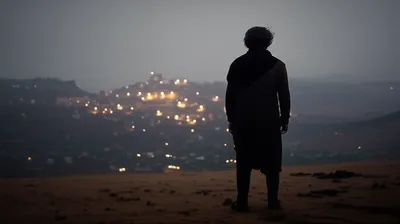




verb🔗Shareबहिष्कार करना, निष्कासित करनाTo cast out; to banish."The school outcast him for his disruptive behavior. "स्कूल ने उसे उसके विघटनकारी व्यवहार के लिए निष्कासित कर दिया।societygroupcultureChat with AIVocabulary GamePractice Reading
adjective🔗Shareबहिष्कृत, निष्कासितThat has been cast out; banished, ostracized."Because of his constant lying, he became an outcast within his own family. "अपने लगातार झूठ बोलने के कारण, वह अपने ही परिवार में बहिष्कृत हो गया।societyculturehumanChat with AIVocabulary GamePractice Reading
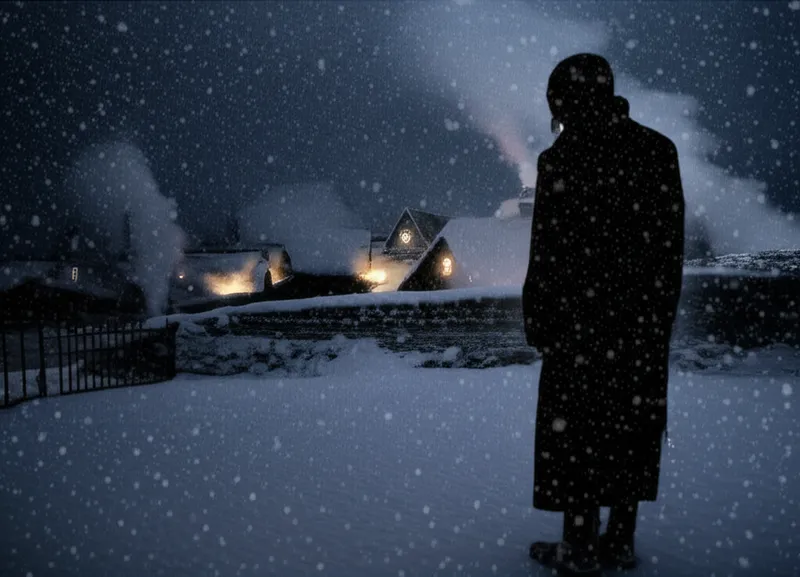
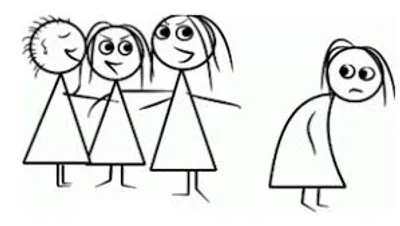
noun🔗Shareबहिष्कृत, अछूतOne that has been excluded from a society or system, a pariah."The student felt like an outcast after he moved to a new school and nobody would talk to him. "नए स्कूल में जाने के बाद छात्र ने खुद को एक बहिष्कृत महसूस किया और कोई भी उससे बात नहीं करता था।societypersonculturecharacterChat with AIVocabulary GamePractice Reading
noun🔗Shareबहिष्कृत, अछूत(more generally) Someone who does not belong; a misfit."The new student felt like an outcast at school because he didn't speak the same language as his classmates. "नए छात्र को स्कूल में बहिष्कृत जैसा महसूस हुआ क्योंकि वह अपने सहपाठियों की तरह एक ही भाषा नहीं बोलता था।personcharactersocietyculturegroupChat with AIVocabulary GamePractice Reading
noun🔗Shareझगड़ा, कलहA quarrel."The family's recent argument was a bitter outcast, creating tension for weeks. "परिवार का हालिया झगड़ा एक कड़वा कलह था, जिससे हफ्तों तक तनाव बना रहा।groupsocietycharacterChat with AIVocabulary GamePractice Reading
noun🔗Shareमाल्टिंग में अनाज के थोक में वृद्धि की मात्राThe amount of increase in bulk of grain in malting."The barley's high outcast during the malting process resulted in a larger yield. "माल्टिंग प्रक्रिया के दौरान जौ के उच्च वृद्धि के परिणामस्वरूप अधिक उपज हुई।agriculturetechnicalprocessChat with AIVocabulary GamePractice Reading