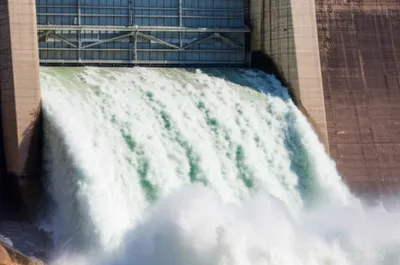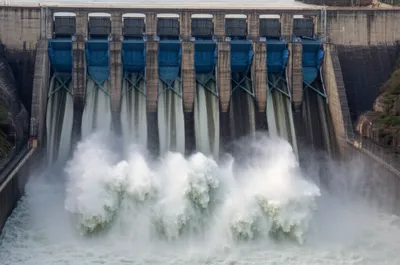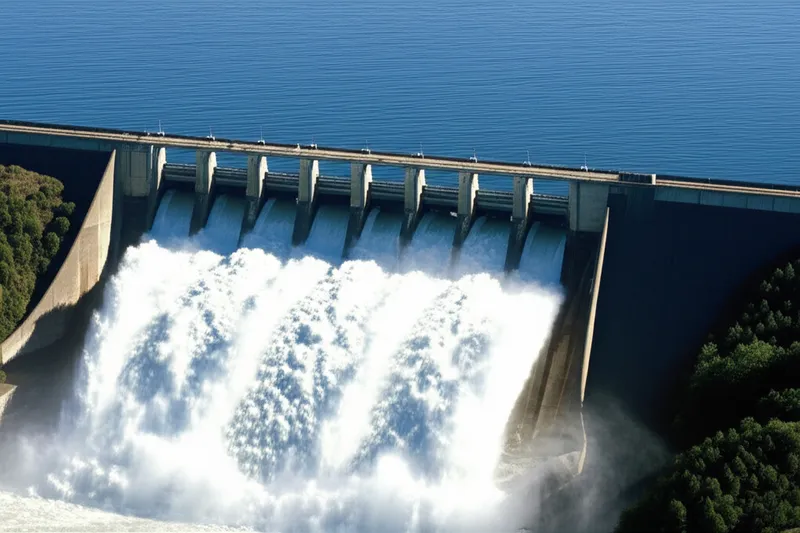

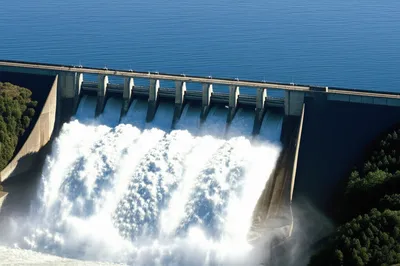
verb🔗Shareनिकाला, बहायाTo emit by, or as by, flood gates."The dam operator sluiced water into the river, raising its level downstream. "बांध संचालक ने नदी में पानी निकाला, जिससे नीचे की ओर इसका स्तर बढ़ गया।natureenvironmentactionChat with AIVocabulary GamePractice Reading
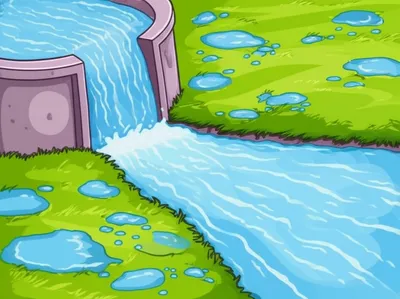
verb🔗Shareपानी से धोना, बहानाTo wet copiously, as by opening a sluice"to sluice meadows"मैदानों को पानी से धोनाenvironmentnatureChat with AIVocabulary GamePractice Reading
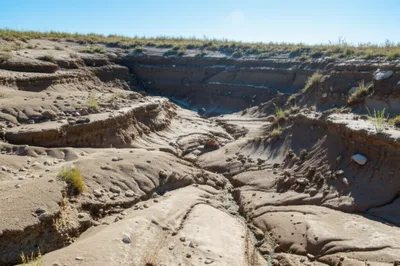
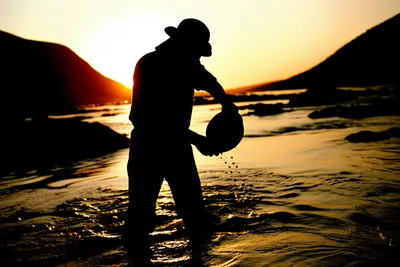
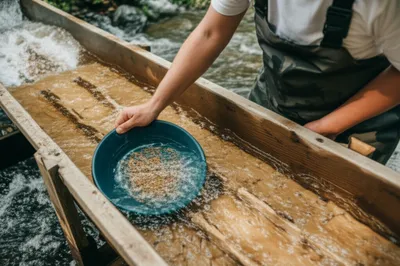
verb🔗Shareपानी से धोना, बहानाTo wash with, or in, a stream of water running through a sluice."The gold prospectors sluiced gravel from the riverbed, hoping to find flecks of gold amongst the washed-away dirt. "सोने के खनिकों ने नदी के तल से बजरी को धोया, यह उम्मीद करते हुए कि धुल गए गंदगी के बीच सोने के कण मिल जाएंगे।natureactionenvironmentagricultureChat with AIVocabulary GamePractice Reading
verb🔗Shareधोना, बहाना(more generally) To wash (down or out)."The strong rain sluiced the dirt from the patio. "तेज बारिश ने आँगन से गंदगी धो दी।utilityactionprocessChat with AIVocabulary GamePractice Reading
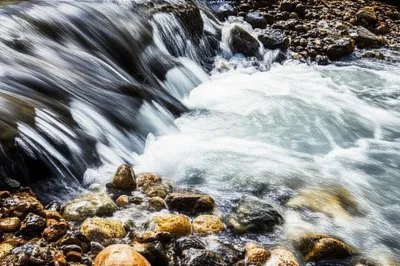
verb🔗Shareबहना, उड़ेलनाTo flow, pour."After the heavy rain, water sluiced down the street, carrying leaves and debris. "भारी बारिश के बाद, पानी सड़क पर बह गया, पत्तों और मलबे को बहा ले गया।actionnatureenvironmentChat with AIVocabulary GamePractice Reading
verb🔗Shareसमन्वित wh-प्रश्न में C को छोड़ना। स्लुइसिंग देखें।To elide the C` in a coordinated wh-question. See sluicing."The linguist explained how "someone stole my sandwich, but I don't know who" is an example of a sentence where the rest of the wh-clause after who has been sluiced. "भाषाविद ने समझाया कि कैसे "किसी ने मेरा सैंडविच चुरा लिया, लेकिन मुझे नहीं पता किसने" एक ऐसे वाक्य का उदाहरण है जहाँ किसने के बाद wh-खंड के बाकी हिस्सों को छोड़ दिया गया है।grammarlanguagelinguisticsChat with AIVocabulary GamePractice Reading