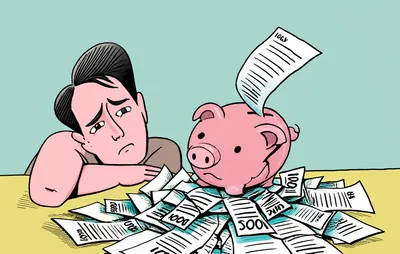
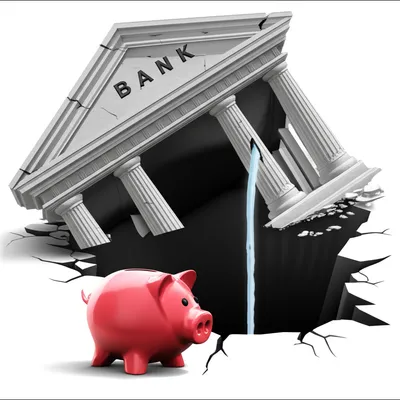
noun 다운로드 🔗공유 파산자, 부도자 One who becomes unable to pay his or her debts; an insolvent person. Examples : "The struggling business owner declared bankruptcy, unable to pay his creditors. " 어려움을 겪고 있는 사업주는 채권자에게 빚을 갚을 수 없어 파산을 선언했다. business finance economy toeic AI와 채팅어휘 게임독해 연습
noun 다운로드 🔗공유 자신을 숨기거나 채권자를 속이는 행위를 하는 상인. A trader who secretes himself, or does certain other acts tending to defraud his creditors. Examples : "The bankrupt hid his assets, hoping to avoid paying his debts. " 파산한 상인은 빚을 갚지 않기 위해 자신의 자산을 숨겼다. business finance economy law toeic AI와 채팅어휘 게임독해 연습
verb 다운로드 🔗공유 파산시키다 To force into bankruptcy. Examples : "The failing company's poor management practices bankrupted many investors. " 실패한 회사의 부실한 경영 관행은 많은 투자자들을 파산시켰다. business finance economy toeic AI와 채팅어휘 게임독해 연습
adjective 다운로드 🔗공유 파산한, 지급 불능의 In a condition of bankruptcy; unable to pay one's debts. Examples : "a bankrupt merchant" 파산한 상인 business finance economy condition toeic AI와 채팅어휘 게임독해 연습
adjective 다운로드 🔗공유 파산한, 부도난 Having been legally declared insolvent. Examples : "The failing company was declared bankrupt by the court. " 법원은 실패한 회사가 파산했다고 선언했습니다. business finance economy toeic AI와 채팅어휘 게임독해 연습
adjective 다운로드 🔗공유 파산한, 무일푼의 Destitute of, or wholly lacking (something once possessed, or something one should possess). Examples : "a morally bankrupt politician" 도덕적으로 파산한 정치인. business finance economy condition toeic AI와 채팅어휘 게임독해 연습