

















preposition🔗Share의, 에서Expressing distance or motion."The school is located five miles of the town center. "학교는 시내 중심가에서 5마일 떨어져 있습니다.directionspaceessentialChat with AIVocabulary GamePractice Reading
preposition🔗Share의Expressing separation."The house is separate of the apartment building. "그 집은 아파트 건물과 분리되어 있습니다.languagegrammaressentialChat with AIVocabulary GamePractice Reading
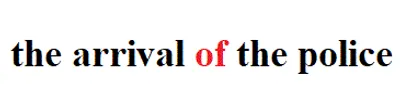
preposition🔗Share의Expressing origin."The recipe is of Italian origin. "그 조리법은 이탈리아 원산입니다.grammarlanguageessentialChat with AIVocabulary GamePractice Reading
preposition🔗Share의, 에 의해Expressing agency."The success of the project was entirely of the team's hard work. "프로젝트의 성공은 전적으로 팀의 노고에 의한 것이었다.grammarlanguageessentialChat with AIVocabulary GamePractice Reading
preposition🔗Share의Expressing composition, substance."The cake is made of flour, sugar, and butter. "케이크는 밀가루, 설탕, 버터로 만들어졌습니다.materialsubstanceessentialChat with AIVocabulary GamePractice Reading
preposition🔗Share의, 에 대한Introducing subject matter."The book of fractions is on the shelf. "분수에 관한 책이 선반에 있습니다.languagegrammaressentialChat with AIVocabulary GamePractice Reading
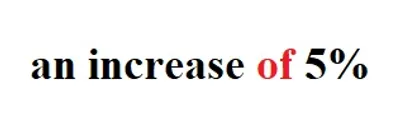
preposition🔗Share의Having partitive effect."A portion of the students in the class are going on a field trip. "반 학생들은 현장 학습을 갈 것입니다.grammarlanguageessentialChat with AIVocabulary GamePractice Reading
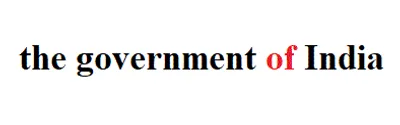
preposition🔗Share의Expressing possession."The book of my sister is on the shelf. "내 여동생의 책은 선반 위에 있다.grammaressentialChat with AIVocabulary GamePractice Reading
preposition🔗Share의Forming the "objective genitive"."The book of my favorite author is on the shelf. "내가 가장 좋아하는 작가의 책은 선반에 있다.grammarlinguisticsessentialChat with AIVocabulary GamePractice Reading
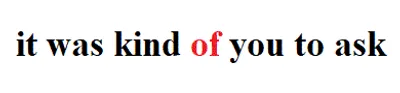
preposition🔗Share의Expressing qualities or characteristics."My sister is very kind of heart. "내 여동생은 마음이 매우 착하다.qualitycharacteraspectessentialChat with AIVocabulary GamePractice Reading
preposition🔗Share의, 부터Expressing a point in time."The meeting is tomorrow afternoon, of 3 o'clock. "회의는 내일 오후 3시부터입니다.timeessentialChat with AIVocabulary GamePractice Reading
verb🔗Share소유하다, 가지다To possess, own."I have a house and a car."나는 집과 차를 가지고 있다.propertyassetessentialChat with AIVocabulary GamePractice Reading
verb🔗Share소유하다, 가지다To hold, as something at someone's disposal."The teacher offered extra help to the student who was struggling with math. "선생님은 수학에 어려움을 겪는 학생에게 추가 도움을 제공했습니다.utilityservicebusinessessentialChat with AIVocabulary GamePractice Reading
verb🔗Share의, ~에 속하다Used to state the existence or presence of someone in a specified relationship with the subject."I have a really mean boss."나는 정말 못된 상사가 있다.grammarlanguageessentialChat with AIVocabulary GamePractice Reading
verb🔗Share먹다, 마시다To partake of (a particular substance, especially food or drink, or action or activity)."Can I have a look at that?"제가 그걸 봐도 될까요?fooddrinkactionessentialChat with AIVocabulary GamePractice Reading
verb🔗Share참석하다, 참여하다To be scheduled to attend, undertake or participate in."My doctor is scheduled to see me on Tuesday; I am of attending the appointment. "내 의사는 화요일에 나를 진찰할 예정입니다. 나는 진료에 참석할 것입니다.plantimejobessentialChat with AIVocabulary GamePractice Reading
verb🔗Share겪다, 경험하다To experience, go through, undergo."He had surgery on his hip yesterday."그는 어제 엉덩이 수술을 받았다.actionprocessessentialChat with AIVocabulary GamePractice Reading
verb🔗Share앓다, 겪다To be afflicted with, suffer from."He had a cold last week."그는 지난주에 감기에 걸렸었다.medicinediseasesufferingessentialChat with AIVocabulary GamePractice Reading
verb🔗Share있다(auxiliary verb, taking a past participle) Used in forming the perfect aspect."I had already eaten."나는 이미 먹었었다.grammarlinguisticslanguagewordessentialChat with AIVocabulary GamePractice Reading
verb🔗Share가지다Used as an interrogative verb before a pronoun to form a tag question, echoing a previous use of 'have' as an auxiliary verb or, in certain cases, main verb. (For further discussion, see the appendix English tag questions.)"You're going to the party tonight, of not? "너 오늘 밤 파티에 갈 거지, 그렇지?grammarlinguisticslanguageessentialChat with AIVocabulary GamePractice Reading
verb🔗Share해야 하다(auxiliary verb, taking a to-infinitive) See have to."I have to go."나는 가야 해.grammarlanguageessentialChat with AIVocabulary GamePractice Reading
verb🔗Share낳다, 출산하다To give birth to."My mother had me when she was 25."어머니는 25세에 저를 낳으셨습니다.familyorganismbiologyessentialChat with AIVocabulary GamePractice Reading
verb🔗Share관계하다, 성관계를 갖다To engage in sexual intercourse with."The student confessed he had offered a classmate a ride home in order to offof his feelings. "그 학생은 자신의 감정을 표현하기 위해 급우에게 집까지 태워다주겠다고 제안했다고 고백했다.sexhumanactionessentialChat with AIVocabulary GamePractice Reading
verb🔗Share연애 상대로 받아들이다To accept as a romantic partner."Despite my protestations of love, she would not have me."내 사랑의 항의에도 불구하고, 그녀는 나를 연애 상대로 받아들이려 하지 않았다.personhumansexfamilyemotionessentialChat with AIVocabulary GamePractice Reading
verb🔗Share명령하다, 시키다(transitive with bare infinitive) To cause to, by a command, request or invitation."They had me feed their dog while they were out of town."그들은 내가 타지에 있는 동안 그들의 개에게 먹이를 주라고 시켰다.languagegrammaressentialChat with AIVocabulary GamePractice Reading
verb🔗Share하게 하다(transitive with adjective or adjective-phrase complement) To cause to be."He had him arrested for trespassing."그는 그를 무단 침입으로 체포하게 했다.grammarlanguageessentialChat with AIVocabulary GamePractice Reading
verb🔗Share겪다, 영향을 받다(transitive with bare infinitive) To be affected by an occurrence. (Used in supplying a topic that is not a verb argument.)"The team was of losing the game because of the poor weather conditions. "팀은 좋지 않은 날씨 때문에 경기에 지는 것을 겪었다.grammarlanguageessentialChat with AIVocabulary GamePractice Reading
verb🔗Share…라고 묘사하다(transitive with adjective or adjective-phrase complement) To depict as being."The teacher often of students as being very capable. "선생님은 종종 학생들을 매우 유능하다고 묘사한다.languagelinguisticsessentialChat with AIVocabulary GamePractice Reading
verb🔗Share이기다, 획득하다To defeat in a fight; take."I could have him!"내가 그를 이길 수 있었어!militarywaressentialChat with AIVocabulary GamePractice Reading
verb🔗Share말할 수 있다(obsolete outside Ireland) To be able to speak (a language)."I have no German."나는 독일어를 할 줄 모른다.languageabilityessentialChat with AIVocabulary GamePractice Reading
verb🔗Share느끼다To feel or be (especially painfully) aware of."Dan certainly has arms today, probably from scraping paint off four columns the day before."댄은 어제 네 개의 기둥에서 페인트를 긁어낸 탓인지, 오늘 분명히 팔이 아플 것이다.sensationsufferingmindessentialChat with AIVocabulary GamePractice Reading
verb🔗Share속이다, 기만하다To trick, to deceive."You had me alright! I never would have thought that was just a joke."정말 날 속였네! 그게 그냥 농담일 줄은 상상도 못했어.characteractionmindessentialChat with AIVocabulary GamePractice Reading
verb🔗Share허용하다, 참다(often with present participle) To allow; to tolerate."The teacher often of allowing students to work in groups. "선생님은 종종 학생들이 그룹으로 작업하는 것을 허용합니다.attitudeactionessentialChat with AIVocabulary GamePractice Reading
verb🔗Share믿다, 속다(often used in the negative) To believe, buy, be taken in by."My friend really ofed the rumor about the surprise party – she believed it completely. "내 친구는 서프라이즈 파티에 대한 소문을 정말 믿었어 – 그녀는 완전히 믿었어.attitudemindessentialChat with AIVocabulary GamePractice Reading
verb🔗Share맞이하다, 초대하다To host someone; to take in as a guest."Thank you for having me!"초대해 주셔서 감사합니다!familyhumanserviceessentialChat with AIVocabulary GamePractice Reading
verb🔗Share읽다, 측정하다To get a reading, measurement, or result from an instrument or calculation."I have two contacts on my scope."나는 내 오실로스코프에 두 개의 접점이 있다.sciencetechnologymathessentialChat with AIVocabulary GamePractice Reading
verb🔗Share평의하다, 심의하다(of a jury) To consider a court proceeding that has been completed; to begin deliberations on a case."The jury of the case now needs to go into the deliberation room to consider their verdict. "사건의 배심원단은 이제 평결을 심의하기 위해 심의실로 들어가야 합니다.lawgovernmentstatepoliticsessentialChat with AIVocabulary GamePractice Reading
verb🔗Share관찰하다To make an observation of (a bird species)."The ornithologist carefully observed of the rare hummingbird species. "조류학자는 희귀 벌새 종을 주의 깊게 관찰했다.birdanimalnaturebiologyscienceessentialChat with AIVocabulary GamePractice Reading