noun 다운로드 🔗공유 가정부, 하녀 A house servant; a maid; a household worker. Examples : "The domestic cleaned the house every Saturday. " 가정부는 매주 토요일마다 집을 청소했다. job person family essential ielts AI와 채팅어휘 게임독해 연습
noun 다운로드 🔗공유 가정 분쟁, 가정 싸움 A domestic dispute, whether verbal or violent Examples : "The domestic dispute between the siblings escalated into a physical fight. " 형제자매 간의 가정 싸움이 육체적 싸움으로 번졌다. family police law society essential ielts AI와 채팅어휘 게임독해 연습
adjective 다운로드 🔗공유 가정의, 국내의 Of or relating to the home. Examples : "My domestic chores today included cleaning my room and doing the laundry. " 오늘 집안일에는 방 청소와 세탁이 포함되었습니다. family property essential ielts AI와 채팅어휘 게임독해 연습
adjective 다운로드 🔗공유 가정의, 집안의 Of or relating to activities normally associated with the home, wherever they actually occur. Examples : "domestic violence; domestic hot water" 가정 폭력; 가정용 온수 family society essential ielts AI와 채팅어휘 게임독해 연습
adjective 다운로드 🔗공유 사육되는, 집에서 기르는 (of an animal) Kept by someone, for example as a farm animal or a pet. Examples : "The farmer carefully fed his domestic chickens. " 농부는 그의 사육되는 닭들에게 조심스럽게 먹이를 주었다. animal agriculture essential ielts AI와 채팅어휘 게임독해 연습
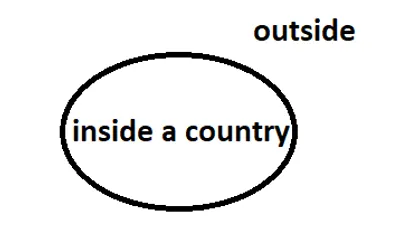
adjective 다운로드 🔗공유 국내의, 국내 Internal to a specific country. Examples : "The company's new policy focuses on domestic markets, not international ones. " 회사의 새로운 정책은 국제 시장이 아닌 국내 시장에 초점을 맞추고 있습니다. nation politics government essential ielts AI와 채팅어휘 게임독해 연습
adjective 다운로드 🔗공유 집에 있는, 가정적인 Tending to stay at home; not outgoing. Examples : "My sister is very domestic; she enjoys cooking and spending time with her family at home. " 내 여동생은 매우 가정적입니다. 그녀는 요리를 좋아하고 집에서 가족과 함께 시간을 보내는 것을 즐깁니다. character human person attitude family essential ielts AI와 채팅어휘 게임독해 연습