noun 다운로드 🔗공유 폭력배, 공격자 An assailant. Examples : "The violent assaulted the student in the school hallway. " 폭력배가 학교 복도에서 학생을 공격했다. person human police military weapon war essential AI와 채팅어휘 게임독해 연습
verb 다운로드 🔗공유 폭력으로 강요하다 To urge with violence. Examples : "The angry student violently urged his classmates to protest the unfair test. " 화가 난 학생은 불공정한 시험에 항의하도록 급우들을 폭력으로 강요했다. action inhuman military war police essential AI와 채팅어휘 게임독해 연습
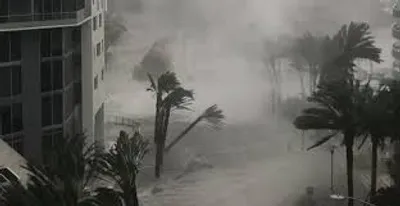
adjective 다운로드 🔗공유 폭력적인, 격렬한 Involving extreme force or motion. Examples : "A violent wind ripped the branch from the tree." 거센 바람이 나뭇가지 하나를 나무에서 찢어냈다. action nature war physics environment essential AI와 채팅어휘 게임독해 연습
adjective 다운로드 🔗공유 폭력적인 Involving physical conflict. Examples : "We would rather negotiate, but we will use violent means if necessary." 우리는 협상하는 것을 선호하지만, 필요하다면 폭력적인 수단을 사용할 것입니다. war police military action society inhuman essential AI와 채팅어휘 게임독해 연습
adjective 다운로드 🔗공유 폭력적인, 난폭한 Likely to use physical force. Examples : "The escaped prisoners are considered extremely violent." 탈옥한 죄수들은 극도로 폭력적인 것으로 여겨진다. action character war police society negative inhuman essential AI와 채팅어휘 게임독해 연습
adjective 다운로드 🔗공유 격렬한, 강렬한 Intensely vivid. Examples : "The artist expressed his emotional theme through violent colors." 그 예술가는 격렬한 색채를 통해 자신의 감정적인 주제를 표현했다. style art appearance quality essential AI와 채팅어휘 게임독해 연습
adjective 다운로드 🔗공유 폭력적인, 격렬한 Produced or effected by force; not spontaneous; unnatural. Examples : "The teacher's violent reaction to the student's question made the class uncomfortable. " 학생의 질문에 대한 선생님의 폭력적인 반응은 수업 분위기를 불편하게 만들었다. action nature war inhuman essential AI와 채팅어휘 게임독해 연습