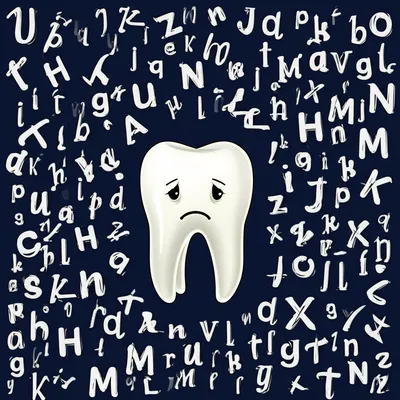
verb 다운로드 🔗공유 마비시키다, 무감각하게 만들다 To cause to become numb (physically or emotionally). Examples : "The dentist gave me novocaine to numb my tooth before drilling, thank goodness." 치과 의사는 드릴 전에 이를 마비시키기 위해 노보카인을 주었습니다, 다행히도. sensation medicine mind body AI와 채팅어휘 게임독해 연습
verb 다운로드 🔗공유 무감각하게 만들다 To cause (a feeling) to be less intense. Examples : "He turned to alcohol to numb his pain." 그는 고통을 무감각하게 하려고 술을 찾았다. medicine sensation body physiology mind AI와 채팅어휘 게임독해 연습
verb 다운로드 🔗공유 무감각하게 만들다, 둔하게 하다 To cause (the mind, faculties, etc.) to be less acute. Examples : "The stressful exam week numbed her ability to concentrate on anything else. " 스트레스가 많은 시험 기간은 그녀의 다른 것에 집중하는 능력을 무감각하게 만들었다. mind body sensation AI와 채팅어휘 게임독해 연습
verb 다운로드 🔗공유 마비되다, 감각이 없어지다 To become numb (especially physically). Examples : "After hours of sitting in the same position, my legs began to numb. " 같은 자세로 몇 시간 동안 앉아 있자 다리가 마비되기 시작했다. sensation medicine body AI와 채팅어휘 게임독해 연습
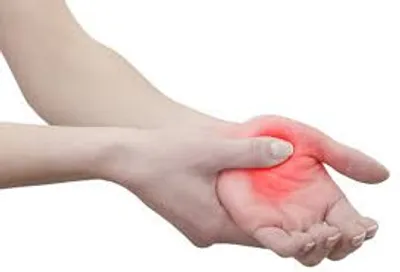
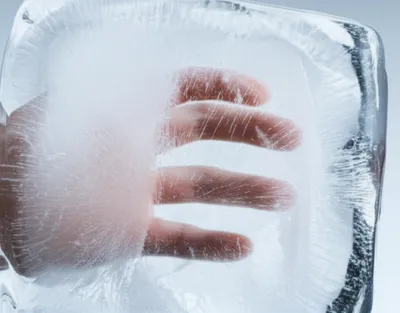
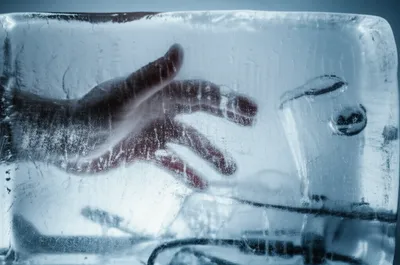
adjective 다운로드 🔗공유 마비된, 감각이 없는 Physically unable to feel, not having the power of sensation. Examples : "fingers numb with cold" 추위로 손가락이 마비되었다. medicine physiology sensation body AI와 채팅어휘 게임독해 연습
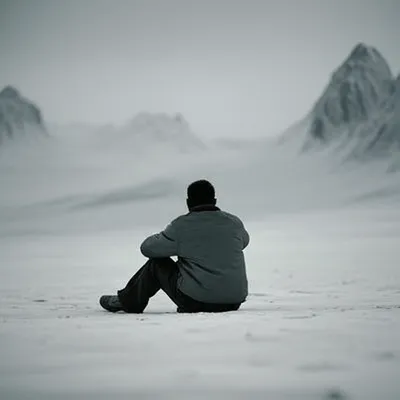
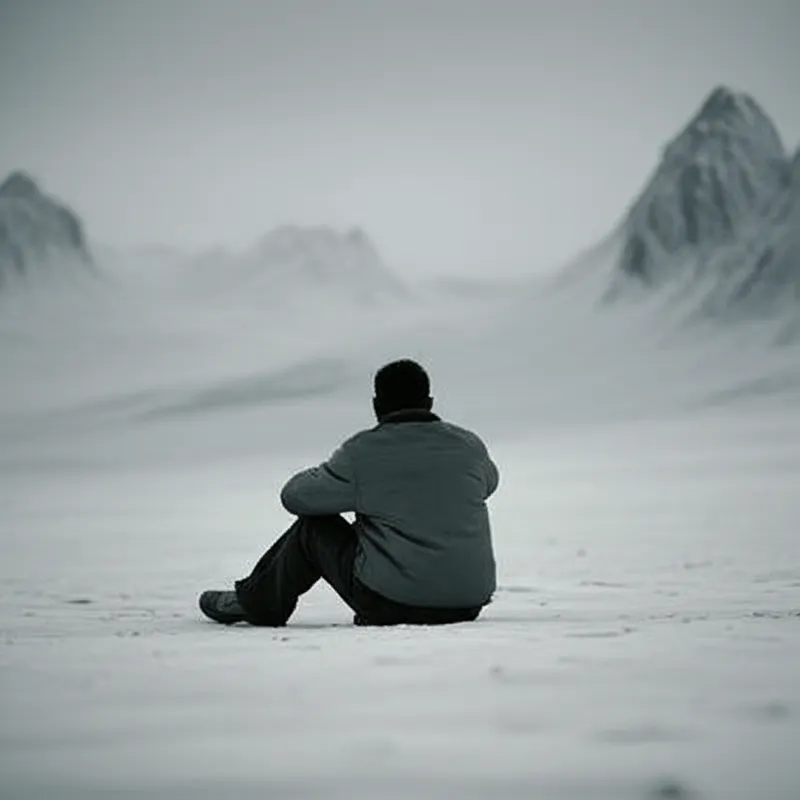
adjective 다운로드 🔗공유 무감각한, 멍한 Emotionally unable to feel or respond in a normal way. Examples : "numb with shock; numb with boredom" 충격으로 무감각해지다; 지루함에 멍해지다 sensation mind emotion body AI와 채팅어휘 게임독해 연습
adjective 다운로드 🔗공유 마비시키는 Causing numbness. Examples : "The cold weather made her fingers numb. " 추운 날씨 때문에 그녀의 손가락이 마비되었다. medicine sensation body AI와 채팅어휘 게임독해 연습