


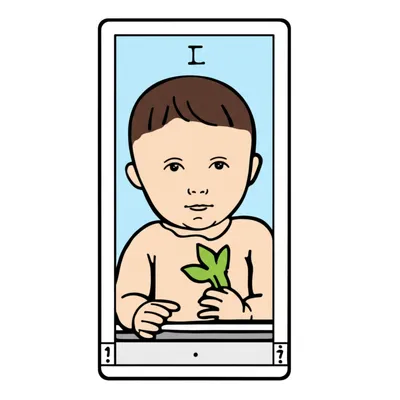

noun🔗Share어린이, 아이들A person who has not yet reached adulthood, whether natural (puberty), cultural (initiation), or legal (majority)"Go easy on him: he is but a child."그를 너무 몰아세우지 마세요: 그는 아직 아이일 뿐입니다.agefamilyhumanpersonChat with AIVocabulary GamePractice Reading
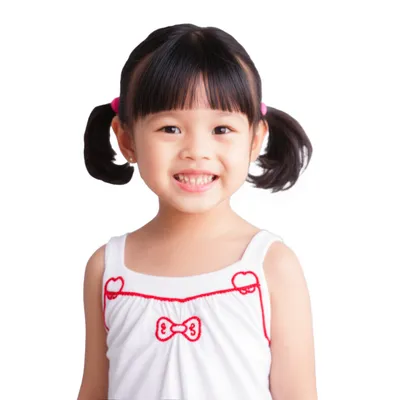
noun🔗Share여자아이, 소녀(specifically) A female child, a girl."The school principal noticed the shy children in the class, particularly the young girls. "교장은 반에서 수줍어하는 소녀들, 특히 어린 소녀들을 눈여겨보았다.familyagepersonhumanChat with AIVocabulary GamePractice Reading
noun🔗Share자녀, 후손(with possessive) One's direct descendant by birth, regardless of age; a son or daughter."My youngest child is forty-three this year."내 막내 자녀는 올해 마흔세 살입니다.familyChat with AIVocabulary GamePractice Reading
noun🔗Share레노먼드 카드 13번The thirteenth Lenormand card."The tarot reader used the children card to represent the challenges in the family. "타로 리더는 가족의 어려움을 나타내기 위해 레노먼드 카드 13번을 사용했다.astrologysupernaturalChat with AIVocabulary GamePractice Reading
noun🔗Share자손, 아이들A figurative offspring, particularly:"The company's new training program is designed for the children of its employees, recognizing the value of supporting the next generation. "회사의 새로운 교육 프로그램은 차세대를 지원하는 가치를 인식하여 직원들의 자녀를 위해 설계되었습니다.familyChat with AIVocabulary GamePractice Reading
noun🔗Share귀족 자녀A child of noble birth."The king's children attended a special school for the nobility. "왕의 귀족 자녀들은 귀족을 위한 특별 학교에 다녔다.royalfamilyChat with AIVocabulary GamePractice Reading
noun🔗Share장남The cognomen given to the oldest son prior to his taking his father's title."The eldest son was known as "Prince William" as a child, but his father gave him the title "King" only after he graduated from the academy. "장남은 어릴 때 "윌리엄 왕자"로 알려졌지만, 그의 아버지는 그가 학교를 졸업한 후에야 그에게 "왕"이라는 칭호를 부여했습니다.familyroyaltitleagepersonChat with AIVocabulary GamePractice Reading