

noun 下载 🔗分享 同部位音 A consonant having the same place of articulation as another. Examples : "The English sounds /m/ in "ham" and /p/ in "hip" are not homorganic because they are produced in different parts of the mouth. " 英语中"ham"里的/m/音和"hip"里的/p/音不是同部位音,因为它们的发音部位不同。 phonetics linguistics language word 与AI对话词汇游戏阅读练习
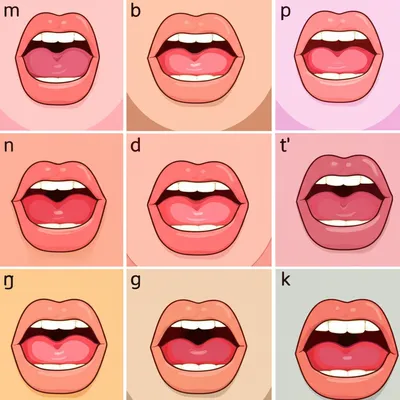
adjective 下载 🔗分享 同部位的,发音部位相同的。 Of consonants: having the same place of articulation. For example, labial m, b, p, alveolar n, d, t, velar ŋ, g, k. Indic alphabets such as Devanagari, as well as the Korean hangul alphabet, are rationally arranged so that homorganic consonants are grouped together. Examples : "The language textbook grouped the homorganic consonants together, making it easier to learn their pronunciation. " 这本语言教材把发音部位相同的辅音放在一起,更容易学习它们的发音了。 language phonetics linguistics 与AI对话词汇游戏阅读练习
adjective 下载 🔗分享 同部位的,发音部位相同的 Produced by the same or homologous organs Examples : "The sounds /p/ and /b/ are homorganic because they are both produced using the lips. " /p/和/b/的发音是同部位的,因为它们都是用嘴唇发出来的。 phonetics language linguistics organ physiology anatomy biology 与AI对话词汇游戏阅读练习