noun 下载 🔗分享 齿龈音 An alveolar consonant Examples : ""In English, 't' and 'd' are alveolar sounds because the tongue touches the alveolar ridge behind the upper teeth to pronounce them." " 在英语中,“t”和“d”是齿龈音,因为发这两个音的时候,舌头会接触上齿龈(上牙后面的牙龈)。 phonetics language linguistics 与AI对话词汇游戏阅读练习
adjective 下载 🔗分享 齿槽的,肺泡的 Of or relating to an alveolus. Examples : "The doctor examined the patient's alveolar sacs to check for any damage. " 医生检查了病人的肺泡囊,看看有没有损伤。 anatomy physiology medicine biology 与AI对话词汇游戏阅读练习
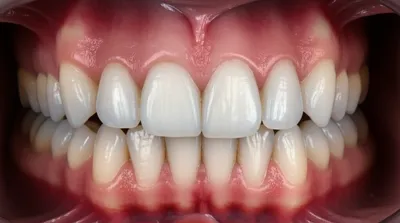
adjective 下载 🔗分享 牙槽的,齿槽的 Relating to the jaw ridge containing the tooth sockets. Examples : "The dentist examined the patient's alveolar bone to check for bone loss around the teeth. " 牙医检查了病人的牙槽骨,看看牙齿周围是否有骨质流失。 anatomy physiology medicine biology organ linguistics phonetics 与AI对话词汇游戏阅读练习
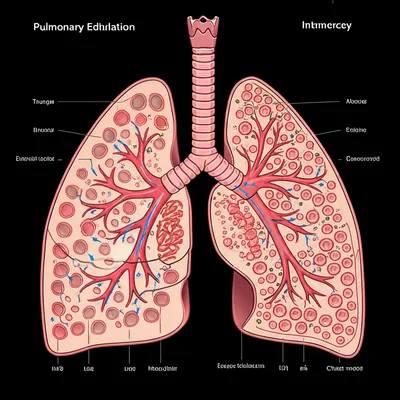
adjective 下载 🔗分享 肺泡的,齿槽的 Relating to the alveoli (small air sacs) of the lungs. Examples : "The doctor explained that the patient's alveolar sacs were inflamed, making breathing difficult. " 医生解释说,病人的肺泡发炎了,导致呼吸困难。 anatomy physiology medicine biology organ body 与AI对话词汇游戏阅读练习
adjective 下载 🔗分享 牙槽的,齿龈的 Formed with the tongue touching or approaching the inner ridge of the gums of the upper front teeth. Examples : "When pronouncing the sounds "t" and "d," your tongue makes an alveolar contact just behind your upper teeth. " 发 “t” 和 “d” 的音时,你的舌头会接触或接近上牙后面的齿龈部位。 phonetics language linguistics 与AI对话词汇游戏阅读练习