

inversion
Meanings

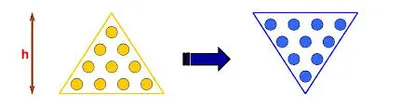


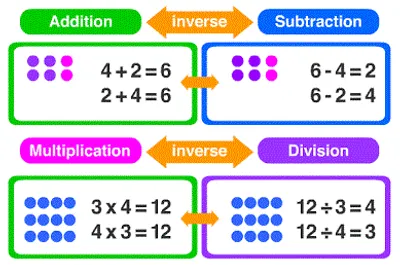
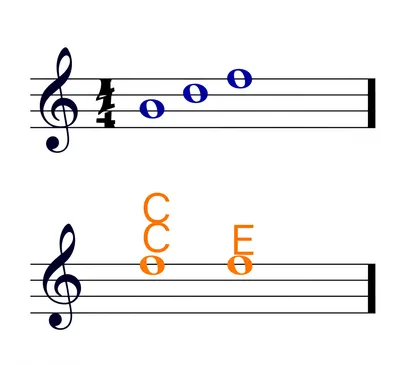


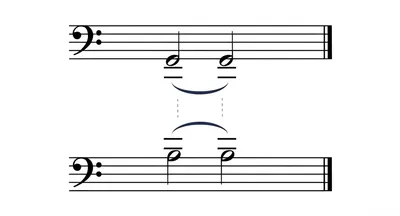
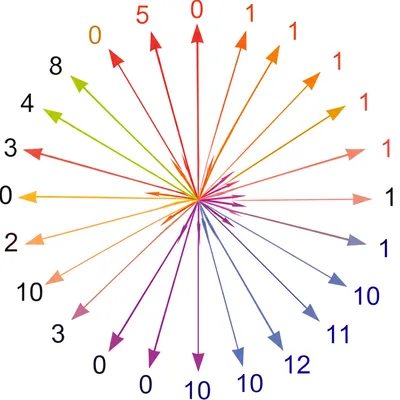
Examples :


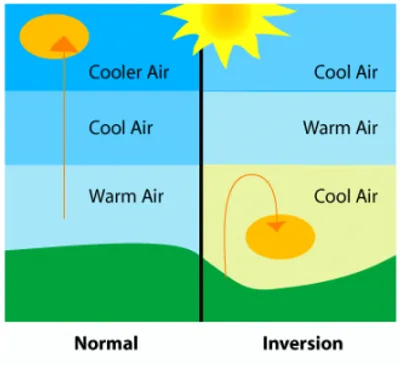
An increase of air temperature with increase in altitude (the ground being colder than the surrounding air). When an inversion exists, there are no convection currents and wind speeds are below 5 knots. The atmosphere is stable and normally is considered the most favorable state for ground release of chemical agents.
Examples :



Examples :
Related Words

particularly adverb
/pəˈtɪkjəli/ /pəˈtɪkjəlɚli/
(focus) Especially, extremely.
"The apéritifs were particularly stimulating."



psychological adjective
/ˌsaɪkəˈlɒdʒɪkl/ /ˌsaɪkəˈlɑːdʒɪkl/
Of or pertaining to psychology.



subtraction noun
/səbˈtɹækʃən/
The process of subtracting a number from another.
"The subtraction of 5 from 12 is 7. "


contrapuntal adjective
/ˌkɑntrəpʌnˈtɑːl/ /ˌkɑntrəpʌnˈtæl/
Of or in counterpoint.


complements noun
/ˈkɑmpləmənts/ /ˈkɑmplɪmənts/