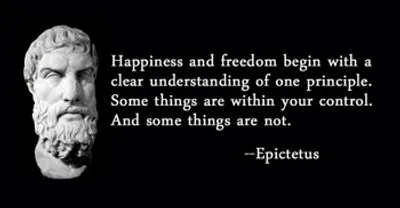
noun Descargar 🔗Compartir Estoico Proponent of stoicism, a school of thought, from in 300 B.C.E. up to about the time of Marcus Aurelius, who holds that by cultivating an understanding of the logos, or natural law, one can be free of suffering. Examples : "The stoic, focused on understanding natural law, found peace in accepting the challenges of his demanding job. " El estoico, centrado en la comprensión de la ley natural, encontró la paz al aceptar los desafíos de su exigente trabajo. philosophy character religion doctrine mind person history Chat con IAJuego de vocabularioPracticar lectura
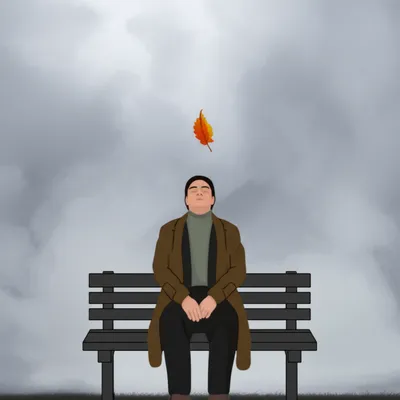
noun Descargar 🔗Compartir Un estoico, una persona indiferente al placer o al dolor A person indifferent to pleasure or pain. Examples : "The stoic accepted the criticism without showing any emotion. " El estoico aceptó la crítica sin mostrar ninguna emoción. philosophy character person mind attitude being Chat con IAJuego de vocabularioPracticar lectura
adjective Descargar 🔗Compartir Estoico Of or relating to the Stoics or their ideas. Examples : "The teacher's stoic approach to student questions, emphasizing reason and acceptance, was admired by many. " El enfoque estoico del profesor ante las preguntas de los estudiantes, que enfatizaba la razón y la aceptación, fue admirado por muchos. philosophy character attitude mind being moral Chat con IAJuego de vocabularioPracticar lectura
adjective Descargar 🔗Compartir Estoico, impasible Not affected by pain or distress. Examples : "Even when he failed the test, he remained stoic and didn't show any disappointment. " Incluso cuando suspendió el examen, se mantuvo estoico y no mostró ninguna decepción. character philosophy attitude mind Chat con IAJuego de vocabularioPracticar lectura
adjective Descargar 🔗Compartir Estoico, impasible Not displaying any external signs of being affected by pain or distress. Examples : "Despite the difficult news, Sarah remained stoic, showing no outward emotion. " A pesar de las malas noticias, Sarah permaneció estoica, sin mostrar ninguna emoción exterior. attitude character philosophy emotion mind suffering Chat con IAJuego de vocabularioPracticar lectura