verb डाउनलोड 🔗साझा करें थका देना, थकावट (used mainly in passive form) To make exhausted, tired out. Examples : "The long hike completely fagged out the group of hikers. " लंबी पैदल यात्रा ने हाइकरों के समूह को पूरी तरह से थका दिया। sensation condition body AI से चैट करेंशब्दावली खेलपढ़ने का अभ्यास
verb डाउनलोड 🔗साझा करें थक जाना, सुस्त पड़ना To droop; to tire. Examples : "After a long day of gardening in the hot sun, the flowers fagged. " गर्म धूप में बागवानी के एक लंबे दिन के बाद, फूल मुरझा गए। body sensation condition AI से चैट करेंशब्दावली खेलपढ़ने का अभ्यास
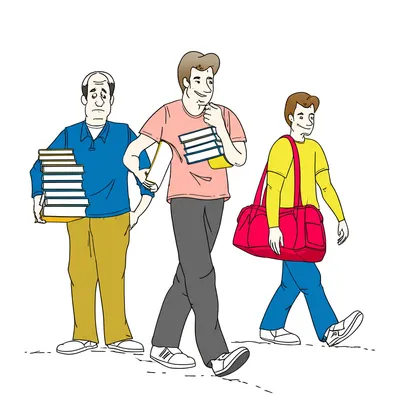
verb डाउनलोड 🔗साझा करें नौकर के रूप में कार्य करना For a younger student to act as a servant for senior students in many British boarding schools. Examples : "At Eaton, younger boys were sometimes fagged to clean the older students' rooms and polish their shoes. " ईटन में, छोटे लड़कों को कभी-कभी बड़े छात्रों के कमरे साफ करने और उनके जूते चमकाने के लिए नौकर के रूप में कार्य करना पड़ता था। culture education history society AI से चैट करेंशब्दावली खेलपढ़ने का अभ्यास
verb डाउनलोड 🔗साझा करें नौकर रखना, दास बनाना To have (a younger student) act as a servant in this way. Examples : "In the old British boarding school system, older students sometimes fagged younger boys, requiring them to clean shoes and run errands. " पुराने ब्रिटिश बोर्डिंग स्कूल प्रणाली में, बड़े छात्र कभी-कभी छोटे लड़कों को नौकर रखते थे, उनसे जूते साफ करने और काम करवाने की मांग करते थे। education history society AI से चैट करेंशब्दावली खेलपढ़ने का अभ्यास
verb डाउनलोड 🔗साझा करें कड़ी मेहनत करना, परिश्रम करना To work hard, especially on menial chores. Examples : "After a long day, the volunteers fagged away at cleaning the park, picking up trash and raking leaves. " एक लंबे दिन के बाद, स्वयंसेवकों ने पार्क की सफाई में कड़ी मेहनत की, कचरा उठाया और पत्तियों को एकत्र किया। work job AI से चैट करेंशब्दावली खेलपढ़ने का अभ्यास