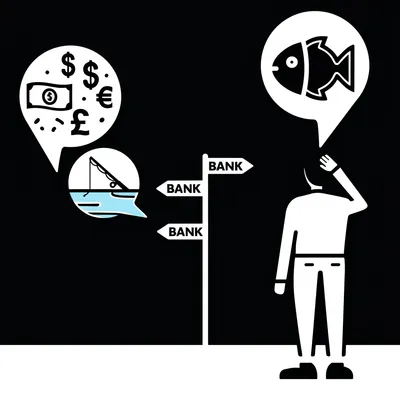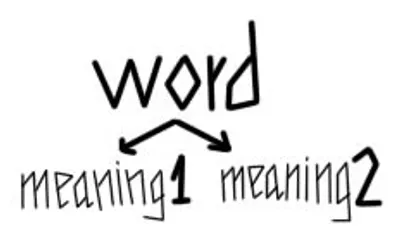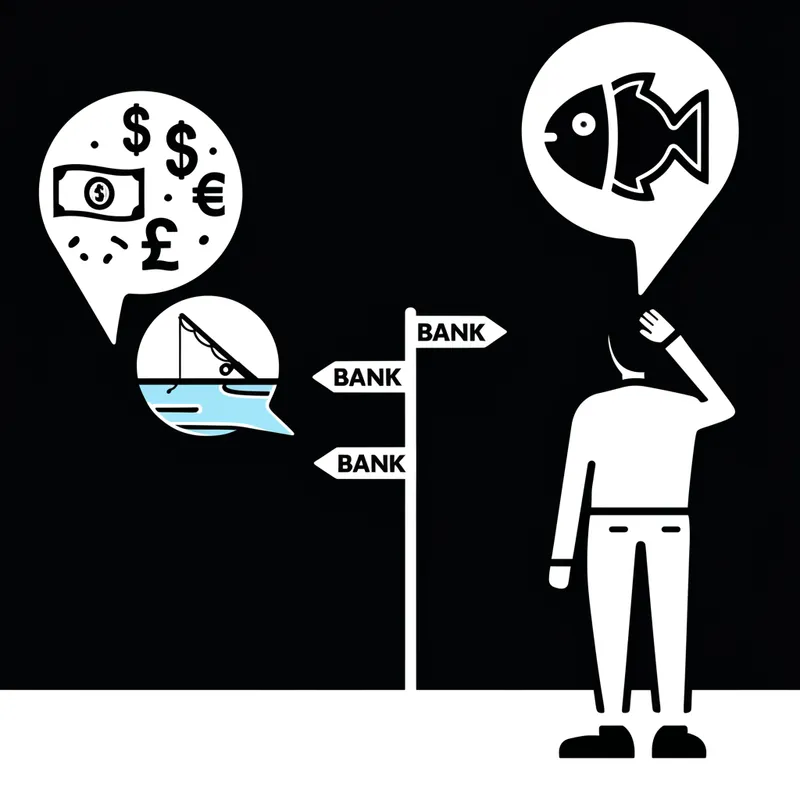

noun🔗Share言葉のあや, 曖昧さA logical fallacy resulting from the use of multiple meanings of a single expression."The politician's statement about "supporting education" was an example of equivocation because he never clarified if he meant supporting teachers' salaries or just providing more textbooks, leading people to interpret his words differently. "政治家の「教育支援」に関する発言は、言葉のあやの例だった。彼は教師の給与を支援するのか、それとも単に教科書を増やすのかを明確にしなかったため、人々は彼の言葉を異なるように解釈した。logiclanguagephilosophyChat with AIVocabulary GamePractice Reading
noun🔗Share曖昧な表現, 言い逃れThe use of expressions susceptible of a double signification, possibly intentionally and with the aim of misleading."The politician's answer about raising taxes was full of equivocation, making it impossible to tell if he supported it or not. "増税に関する政治家の答えは曖昧な表現に満ちており、彼がそれを支持しているのかどうか判断できませんでした。languagecommunicationphilosophylogicwordChat with AIVocabulary GamePractice Reading