没入型のビジュアルとAIで語彙をマスター
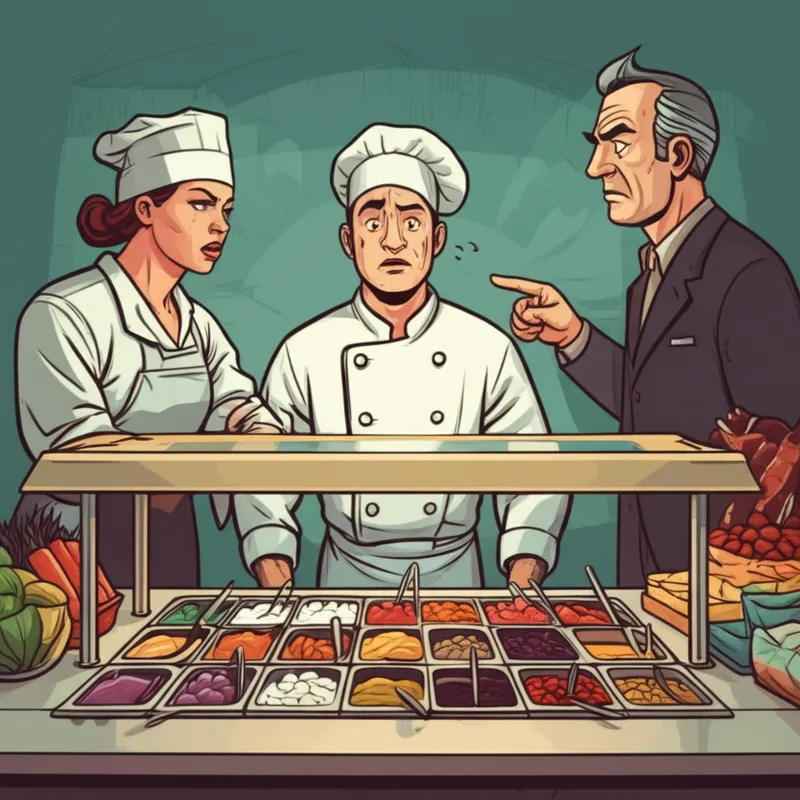
口論, 悪口
"His constant jaw about his new video game annoyed his classmates. "
彼の新しいビデオゲームについての絶え間ない悪口は、クラスメートをイライラさせた。
増幅、補足
"The translator made several amplifications to the children's story, adding descriptive details to make it more engaging for young readers. "
翻訳者は、若い読者にとってより魅力的にするために、説明的な詳細を追加し、子供向けの物語にいくつかの補足を行いました。
八音節の詩行
""Roses are red, violets are blue" is a classic example of an octosyllable. "
「バラは赤く、スミレは青い」は八音節の詩行の典型的な例です。
連結する、つなげる
"The programmer concatenated the first name and last name variables to create the full name. "
プログラマーは、フルネームを作成するために、名と姓の変数を連結しました。
ちぇっ, ばか
""Bah!" said Maria, throwing her hands up in the air. She was furious that her project was due so soon. "
「ちぇっ!」マリアはそう言って、両手を空に投げ上げた。彼女は自分のプロジェクトがすぐに締め切りになることに激怒していた。
気取って話す
"After her elocution lessons, Sarah began to knacks, pronouncing her words with an overly precise and theatrical accent. "
朗読のレッスン後、サラは気取って話し始め、言葉を過度に正確で演劇的なアクセントで発音するようになった。
並列, 連結
"The coordination of the two clauses, "I went to the store," and "I bought milk," creates a complete sentence. "
「私は店に行った」と「牛乳を買った」という2つの節の連結は、完全な文を作ります。
誤字、重複
"The professor marked the student's essay down for several dittographies; the phrase "critical thinking" appeared twice in a row in multiple places. "
教授は、学生のエッセイにいくつかの誤字があったため減点しました。「クリティカルシンキング」というフレーズが複数の箇所で2回続けて出現していました。
共同で書く, 共著する
"Maria often cowrites stories with her best friend for their school newspaper. "
マリアは、学校の新聞のために親友と共同で物語を書くことが多い。
再草稿, 改訂版
"The professor asked for two redrafts of our essays before giving a final grade. "
教授は最終的な成績をつける前に、私たちのエッセイの再草稿を2つ要求しました。
口論する, 言い争う
"The siblings jangled about who got to use the new video game console first. "
兄弟たちは、誰が最初に新しいビデオゲーム機を使うかについて口論した。
叱責, 説教
"The student received harsh dressings from the teacher for not completing the homework. "
生徒は宿題をやらなかったことで、先生から厳しい叱責を受けた。
叱る, 責める
"My mother would braid me if I didn't finish my homework. "
宿題を終わらせないと、母は私を叱るだろう。
ジプシー
"While visiting Hungary, I learned that some people unfortunately still use the word "tziganes" to refer to Romani people, though it's considered offensive. "
ハンガリーを訪問中、一部の人々が残念ながら今でもロマの人々を指すのに「ジプシー」という言葉を使っていることを知りましたが、これは侮辱的と見なされています。
怒鳴る, 咆哮する
"The angry coach was bellowing instructions to the team from the sidelines. "
怒ったコーチは、サイドラインからチームに指示を怒鳴っていました。
即興でやる, 間に合わせる
"The teacher asked me a question I wasn't prepared for, so I extemporized an answer. "
先生は私が準備していなかった質問をしてきたので、私は即興で答えました。
文献学
"The professor's philology research focused on how the language used in family letters changed over centuries. "
教授の文献学研究は、家族の手紙で使われる言語が何世紀にもわたってどのように変化したかに焦点を当てていた。
ちくしょう, クソ, まじかよ
"He said you confused the bejesus out of him"
彼は君が彼を混乱させたと言った。
グルジア語
"My grandmother, who grew up in Georgia, spoke fluent goober. "
ジョージアで育った私の祖母は、流暢なグルジア語を話しました。
混乱させる, 当惑させる
"The confusing instructions on the homework assignment almost committed the students. "
宿題の混乱を招く指示で、生徒たちはほとんど当惑した。