没入型のビジュアルとAIで語彙をマスター
連結する、つなげる
"The programmer concatenated the first name and last name variables to create the full name. "
プログラマーは、フルネームを作成するために、名と姓の変数を連結しました。
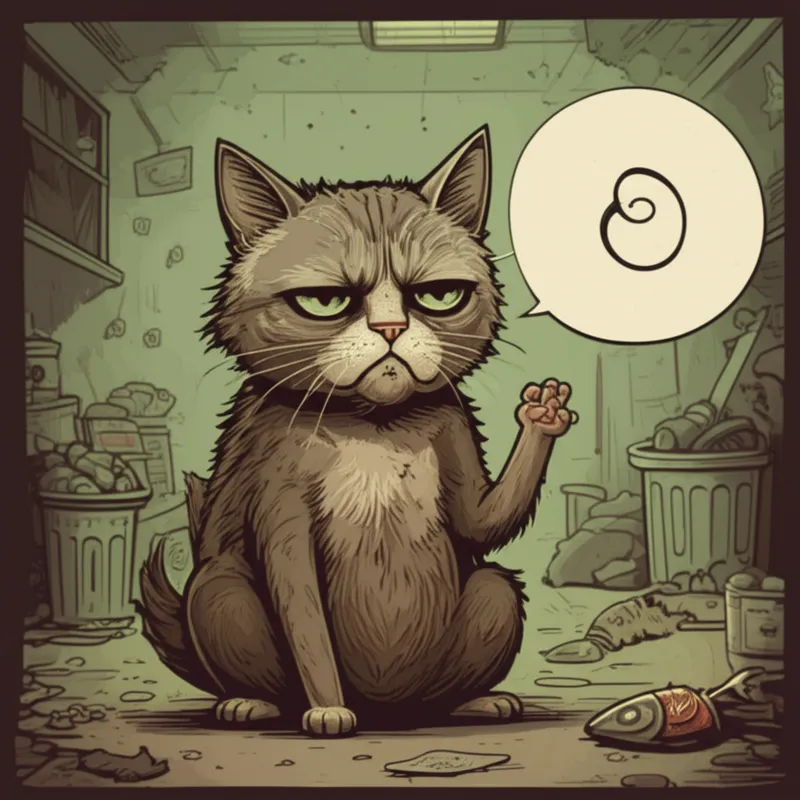
ちぇっ, ばか
""Bah!" said Maria, throwing her hands up in the air. She was furious that her project was due so soon. "
「ちぇっ!」マリアはそう言って、両手を空に投げ上げた。彼女は自分のプロジェクトがすぐに締め切りになることに激怒していた。
気取って話す
"After her elocution lessons, Sarah began to knacks, pronouncing her words with an overly precise and theatrical accent. "
朗読のレッスン後、サラは気取って話し始め、言葉を過度に正確で演劇的なアクセントで発音するようになった。
誤字、重複
"The professor marked the student's essay down for several dittographies; the phrase "critical thinking" appeared twice in a row in multiple places. "
教授は、学生のエッセイにいくつかの誤字があったため減点しました。「クリティカルシンキング」というフレーズが複数の箇所で2回続けて出現していました。
共同で書く, 共著する
"Maria often cowrites stories with her best friend for their school newspaper. "
マリアは、学校の新聞のために親友と共同で物語を書くことが多い。
再草稿, 改訂版
"The professor asked for two redrafts of our essays before giving a final grade. "
教授は最終的な成績をつける前に、私たちのエッセイの再草稿を2つ要求しました。
打つ、叩く
"The older brother threatened to dowse his younger brother if he didn't stop taking his toys. "
兄は、弟が自分のおもちゃを取るのをやめなければ叩くと脅しました。
叱責, 説教
"The student received harsh dressings from the teacher for not completing the homework. "
生徒は宿題をやらなかったことで、先生から厳しい叱責を受けた。
叱る, 責める
"My mother would braid me if I didn't finish my homework. "
宿題を終わらせないと、母は私を叱るだろう。
混乱させる, 当惑させる
"The confusing instructions on the homework assignment almost committed the students. "
宿題の混乱を招く指示で、生徒たちはほとんど当惑した。
異議を唱える, 反対する
"to except to a witness or his testimony"
証人またはその証言に異議を唱える。
打ち明ける, 告白する
"After several drinks, I confided my problems to the barman."
数杯飲んだ後、バーテンダーに悩みを打ち明けました。
語源俗解, 誤った語源
"Many folk etymologies involve backronyms."
多くの語源俗解は、バックronymsを含みます。
最後の
"The ultimate syllable in the word "basketball" is "ball". "
単語「basketball」の最後の音節は「ball」です。
朗読する, 列挙する
"The teacher recited the names of the students who passed the exam. "
先生は試験に合格した生徒の名前を朗読しました。
ささやき, ざわめき
"The buzz about the upcoming school play was a whisper of excitement among the students. "
今度の学校劇についてのざわめきは、生徒たちの間で興奮のささやきでした。
科学的/推測的/洗練された/愚かな推測
"Faced with a blank exam paper, Maria just wrote down a few schwags and hoped for partial credit. "
白紙の試験用紙を前にして、マリアはいくつかの科学的推測を書き、部分的なクレジットを期待した。
言い換える, 修正する
"The teacher asked me to reword my essay introduction to make it clearer. "
先生は私に、エッセイの導入部分をもっと分かりやすくするために言い換えるように頼みました。
カーニバル労働者が使う専門用語
""The seasoned carnival workers often used carnies that only they understood, making it difficult for new employees to learn the ropes." "
経験豊富なカーニバル労働者は、自分たちだけが理解できる専門用語をよく使い、新入社員が仕事を覚えるのを難しくしていました。
たわごとを言う, 意味のないことを言う, よだれをたらす
"After staying up all night studying, Mark was drivelling about ancient history, mixing up names and dates in a completely nonsensical way. "
一晩中勉強した後、マークは古代史についてたわごとを言い、名前と日付を全く意味不明な方法で混ぜていた。