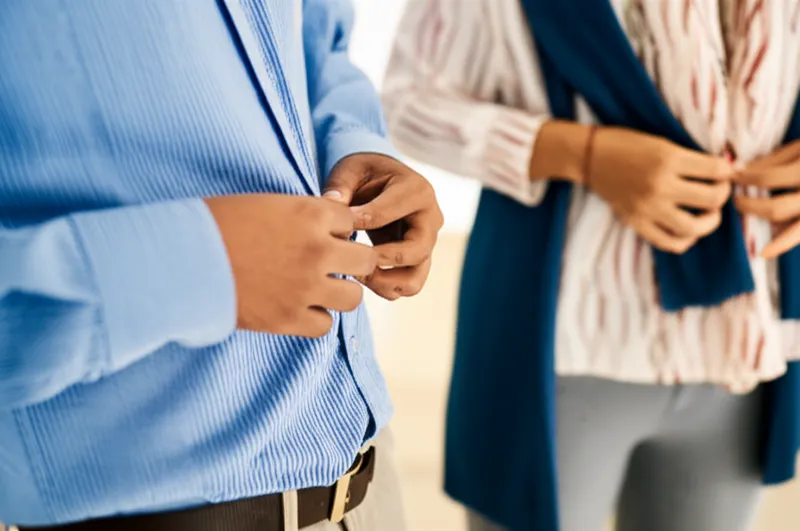
verb 다운로드 🔗공유 옷을 입히다, 옷을 입다 To adorn or cover with clothing; to dress; to supply clothes or clothing. Examples : "to feed and clothe a family; to clothe oneself extravagantly" 가족에게 먹을 것을 주고 옷을 입히다; 사치스럽게 옷을 입다. appearance wear essential AI와 채팅어휘 게임독해 연습
verb 다운로드 🔗공유 옷을 입히다, 덮다 To cover or invest, as if with a garment. Examples : "to clothe somebody with authority or power" 누군가에게 권위나 권력을 입히다. appearance style essential AI와 채팅어휘 게임독해 연습
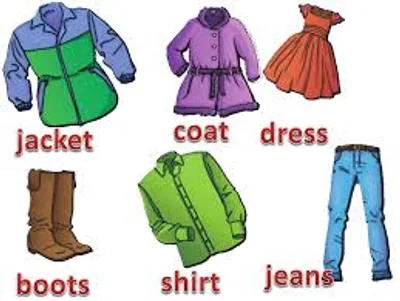
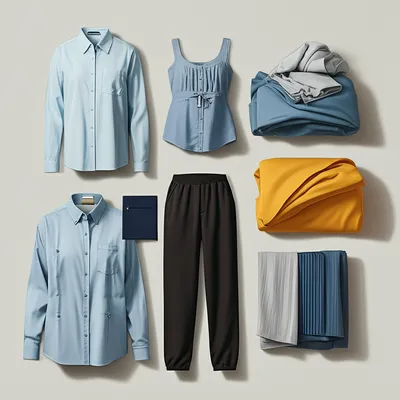
noun 다운로드 🔗공유 의류, 옷 Any of a wide variety of articles, usually made of fabrics, animal hair, animal skin, or some combination thereof, used to cover the human body for warmth, to preserve modesty, or for fashion. Examples : "My grandmother knitted warm clothing for the entire family during the winter. " 할머니는 겨울 동안 온 가족을 위해 따뜻한 옷을 뜨개질하셨다. appearance style wear item essential AI와 채팅어휘 게임독해 연습
noun 다운로드 🔗공유 옷을 입는 행위 An act or instance of putting clothes on. Examples : "The clothing and unclothing of the idols was of special significance." 우상에게 옷을 입히고 벗기는 행위는 특별한 의미를 지녔다. wear appearance style essential AI와 채팅어휘 게임독해 연습
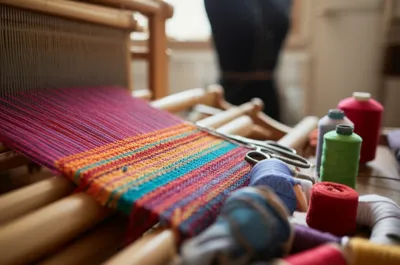
noun 다운로드 🔗공유 의류, 옷 The art or process of making cloth. Examples : "The clothing factory produced high-quality fabrics. " 의류 공장은 고품질 직물을 생산했습니다. material process art essential AI와 채팅어휘 게임독해 연습
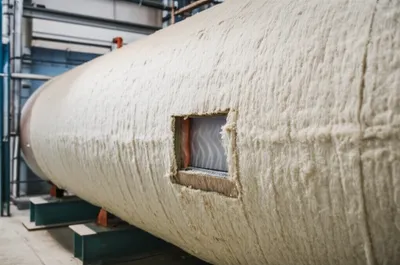
noun 다운로드 🔗공유 덮개, 피복 A covering of non-conducting material on the outside of a boiler, or steam chamber, to prevent radiation of heat. Examples : "The boiler's clothing prevented heat loss, keeping the workshop warm. " 보일러의 덮개는 열 손실을 막아 작업장을 따뜻하게 유지했다. material technical energy industry essential AI와 채팅어휘 게임독해 연습