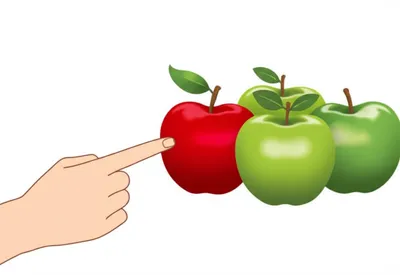


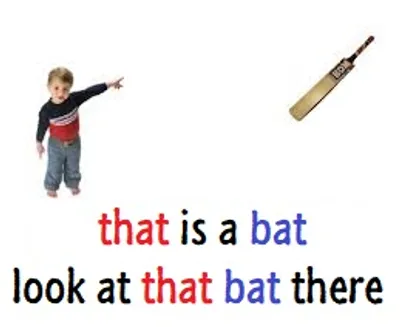









noun🔗Share그것, 저것Something being indicated that is there; one of those."My sister brought several books to the library, and that one is about dinosaurs. "내 여동생은 도서관에 책을 여러 권 가져왔는데, 저것은 공룡에 관한 책이다.thingitemessentialChat with AIVocabulary GamePractice Reading
adverb🔗Share그만큼, 그렇게(degree) To a given extent or degree.""The ribbon was that thin." "I disagree, I say it was not that thin, it was thicker... or maybe thinner...""“리본은 그만큼 얇았다.” “나는 동의하지 않아, 그렇게 얇지 않았다고 생각해, 더 두꺼웠어... 아니면 더 얇았을 수도 있고...”degreeamountessentialChat with AIVocabulary GamePractice Reading
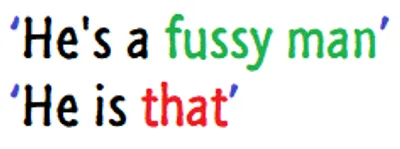
adverb🔗Share그렇게, 그렇게나(degree) To a great extent or degree; very, particularly (in negative constructions)."The student studied diligently, so that he understood the lesson very well. "그 학생은 열심히 공부해서 수업 내용을 아주 잘 이해했다.degreeamountlanguageessentialChat with AIVocabulary GamePractice Reading
adverb🔗Share그렇게, 그렇게나To such an extent; so. (in positive constructions)."Ooh, I was that happy I nearly kissed her."아, 나는 그녀에게 거의 키스할 정도로 그렇게 행복했어.languagegrammaressentialChat with AIVocabulary GamePractice Reading
pronoun🔗Share저, 그것(demonstrative) The thing, person, idea, quality, event, action or time indicated or understood from context, especially if more remote geographically, temporally or mentally than one designated as "this", or if expressing distinction."He went home, and after that I never saw him again."그는 집에 갔고, 그 후로 나는 그를 다시는 보지 못했다.grammarlanguagewordessentialChat with AIVocabulary GamePractice Reading
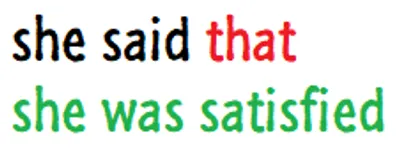
pronoun🔗Share그것, 저것The known (thing); used to refer to something just said."My teacher said that the test will be on Friday. "선생님은 시험이 금요일에 있을 거라고 말씀하셨다.languagegrammaressentialChat with AIVocabulary GamePractice Reading
pronoun🔗Share그것, 저것(demonstrative) The aforementioned quality or proposition; used to emphatically affirm or deny a previous statement or question."The water is so cold! — That it is."그렇습니다.grammarlanguagelinguisticsessentialChat with AIVocabulary GamePractice Reading
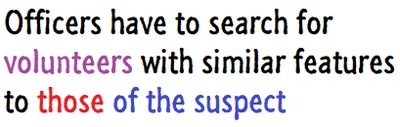
pronoun🔗Share그, 그것(relative) (plural that) Which, who; representing a subject, direct object, indirect object, or object of a preposition."The CPR course that she took really came in handy."그녀가 들었던 심폐소생술 강좌는 정말 유용했다.grammarlanguageessentialChat with AIVocabulary GamePractice Reading
pronoun🔗Share그, 그것Used in place of relative adverbs such as where or when; often omitted."the last time that [= when] I went to Europe"내가 유럽에 갔던 마지막 때grammarlanguagewordessentialChat with AIVocabulary GamePractice Reading
conjunction🔗Share그Introducing a clause which is the subject or object of a verb (such as one involving reported speech), or which is a complement to a previous statement."He told me that the book is a good read."그는 나에게 그 책이 읽을 만한 가치가 있다고 말했다.grammarlanguagecommunicationlinguisticsessentialChat with AIVocabulary GamePractice Reading
conjunction🔗Share왜냐하면, ~때문에Introducing a subordinate clause expressing a reason or cause: because, in that."Be glad that you have enough to eat."먹을 것이 충분해서 기뻐하세요.grammarlanguageessentialChat with AIVocabulary GamePractice Reading
conjunction🔗Share…하기 위해, …하도록Introducing a subordinate clause that expresses an aim, purpose or goal ("final"), and usually contains the auxiliaries may, might or should: so, so that."My parents are saving money now, so that they may buy a new car next year. "부모님은 내년에 새 차를 살 수 있도록 지금 돈을 모으고 있습니다.grammarlanguageessentialChat with AIVocabulary GamePractice Reading
conjunction🔗Share그Introducing — especially, but not exclusively, with an antecedent like so or such — a subordinate clause expressing a result, consequence or effect."The noise was so loud that she woke up."소리가 너무 커서 그녀는 잠에서 깼다.grammarlanguagelinguisticsessentialChat with AIVocabulary GamePractice Reading
conjunction🔗Share왜냐하면, ~라는 점에서Introducing a premise or supposition for consideration: seeing as; inasmuch as; given that; as would appear from the fact that."That the weather is sunny today, we should go for a walk in the park. "오늘 날씨가 맑으니 공원에서 산책을 가야 합니다.grammarlanguageessentialChat with AIVocabulary GamePractice Reading
conjunction🔗Share그Introducing a subordinate clause modifying an adverb."How often did she visit him? — Twice that I saw."그녀가 그를 얼마나 자주 방문했어? — 내가 본 것은 두 번이야.grammarlanguageessentialChat with AIVocabulary GamePractice Reading
conjunction🔗Share아, 그Introducing an exclamation expressing a desire or wish."Oh that spring would come!"아, 그 봄이 오면 좋겠다!languagegrammarlinguisticsexclamationessentialChat with AIVocabulary GamePractice Reading
conjunction🔗Share그Introducing an exclamation expressing a strong emotion such as sadness or surprise."My dog just ran away! That made me so sad. "내 강아지가 방금 도망갔어! 그게 날 너무 슬프게 만들었어.emotionlanguageexclamationessentialChat with AIVocabulary GamePractice Reading