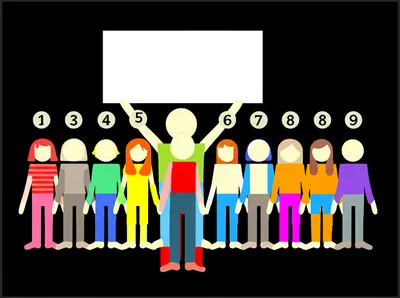
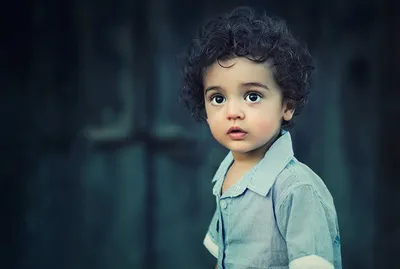
noun🔗Share아이, 어린이A person who has not yet reached adulthood, whether natural (puberty), cultural (initiation), or legal (majority)"Go easy on him: he is but a child."그를 너무 몰아세우지 마세요: 그는 아직 아이일 뿐입니다.agefamilypersonhumansocietyessentialChat with AIVocabulary GamePractice Reading
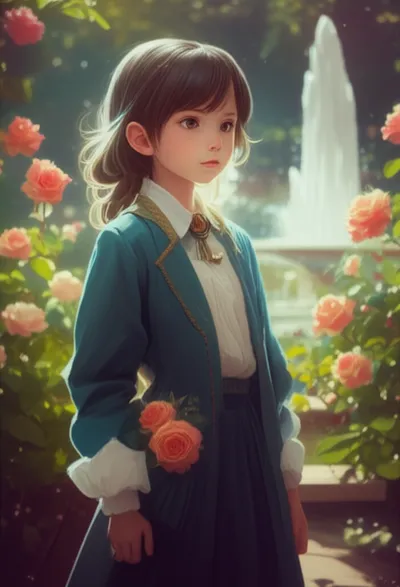
noun🔗Share여자아이, 소녀(specifically) A female child, a girl."My sister's child, a bright-eyed girl, loves to paint. "내 여동생의 여자아이, 눈이 초롱초롱한 소녀는 그림 그리는 것을 좋아한다.familyhumanpersonageessentialChat with AIVocabulary GamePractice Reading
noun🔗Share자녀, 후손(with possessive) One's direct descendant by birth, regardless of age; a son or daughter."My youngest child is forty-three this year."내 막내 자녀는 올해 마흔세 살이다.familyhumanpersonageessentialChat with AIVocabulary GamePractice Reading
noun🔗Share아이The thirteenth Lenormand card."The child card in my Lenormand deck represents a new beginning. "내 레노먼드 덱의 아이 카드는 새로운 시작을 나타냅니다.astrologysupernaturalessentialChat with AIVocabulary GamePractice Reading
noun🔗Share자식, 후손A figurative offspring, particularly:"The new project was a child of many long hours of hard work. "새 프로젝트는 오랜 시간의 노고의 자식이었다.familypersonhumanessentialChat with AIVocabulary GamePractice Reading
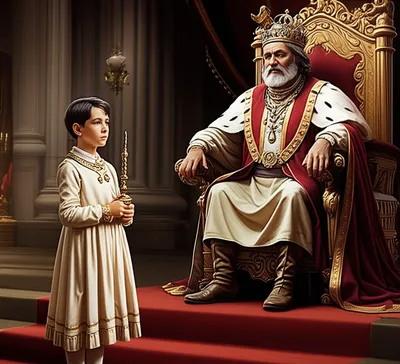
noun🔗Share귀족의 자녀A child of noble birth."The princess, a child of royalty, was educated at a special school for children of high birth. "왕족의 자녀인 공주는 고귀한 신분의 아이들을 위한 특별 학교에서 교육을 받았습니다.royalfamilypersonessentialChat with AIVocabulary GamePractice Reading
noun🔗Share장남The cognomen given to the oldest son prior to his taking his father's title."The child, the oldest son, was given the title of "Prince" before his father became king. "장남은 아버지께서 왕이 되시기 전에 "왕자"라는 칭호를 받았다.familytitleroyalhistoryessentialChat with AIVocabulary GamePractice Reading
verb🔗Share낳다, 출산하다To give birth; to beget or procreate."The farmer will child several calves this spring. "농부는 이번 봄에 송아지 여러 마리를 낳을 것이다.familysexhumanessentialChat with AIVocabulary GamePractice Reading