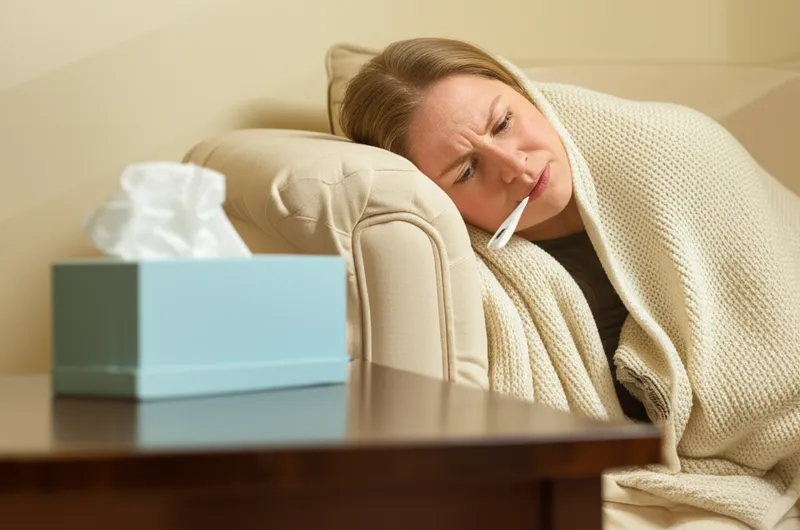
adjective 다운로드 🔗공유 허약한, 아픈 Weak, unwell. Examples : "After being sick with the flu, she felt very cranky and had to stay in bed. " 독감에 걸린 후, 그녀는 몸이 매우 허약해져서 침대에 누워 있어야 했다. medicine disease condition body AI와 채팅어휘 게임독해 연습
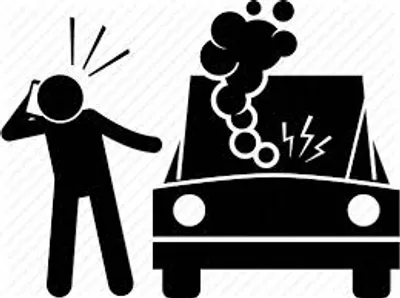
adjective 다운로드 🔗공유 고장난, 작동 불능의 (of a machine, etc.) Not in good working condition. Examples : "The old washing machine was cranky, so we had to call a repairman. " 오래된 세탁기가 고장나서 수리공을 불러야 했습니다. condition technical machine AI와 채팅어휘 게임독해 연습
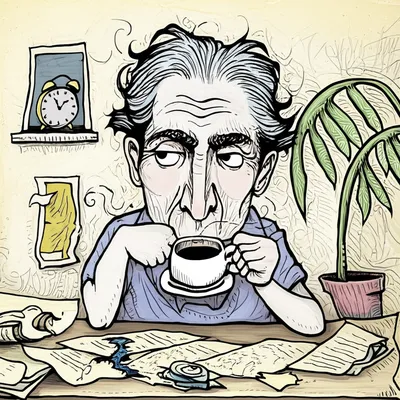
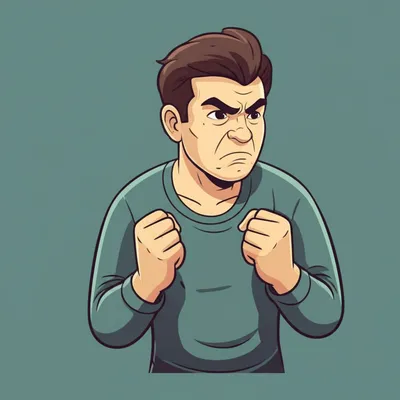
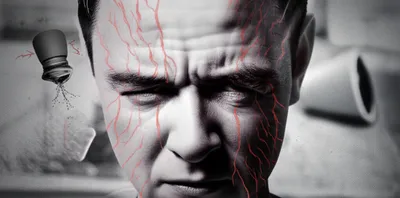
adjective 다운로드 🔗공유 까다로운, 심술궂은, 짜증내는 Grouchy, grumpy, irritable; easily upset. Examples : "He got home from a long day at work tired and cranky." 그는 긴 하루의 일과를 마치고 피곤하고 짜증이 난 채로 집에 왔다. character attitude emotion person AI와 채팅어휘 게임독해 연습
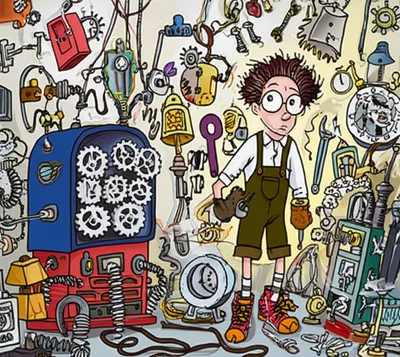
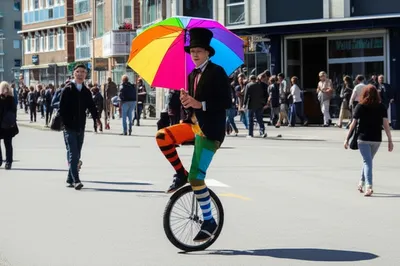
adjective 다운로드 🔗공유 괴팍한, 별난 Not in perfect mental working order; eccentric, peculiar. Examples : "My grandfather gets a bit cranky when he doesn't have his afternoon nap. " 할아버지는 낮잠을 안 주무시면 좀 괴팍해지세요. character mind attitude person AI와 채팅어휘 게임독해 연습
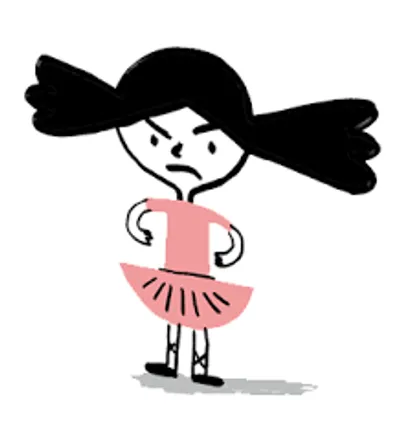
adjective 다운로드 🔗공유 짜증내는, 심술궂은 Full of spirit; spirited. Examples : "Even though she was only five, Lily had a cranky energy that made her the leader of all the games. " 비록 그녀는 겨우 다섯 살이었지만, 릴리는 모든 게임의 리더로 만드는 짜증내는 에너지를 가지고 있었다. character attitude AI와 채팅어휘 게임독해 연습