
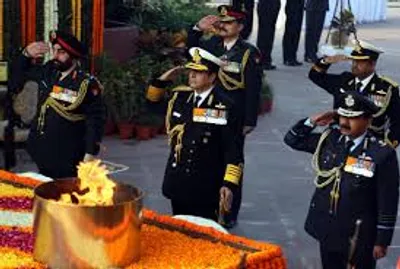

noun🔗Share존경, 경의A demonstration of respect, such as towards an individual after their retirement or death"The school held a special assembly as a homage to the retiring principal. "학교는 퇴임하는 교장에게 경의를 표하기 위해 특별 조회를 열었습니다.cultureritualtraditionsocietyvalueChat with AIVocabulary GamePractice Reading
noun🔗Share오마주, 헌사An artistic work imitating another in a flattering style. Recently, the pronunciation /oʊˈmɒːʒ/ has been introduced from French for this usage; see hommage, which preserves the French spelling."The student's painting was a beautiful homage to the famous artist Monet. "그 학생의 그림은 유명한 화가 모네에게 바치는 아름다운 오마주였다.artculturestyleliteraturelanguageChat with AIVocabulary GamePractice Reading
noun🔗Share경의, 존경In feudalism, the formal oath of a vassal to honor his or her lord's rights."The student offered a small homage to the teacher, promising to always respect her authority. "학생은 선생님에게 작은 경의를 표하며 항상 선생님의 권위를 존중하겠다고 약속했다.historypoliticsroyaltraditiongovernmentlawChat with AIVocabulary GamePractice Reading
verb🔗Share경의를 표하다To pay reverence to by external action."The student homagied her teacher by writing a heartfelt thank-you note for all her support. "그 학생은 선생님의 모든 지원에 대한 진심 어린 감사 편지를 써서 선생님께 경의를 표했다.cultureritualtraditionactionhistoryChat with AIVocabulary GamePractice Reading
verb🔗Share경의를 표하게 하다To cause to pay homage."The school principal's speech homagied the retiring teacher, recognizing her decades of dedicated service. "교장은 퇴임하는 선생님에게 경의를 표하며 수십 년간의 헌신적인 봉사를 기렸다.cultureritualtraditionsocietyreligionChat with AIVocabulary GamePractice Reading