


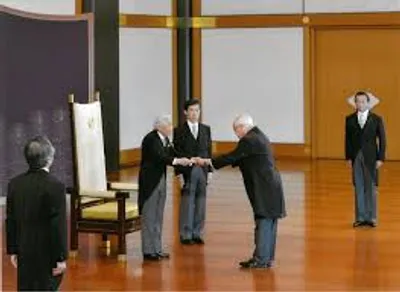



pronoun🔗Share그를Honorific alternative letter-case form of him, sometimes used when referring to God or another important figure who is understood from context."Reverence for Him, the school's founder, led to a special assembly. "학교 설립자인 그에 대한 존경심은 특별 회의로 이어졌다.religiontheologylanguagegrammaressentialChat with AIVocabulary GamePractice Reading
noun🔗Share그, 그를A male person."I think this bird is a him, but it may be a her."나는 이 새가 그라고 생각하지만, 그녀일 수도 있다.humanpersonessentialChat with AIVocabulary GamePractice Reading
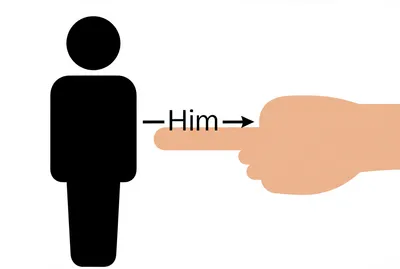
pronoun🔗Share그를A masculine pronoun; he as a grammatical object."The teacher gave him a good grade on his history report. "선생님은 그에게 역사 보고서에서 좋은 점수를 주었다.grammarlanguagewordlinguisticspersonessentialChat with AIVocabulary GamePractice Reading
pronoun🔗Share그 자신Used reflexively: (to) himself."He hurt himself; he fell and scraped his knee. "그는 스스로를 다치게 했다. 그는 넘어졌고 무릎을 긁혔다.grammarlanguageessentialChat with AIVocabulary GamePractice Reading
pronoun🔗Share그를With nominative effect: he, especially as a predicate after be, or following a preposition."The student, who was very quiet, is him. "매우 조용했던 학생은 그이다.grammarlanguageessentialChat with AIVocabulary GamePractice Reading